Metal wall angle is a practical solution for clean edge protection in construction, fabrication, and interior finishing.
It helps create straighter corners, reduce edge damage, and improve durability during daily use.
When steel performance matters, the right metal wall angle supports safer installation, better appearance, and stronger long-term value.
This guide answers common questions about metal wall angle, including uses, selection points, installation risks, and cost considerations.
What is metal wall angle and why is it widely used?
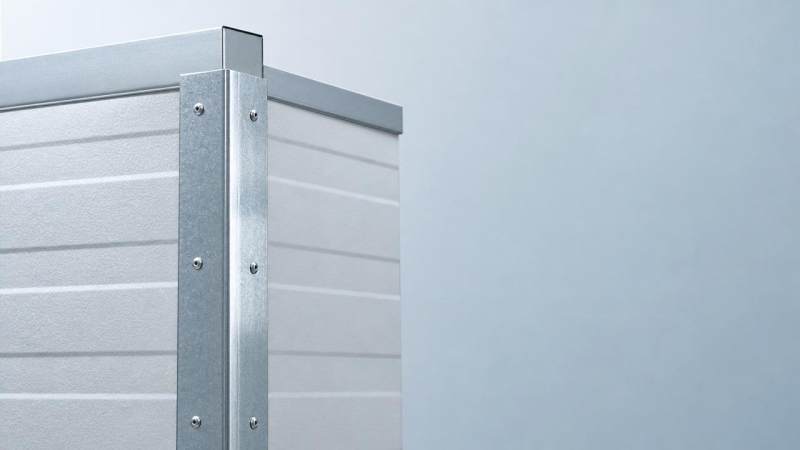
A metal wall angle is an angled steel section used to protect, support, or finish exposed edges.
It is common in wall corners, panel terminations, frame edges, and transition points between surfaces.
The main purpose of metal wall angle is simple.
It keeps edges clean, resists impact, and helps maintain alignment over time.
In steel-related projects, it also improves structural neatness and supports accurate assembly.
Compared with unprotected edges, metal wall angle reduces chipping, bending, and visual wear.
It is especially useful where traffic, handling, or repeated maintenance may damage corners.
Because steel products vary by environment, buyers should check thickness, coating, and standard compliance before selection.
Reliable suppliers often provide products meeting ASTM, EN, JIS, or GB requirements for consistent quality control.
Where does metal wall angle work best?
Metal wall angle performs best in places that need edge definition, reinforcement, and a clean finished look.
Typical applications include commercial buildings, industrial walls, workshops, warehouses, and prefabricated steel systems.
Common application areas
- External wall corners exposed to carts, tools, or mechanical contact
- Interior finishing lines where straight visual edges are required
- Steel structure framing around wall panels and cladding systems
- Support edges for light industrial partitions and equipment zones
- Moisture-prone spaces using galvanized or coated steel components
In broader structural systems, edge protection may also connect with supporting members and secondary framing.
For example, lightweight roof and wall assemblies sometimes use related profiles such as Z-beam.
That profile is used in purlins, wall beams, brackets, and light manufacturing structures.
Available grades may include Q235B, Q345B, SS400, S355, A36, and A572.
Typical thickness is 6-25mm, with lengths from 2~12m or customized, and tolerance around ±1%.
This matters because metal wall angle often performs better when the surrounding steel system is equally precise and durable.
How do you choose the right metal wall angle?
Choosing metal wall angle starts with the actual service condition, not only the appearance.
A clean edge in a dry office needs different protection than a warehouse corner or outdoor wall junction.
Key selection factors
- Material grade and strength requirement
- Corrosion resistance for indoor, humid, or exterior use
- Thickness based on expected impact level
- Edge type, finish quality, and dimensional accuracy
- Compatibility with surrounding wall panels or framing systems
If the location faces moisture, galvanized metal wall angle is usually a safer option.
If appearance matters most, surface consistency and straightness become more important.
For heavier-duty zones, thicker steel may reduce deformation during service.
Quality documentation also matters.
Products supported by CE, SGS, BV, or ISO records generally offer stronger traceability.
When projects involve custom framing, related profiles with perforated, galvanized coated, mill edge, or slit edge options may improve installation flexibility.
What mistakes cause poor metal wall angle performance?
Many edge failures come from selection or installation mistakes rather than from the steel itself.
The most common problem is using metal wall angle that is too thin for the real impact load.
Another issue is ignoring corrosion risk in wet or semi-outdoor spaces.
Poor alignment is also common.
Even a strong metal wall angle can look unprofessional if installed on an uneven substrate.
Frequent mistakes to avoid
- Choosing by price only
- Ignoring coating needs in corrosive environments
- Using inaccurate dimensions for panel junctions
- Skipping checks for burrs, bends, or poor finish
- Installing without proper fastener spacing or edge support
A related risk is mismatch between edge components and the main structural steel system.
If surrounding members lack dimensional stability, the finished edge can shift over time.
That is why sourcing from experienced structural steel suppliers helps reduce fit-up problems and rework.
How does metal wall angle compare with other edge solutions?
Not every project needs the same type of edge protection.
Metal wall angle is often compared with plastic trims, aluminum profiles, and unfinished corners.
Steel angle usually offers better strength and impact resistance than light plastic trims.
It also performs well in industrial settings where repeated contact is expected.
Compared with aluminum, steel may provide higher load tolerance and lower material cost in many structural applications.
However, aluminum may be preferred where lower weight is critical.
What should you consider for cost, lead time, and long-term value?
The cheapest metal wall angle is not always the most economical choice.
A low-cost part may create extra labor, replacement, and maintenance costs later.
Long-term value comes from stable dimensions, suitable coating, and dependable supply.
Lead time also matters when edge components must match prefabricated wall or steel systems.
A supplier with steady production capacity helps avoid schedule gaps and inconsistent batches.
For related structural applications, custom steel profiles such as the secondarily supported Z-shaped member may be supplied in zinc or silver finishes.
Processing may follow GB50018-2002, with ancillary products available for roof and wall systems.
That kind of integrated supply can simplify procurement across steel structure projects.
Quick FAQ reference table
Metal wall angle remains one of the most effective choices for clean edge protection in steel-related construction.
It improves durability, supports neat finishes, and helps reduce avoidable damage over the service life of a project.
The best results come from selecting the right grade, finish, thickness, and supplier support.
For projects needing reliable structural steel products, custom profiles, and stable export supply, it is worth comparing technical details before ordering.
A well-matched metal wall angle can deliver better installation efficiency, stronger protection, and a cleaner final appearance.
Please give us a message


Please enter what you want to find