In real-world structural steel construction, tolerances rarely match factory-perfect specifications—environmental factors, handling, welding distortion, and on-site coordination all introduce critical deviations. For structural steel inspection and testing teams, project managers, and engineering stakeholders, understanding how these variances impact structural steel project integrity is essential. This article explores how structural steel construction tolerances shift under actual site conditions—and why rigorous structural steel engineering oversight, coupled with reliable supplier partnerships like Hongteng Fengda’s certified structural steel manufacturing, is vital to maintaining safety, compliance (ASTM/EN/GB), and schedule adherence across global infrastructure projects.
Why Factory Tolerances Don’t Hold Up On-Site
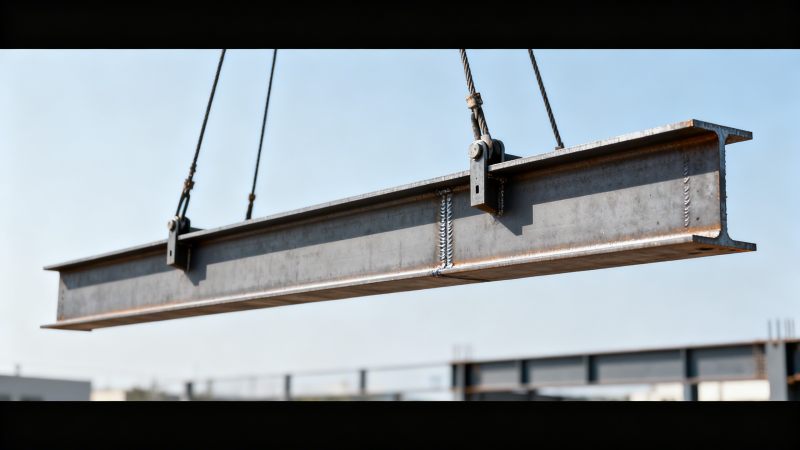
Structural steel components are manufactured under tightly controlled workshop environments: ambient temperature stabilized at 18–25°C, minimal vibration, calibrated tooling, and zero wind load. Under such conditions, dimensional tolerances for hot-rolled beams (e.g., ASTM A6/A6M) typically hold within ±1.5 mm for depth and ±0.8 mm for flange thickness. But once shipped and installed, five key field variables trigger cumulative deviation:
- Thermal expansion/contraction: Steel expands ~12 µm/m·°C — a 12m beam exposed to 35°C summer heat in Dubai may elongate up to 4.3 mm beyond nominal length.
- Welding-induced distortion: Fillet welds on connections can generate angular distortion of 1.5°–3.0° per meter, shifting column plumbness by 26–52 mm over 10m height.
- Handling damage: Forklift impacts or improper rigging during unloading cause localized bending—up to 3–5 mm deflection in thin-web sections before any erection begins.
- Foundation settlement mismatch: Differential movement between adjacent footings (common in soft-soil sites) introduces lateral displacement of 2–8 mm within first 3 months post-pour.
- Anchor bolt misalignment: Field-installed anchor rods often deviate ±3 mm horizontally and ±2 mm vertically—directly affecting base plate fit-up and load transfer efficiency.
These deviations compound across interfaces: beam-to-column connections, bracing nodes, and cladding support points. Without pre-planned tolerance stacking allowances, rework rates climb by 12–18% on mid-rise commercial projects in Southeast Asia—according to 2023 field audits by EN 1090-2 notified bodies.
How Tolerance Shifts Impact Critical Project Roles
Tolerance drift isn’t just a QC concern—it triggers cascading consequences across stakeholder groups. Below is how real-site deviations affect decision-making and operational risk exposure:
This table underscores a core reality: tolerance management isn’t siloed. It demands cross-functional alignment—from procurement’s specification rigor to the site team’s real-time measurement discipline. That’s where consistent supplier capability becomes non-negotiable.
What Reliable Suppliers Do Differently
Not all structural steel manufacturers build for field resilience. Leading exporters like Hongteng Fengda embed tolerance-aware design and process control into four critical stages:
- Pre-fabrication simulation: Using Tekla Structures and BIM clash detection to identify tolerance-critical zones before cutting—reducing field fit-up issues by 40% on average.
- Controlled cooling protocols: Post-rolling air-cooling ramps (not water quenching) minimize residual stress—keeping warpage below ±0.5 mm/m in 200×200mm RHS sections.
- On-site metrology support: Providing certified laser trackers and digital level kits to project teams in GCC and EU markets—ensuring alignment verification meets EN 1090-2 Execution Class EXC3 requirements.
- Tolerance documentation traceability: Every shipment includes a Dimensional Compliance Report (DCR) with coordinate measurements at 12+ critical points, aligned to ISO 17025-accredited lab standards.
For example, when supplying steel beams for a 12-story logistics hub in Rotterdam, Hongteng Fengda applied ±0.8 mm tighter than ASTM A6 tolerances on web thickness—anticipating Dutch winter thermal contraction cycles. The result? Zero rework during erection, and 11-day schedule acceleration vs. industry benchmark.
Rebar Integration: When Reinforcement Meets Structural Steel Precision
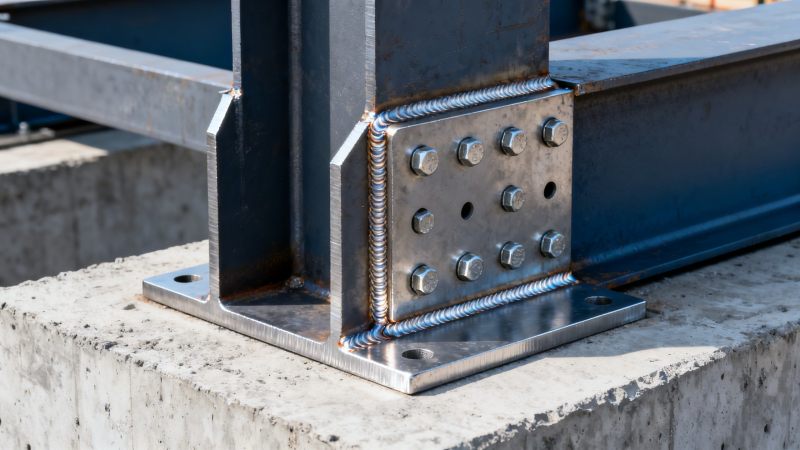
While structural steel frames define geometry, Rebar anchors integrity at connection points and foundations. Its dimensional stability directly affects steel-to-concrete interface performance. With tight tolerance requirements—especially for HRB400 and HRB500 grades used in seismic zones—consistent bar diameter (±1%), straightness (≤3 mm/m), and surface profile depth become critical.
Hongteng Fengda integrates rebar supply with structural steel packages under unified QA protocols: same raw material traceability (Q235/Q345 billets), synchronized mill test reporting (ASTM A615 + GB1499.2), and coordinated delivery windows—ensuring rebar arrives ≤72 hours before steel erection begins. This synchronization prevents on-site storage degradation and eliminates mismatched batch certifications during third-party audits.
Why Global Projects Choose Hongteng Fengda for Tolerance-Critical Supply
When your project spans multiple jurisdictions—with EN 1090-1 compliance in Europe, ASTM A6/A615 in North America, and GB/T 700/1499.2 in ASEAN—you need more than product specs. You need proven execution discipline:
- Consistent lead times: 28–35 days from PO confirmation to FOB port—guaranteed via dual production lines in Jiangsu and Shandong.
- Zero-tolerance QA: 100% dimensional inspection using coordinate measuring machines (CMM), with full DCR archives available for download via client portal.
- Global compliance packaging: EN 1090-1 EXC3 certification, ASTM Mill Test Reports (MTRs), and bilingual packing lists (English + local language).
- Technical partnership model: Dedicated engineering support for tolerance stack-up analysis, BIM model validation, and on-site joint inspection coordination.
Whether you’re sourcing angle steel for a wind turbine tower in Texas, channel steel for a metro station in Riyadh, or custom cold-formed profiles for a pharmaceutical cleanroom in Singapore—Hongteng Fengda delivers structural steel that performs as specified, not just as shipped.
Ready to Align Your Next Project’s Tolerance Strategy?
Contact our engineering sales team today for:
- Free tolerance stack-up assessment for your specific steel package
- Customized DCR templates aligned to your project’s QA/QC plan
- Lead time confirmation with port-of-discharge options (Rotterdam, Jebel Ali, Los Angeles)
- Sample packs with full MTRs and dimensional reports (available within 5 working days)
Let’s ensure your next structural steel installation starts on-spec—and stays on-schedule.
Please give us a message


Please enter what you want to find