Choosing the right 304 pipe surface finish affects corrosion resistance, cleanability, appearance, and total project cost. For buyers comparing ASTM stainless steel options or checking stainless steel square tube prices and ss square tube price trends, understanding where each finish performs best is essential. This guide explains common 304 pipe finishes and their ideal applications to help engineers, purchasers, and project teams make practical, cost-effective decisions.
In steel procurement and fabrication, surface finish is often treated as a secondary detail, yet it directly influences service life, inspection results, and downstream processing. For 304 stainless steel pipe used in construction, fabrication, food contact systems, decorative works, and industrial support structures, the wrong finish can increase cleaning time, show scratches early, or add unnecessary cost by 10% to 30% compared with a more suitable option.
For project managers, technical evaluators, and purchasing teams, the best choice is rarely the most polished surface. It is the finish that matches the application environment, maintenance frequency, fabrication route, and end-user expectations. Suppliers with experience in ASTM, EN, JIS, and GB standards can help align finish selection with broader steel package requirements, especially when a project includes structural steel members, formed profiles, and stainless components in the same delivery plan.
Why 304 Pipe Surface Finish Matters in Real Projects
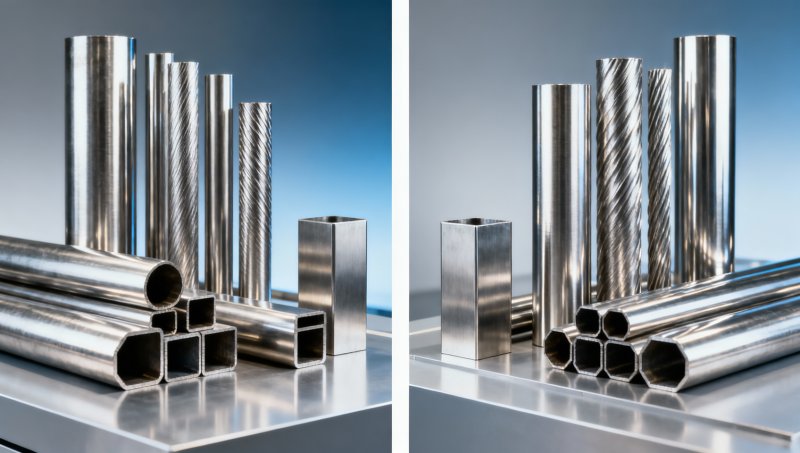
304 stainless steel is widely selected because it offers a practical balance of corrosion resistance, formability, weldability, and availability. However, the base alloy alone does not determine field performance. Surface finish changes how the pipe resists dirt retention, how quickly it can be sanitized, how visible weld heat tint appears, and how the finished installation is judged by clients, inspectors, or end users.
In indoor architectural and light industrial environments, a standard mill finish may be fully acceptable for 5 to 15 years of service if the pipe is not exposed to chlorides or repeated manual contact. In food processing, pharmaceutical support frames, or visible commercial interiors, finish choice becomes more critical because rougher surfaces may trap residue, while highly reflective finishes can reveal dents, fingerprints, or fabrication marks more easily.
Another major factor is total installed cost. A lower-cost finish can still become the more expensive option if the buyer later pays for additional polishing, on-site rework, stricter cleaning procedures, or more frequent replacement. For export projects spanning North America, Europe, the Middle East, and Southeast Asia, decision makers often compare 3 variables at the same time: material grade, finish quality, and delivery consistency.
The table below shows how finish selection affects key project outcomes across typical evaluation points used by engineering, procurement, and quality teams.
The key takeaway is simple: finish must be selected according to operating conditions and visual expectations, not just unit price. That approach reduces sourcing risk, especially for buyers who need dependable quality across mixed steel product categories and multiple shipment batches.
Common 304 Pipe Surface Finishes and Their Best Uses
Although naming conventions vary by market and mill, buyers most commonly encounter finishes such as No.1, 2B, No.4, HL, BA, and polished mirror-type surfaces. Each finish serves a different purpose. A finish that works well for concealed support piping may be a poor choice for handrails, kitchen equipment frames, or cleanroom utility systems.
No.1 Finish
No.1 is a rough, hot-rolled and annealed finish, generally used where appearance is not the priority. It is common in industrial applications, high-temperature service components, and parts that will undergo further processing. It is not usually the preferred finish for visible decorative pipe because the surface is darker and less uniform.
2B Finish
2B is one of the most practical and widely available finishes for 304 stainless pipe and tube. It is cold rolled, annealed, pickled, and skin passed, giving a smooth and moderately reflective surface. This finish is often chosen for general fabrication, light industrial systems, tanks, utility lines, and projects where function matters more than decorative appearance.
No.4 and Hairline Finishes
No.4 is a brushed finish with fine parallel lines, while HL, or hairline, offers a longer and more directional grain. These are common for architectural pipe, elevator trim, handrails, commercial kitchens, and visible retail or office fittings. They balance aesthetics with reasonable maintenance and often hide minor surface wear better than mirror-polished surfaces.
BA and Mirror-Like Finishes
Bright annealed, or BA, produces a smoother and brighter surface than 2B. Mirror-type finishes go even further through mechanical polishing. These options work well for decorative interiors, premium fixtures, and certain sanitary applications, but buyers should confirm whether the required reflectivity, roughness level, or protective film is included in the supply scope.
The comparison below helps match each finish to typical project priorities and operating environments.
For most B2B buyers, 2B and No.4 represent the most common decision point. One focuses on value and fabrication practicality, while the other supports exposed use with stronger visual consistency. The right answer depends on whether the pipe will be seen daily, cleaned often, or welded and modified on site.
How to Select the Right Finish by Environment, Fabrication, and Budget
A reliable selection process starts with 4 questions: Where will the pipe operate? How often will it be cleaned? Will it be visible to end users? Will it be cut, bent, or welded after delivery? These questions usually narrow the finish choice faster than comparing polished samples alone.
For interior dry spaces such as equipment supports, furniture frames, or non-decorative utility assemblies, 2B often offers the best value. For public-facing installations such as mall railings, escalator trims, and hospitality features, No.4 or HL is often preferred because it presents a more intentional appearance and manages visual wear better over 3 to 5 years of daily contact.
In food and beverage support applications, buyers should assess not only grade but also surface smoothness, weld finishing requirements, and cleaning chemicals. Even with 304 stainless steel, chloride exposure or aggressive detergents can shorten aesthetic life. In coastal zones or heavy chloride environments, many engineers will evaluate whether 316 is more appropriate despite higher material cost.
When projects combine stainless pipe with other steel items, procurement efficiency also matters. A supplier handling structural steel bars, channels, beams, and custom steel profiles can help consolidate technical review and shipment planning. For reinforced concrete packages, buyers may also source Rebar alongside stainless components, especially when the project includes foundations, support structures, or industrial building frames under ASTM, GB, EN, DIN, or JIS based requirements.
A Practical 5-Step Selection Checklist
- Define exposure: indoor dry, outdoor urban, washdown, chemical contact, or coastal.
- Define appearance level: concealed, semi-visible, or fully decorative.
- Check fabrication route: welding, bending, cutting, polishing, or passivation after installation.
- Set inspection criteria: grain consistency, reflectivity, scratch acceptance, packaging condition.
- Compare life-cycle cost, not only the ex-works unit price.
Budget and supply planning notes
Lead times vary by finish and order complexity. Commodity 2B material may move within 2 to 4 weeks, while customized brushed or mirror-finish pipe can require additional polishing, film application, and inspection time. For OEM or mixed steel procurement, accurate finish confirmation at the quotation stage reduces delays caused by sample mismatch or packaging changes.
Inspection Points, Common Mistakes, and Quality Control for 304 Finish Orders
Quality issues in stainless pipe orders often come from unclear finish definitions rather than material defects. A buyer may request “polished pipe” while the supplier interprets that as a general bright surface instead of a directional No.4 finish or a mirror-grade polish. This creates avoidable disputes over gloss, grain pattern, and acceptable surface marks.
At minimum, technical and quality teams should confirm 6 checkpoints before production or shipment: grade, dimensions, finish name, surface protection method, weld condition, and inspection standard. If the pipe is for visible use, sample approval is strongly recommended. A 200 mm to 300 mm physical sample can prevent problems that are hard to judge from photos alone.
Packaging also matters. Mirror and BA surfaces are more vulnerable during handling, stacking, and sea transport. Protective film, sleeve separation, and dry container control can reduce claims. For long export routes of 20 to 40 days, the gap between average packaging and proper packaging becomes very visible when the cargo reaches site.
The table below summarizes common finish-related risks and practical control measures used in steel export projects.
These controls are especially useful for distributors, resellers, and EPC teams that handle repeat orders across multiple destinations. Standardized finish communication lowers claim rates and supports more predictable purchasing decisions.
FAQ and Final Buying Advice for Engineers and Procurement Teams
304 stainless pipe remains a strong option for many construction, industrial, and manufacturing uses, but finish selection should always reflect the real jobsite environment. The questions below address common concerns raised by buyers comparing stainless tubing, architectural pipe, and broader steel package sourcing.
Which finish is most cost-effective for general projects?
For many indoor and light industrial applications, 2B is the most cost-effective choice because it combines acceptable appearance, good cleanability, and stable supply. If the pipe will not be a visual focal point, paying extra for No.4 or mirror polish may not improve project value.
Is mirror finish always better than brushed finish?
No. Mirror finish can create a premium appearance, but it shows fingerprints, dents, and handling marks more quickly. For railings, public contact zones, and large visible runs, a brushed No.4 or HL finish often delivers a more durable visual result over time.
What should buyers request in a quotation?
Request the grade, standard, pipe size, wall thickness, finish code, protective film details, inspection method, and packing method. If appearance is critical, ask for finish photos and a sample. For export orders, also confirm lead time, container loading method, and claim handling procedure before payment approval.
How does finish selection connect with broader steel sourcing?
Many industrial and building projects combine stainless components with carbon steel structures, formed sections, and reinforcement materials. Working with an experienced Chinese structural steel manufacturer and exporter can simplify coordination across standards, documentation, production timing, and shipment planning, especially for buyers managing multi-item procurement under one project schedule.
The best 304 pipe surface finish is the one that fits the operating environment, the cleaning requirement, the visual target, and the total budget. A clear finish specification reduces rework, improves delivered quality, and helps every stakeholder—from users and QC teams to finance approvers and decision makers—make a more defensible choice. If you need support with stainless pipe selection, structural steel supply, or a mixed-material sourcing plan, contact Hongteng Fengda to get tailored product details, practical finish recommendations, and a customized solution for your project.
Please give us a message


Please enter what you want to find