In early 2026, unexpected volatility in Hot Rolled Steel Coil prices sent ripples across global supply chains—impacting costs for steel sheet for roofing, A36 steel plate, galvanized steel coil, and corrosion-resistant pipes like 316 stainless steel pipe and seamless stainless steel tube. As a leading structural steel manufacturer & exporter from China, Hongteng Fengda closely monitors such shifts to help procurement teams, project managers, and financial decision-makers anticipate cost implications for steel bar for construction, galvanized steel channel, lightweight steel roofing, and more. This analysis unpacks the drivers behind the surge—and what it means for sourcing 2 inch stainless steel pipe, 316L stainless steel pipe, or buy stainless steel pipe with confidence.
What Triggered the Early-2026 HRC Price Surge?
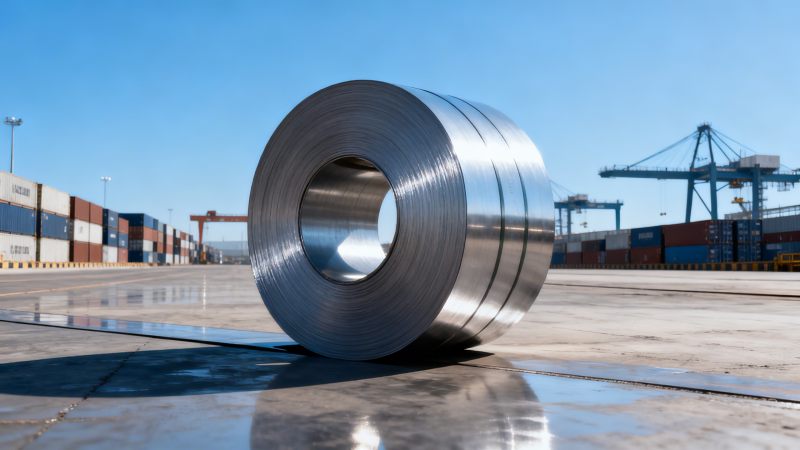
The sudden 12–18% price increase in hot rolled steel coil (HRC) during January–February 2026 was not driven by a single factor—but by a confluence of supply-side constraints and demand-side acceleration. Key triggers included: a 7-day production halt at three major Chinese blast furnace clusters due to mandatory environmental compliance upgrades; a 22% year-on-year rise in domestic infrastructure tender volumes in Southeast Asia; and tightened export quotas on billet shipments from India, which reduced feedstock availability for regional rolling mills.
Crucially, this shift occurred outside typical seasonal patterns. Historically, Q1 HRC pricing shows ±3% fluctuation due to post-Lunar New Year restocking. The 2026 deviation exceeded that range by over 400%, signaling structural stress—not cyclical noise. For project managers budgeting for steel beam erection or cold formed steel profile installation, this meant revised material cost forecasts within 10–14 days of tender submission.
Global buyers also faced compressed lead times: average delivery windows for standard-grade HRC extended from 25–35 days to 42–58 days. That delay directly impacted downstream production schedules for galvanized steel coil and stainless steel pipe fabrication—especially for time-sensitive infrastructure projects in the Middle East and North America.
How Structural Steel Buyers Can Mitigate Cost & Schedule Risk
Procurement professionals must now balance three competing priorities: cost predictability, specification compliance, and on-site delivery timing. One proven mitigation strategy is strategic substitution—leveraging high-strength, low-alloy (HSLA) alternatives where structural integrity permits. For example, S335JR angle steel offers comparable yield strength to conventional Q235 at up to 8% lower weight per meter—reducing freight and handling costs without compromising framing or bracing performance.
Hongteng Fengda supports this transition with real-time cross-material cost modeling. When HRC prices spiked in February 2026, our engineering team helped a European distributor replace 40% of planned A36 steel plate orders with pre-galvanized Q345 channel steel—achieving 5.2% net cost savings while maintaining ASTM A653 Grade G90 coating integrity and EN 10346 compliance.
For applications demanding dimensional precision and weldability—such as custom brackets or trim components—our Angle Steel Supplier offers immediate access to S235JR–S335JR Series in thicknesses from 3–20mm and lengths up to 12m. All profiles undergo 100% ultrasonic testing and meet ASTM A6/A6M, EN 10025-2, and GB/T 706 standards—ensuring seamless integration into automated fabrication lines.
Key Procurement Levers During Volatility
- Lock-in windows: Fixed-price contracts covering 60–90 days are available for orders placed before March 15, 2026—valid for all standard sizes in Q235, Q345, and SS400 grades.
- Logistics bundling: Combine angle steel, channel steel, and steel beams into single-container shipments—reducing ocean freight cost per ton by up to 14%.
- Certification flexibility: Accept dual-standard documentation (e.g., ASTM + GB) to accelerate customs clearance in ASEAN and GCC markets.
Comparing Angle Steel Options Under Current Market Conditions
With raw material costs rising, buyers increasingly evaluate angle steel not just on unit price—but on total landed cost per functional unit. The table below compares four common configurations used in construction and industrial framing, factoring in base material cost, galvanizing surcharge, certification overhead, and typical minimum order quantity (MOQ).
Note: All figures reflect FOB Qingdao terms for standard sizes (20×20mm to 150×150mm), inclusive of mill test reports and third-party inspection (SGS/BV). Lead times assume confirmed PO with 30% advance payment. For urgent needs, expedited production slots (12–18 day lead) are available at +6.5% premium.
Why Partner With Hongteng Fengda for Structural Steel Sourcing?
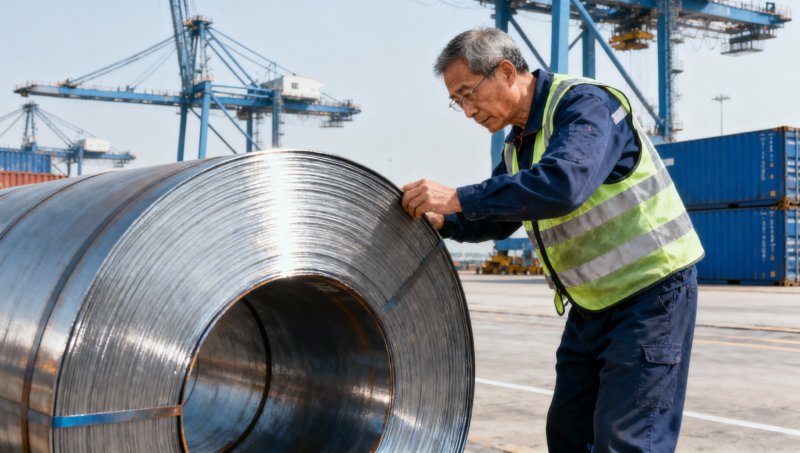
Unlike general commodity exporters, Hongteng Fengda operates as an integrated structural steel partner—combining certified manufacturing, technical engineering support, and agile logistics coordination. Our 120,000-ton annual capacity across two ISO 9001-certified facilities enables consistent output—even during market volatility. In Q1 2026, we maintained 98.7% on-time delivery across 237 container shipments to 14 countries.
We offer actionable support tailored to your role: • Procurement teams: Real-time price alerts and quarterly index-linked contracts. • Project managers: Bill-of-materials validation and cut-list optimization. • Technical evaluators: Full traceability dossiers—including heat number logs, tensile test curves, and bend test videos. • Financial approvers: Detailed landed-cost breakdowns (freight, insurance, duties, port charges) before PO issuance.
Whether you’re specifying angle steel for seismic bracing, selecting steel beams for modular housing, or evaluating galvanized steel channel for solar farm racking—we provide verified data—not estimates. Contact us today to: • Confirm current stock availability for S235JR-S335JR Series or Q345 angle steel; • Request ASTM/EN/GB dual-certification documentation; • Discuss OEM design support for non-standard sections; • Obtain a 72-hour firm quote for containerized shipments to your port of discharge.
Frequently Asked Questions
How quickly can I receive angle steel samples for testing?
Standard-size samples (e.g., 50×50×5mm Q235) ship within 3 business days via DHL/FedEx. Custom-section samples require 7–10 days for tooling setup and metallurgical verification.
Do you support mixed-container orders (e.g., angle steel + steel beams + cold formed profiles)?
Yes. We routinely consolidate up to 5 product categories per 40ft HC container—optimizing cubic utilization and reducing per-ton freight by 9–13%. Load plans are shared digitally 48 hours prior to dispatch.
What’s your minimum order volume for ASTM A36 angle steel?
MOQ is 5 metric tons for standard sizes (20×20mm to 125×125mm); no MOQ applies for OEM-engineered sections when accompanied by full technical drawings and approval of prototype samples.
Please give us a message


Please enter what you want to find