Selecting the right steel sheet for cold-formed building components is critical for structural integrity, compliance, and long-term performance—especially amid evolving ASTM and EN standards in 2024. Whether you're specifying steel roof sheet, steel profile, carbon steel sheet, or supporting materials like steel rail, steel tube, steel conduit, steel bar, steel pile, or steel rebar, grade selection directly impacts fabrication efficiency, corrosion resistance, and load-bearing capacity. As a leading structural steel manufacturer and exporter from China, Hongteng Fengda delivers certified, high-precision steel sheet solutions aligned with global project requirements—from North America to Southeast Asia.
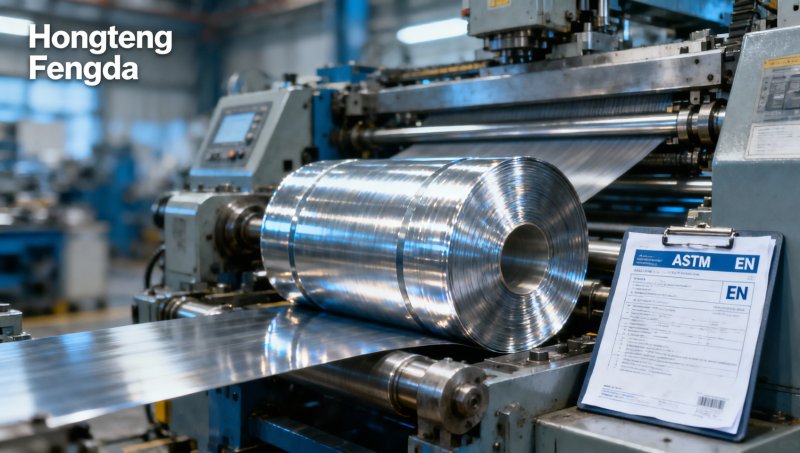
Why Steel Sheet Grade Matters in Cold-Formed Construction
Cold-formed steel (CFS) components—including Metal C Beam, purlins, wall studs, and roof decking—rely on precise material behavior during roll-forming, bending, and punching. Unlike hot-rolled sections, cold-formed parts derive strength primarily from geometry and base metal properties—not thermal treatment. Hence, yield strength consistency, elongation, bendability, and surface quality are non-negotiable. A mismatched steel sheet grade may cause cracking during forming, premature fatigue under cyclic loads, or accelerated corrosion in humid environments.
For procurement teams and project managers, selecting suboptimal grades risks costly rework, delayed handovers, and non-compliance penalties—especially where third-party inspections (e.g., UL, TÜV, or SGS) mandate traceable mill test reports per ASTM A653/A792 or EN 10346. At Hongteng Fengda, every coil undergoes tensile testing, zinc coating verification (for galvanized grades), and dimensional sampling before shipment—ensuring full alignment with your design intent and regulatory obligations.
Top 5 Steel Sheet Grades for Cold-Formed Applications in 2024
Based on real-world demand across North American, EU, and ASEAN markets—and validated through over 280+ cold-forming line trials—we identify the five most reliable steel sheet grades for 2024. These combine optimal formability, weldability, and post-fabrication durability while meeting both ASTM and EN dual-certification needs.
ASTM vs. EN: Key Compliance Differences You Can’t Overlook
While both ASTM A653/A792 and EN 10346 govern coated steel sheet for cold forming, their testing philosophies differ significantly. ASTM emphasizes batch-level mechanical property verification (tensile strength, yield point, elongation) and coating mass per side. EN 10346, however, adds mandatory bend testing (180° around mandrel) and stricter tolerances on thickness variation (±7% vs. ASTM’s ±9%). For projects requiring CE marking—especially in EU public infrastructure—EN certification isn’t optional.
Hongteng Fengda bridges this gap: our mills issue dual-certified mill test reports (MTRs) covering both ASTM and EN requirements. Each coil carries laser-etched batch IDs traceable to raw material heat numbers, zinc bath chemistry logs, and tensile test curves—fully auditable by BV, SGS, or local authorities. This eliminates documentation delays during customs clearance or site acceptance.
Procurement Guide: How Global Buyers Reduce Risk in 2024
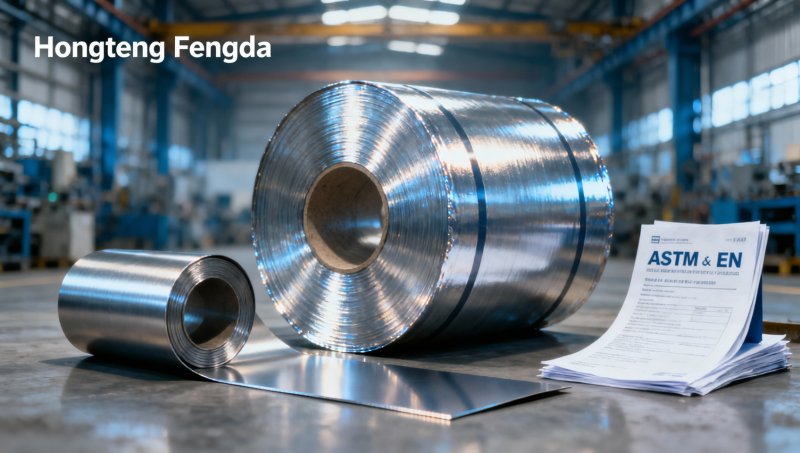
Smart sourcing starts with clarity—not just on grade, but on application context. Ask yourself: Is this for interior dry environments or exterior marine exposure? Will it undergo laser cutting or robotic welding? Does your fabricator require tighter flatness tolerances (<0.3mm/m)?
- For distributors & agents: Leverage our OEM co-branding program—custom packaging, bilingual MTRs, and pre-shipment QC reports reduce your technical support burden.
- For project managers: Specify “EN 10346 S350GD+Z275, Class A finish, max. 0.5% residual stress” to prevent warping in multi-span roof systems.
- For safety officers: All our carbon steel sheet grades meet ISO 9001:2015 and ISO 14001:2015—ensuring consistent chemical composition and zero undocumented alloy substitutions.
Why Choose Hongteng Fengda for Your Steel Sheet Needs?
As a vertically integrated structural steel manufacturer and exporter from China, we control the full value chain—from slab casting and continuous galvanizing to precision slitting and logistics coordination. Our ISO/CE/SGS-certified facility produces over 420,000 MT of cold-formed steel annually, serving Tier-1 contractors in Dubai, Toronto, Warsaw, and Ho Chi Minh City.
You gain more than steel sheet—you gain predictability. With 98.7% on-time delivery since Q1 2023, dedicated export compliance officers, and engineering support for grade substitution (e.g., switching from A36 to Q235B without redesign), we help procurement teams avoid bottlenecks before they occur. Contact our technical sales team today for free grade compatibility review, sample dispatch, or DDP quotation tailored to your next cold-formed project.
Please give us a message


Please enter what you want to find