Stainless steel square tube prices in 2026 will be shaped by raw material costs, global demand, energy pressure, and specification choices. For buyers comparing ss square tube price trends with ASTM stainless steel requirements, understanding what moves the quote is essential to control budgets, assess suppliers, and make smarter sourcing decisions in a fast-changing steel market.
What will influence stainless steel square tube prices in 2026?
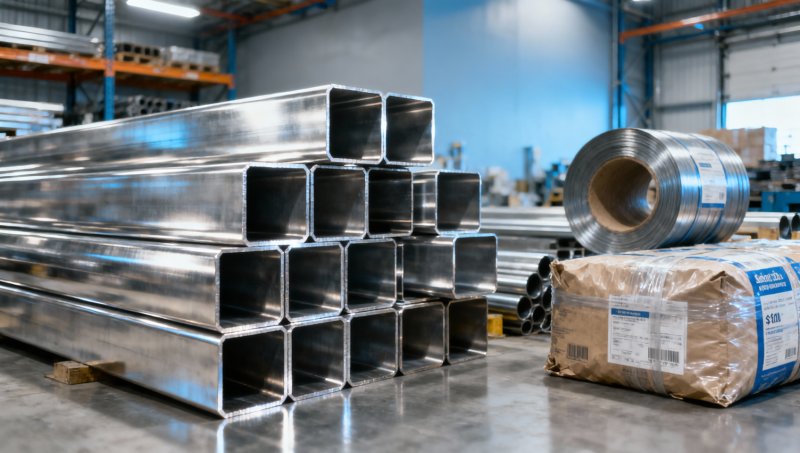
For steel buyers, the quoted price of stainless steel square tube is rarely driven by one factor alone. In most export transactions, the final number reflects a chain of variables: stainless steel grade, nickel and chromium input cost, tube dimensions, surface finish, order volume, inspection scope, packing method, and delivery terms. In 2026, this chain is expected to remain sensitive because global manufacturing demand, energy costs, and regional trade policies can change within a 2–8 week purchasing cycle.
Information researchers may focus on market direction, but procurement teams, project managers, and financial approvers need a more practical answer: which variables move the quote enough to affect budgets? For many projects, a small change in wall thickness or grade selection can produce a noticeable difference in total landed cost, especially when tonnage moves from small batch to container-scale volume. That is why supplier comparison should go beyond a simple per-ton price.
In the steel industry, square tube pricing also depends on whether the buyer needs commodity stock or custom production. Standard sizes with regular mill runs usually offer better cost efficiency and shorter lead times, often in the 15–35 day range depending on specification and export schedule. Custom cutting, tighter tolerances, special polishing, and project-marked packing often increase both processing time and quality control workload.
For global buyers sourcing from China, supplier capability matters as much as market price. Hongteng Fengda supports construction, industrial, and manufacturing projects with structural steel production, OEM support, and export coordination. For buyers balancing budget pressure, standard compliance, and delivery reliability, a supplier with stable production planning and quality control can reduce the hidden costs that often sit outside the initial tube quote.
The 5 most common price drivers buyers should monitor
The following factors usually have the strongest impact on stainless steel square tube price discussions in 2026. These are the areas technical reviewers and sourcing teams should check before asking for a final offer.
- Material grade: 201, 304, and 316 are not interchangeable in cost or corrosion performance. Grade selection often creates one of the largest price gaps in stainless procurement.
- Dimension set: outer size, wall thickness, and length directly affect theoretical weight per meter and therefore raw material consumption.
- Surface and finish: mill finish, brushed, polished, or pickled products require different processing time and inspection attention.
- Order quantity: trial orders, mixed-size purchases, and urgent replenishment generally cost more than repeat or container-based procurement.
- Trade and delivery terms: FOB, CFR, and CIF quotations can vary significantly once freight, insurance, and packing standards are added.
If a quotation does not clearly separate these five variables, comparison becomes difficult. Two suppliers may appear close in unit price while offering different tolerances, test documents, or delivery assumptions. That is where many purchasing mistakes begin.
How grade, size, and standard requirements change the quote
Not all stainless steel square tubes are quoted on the same technical basis. A tube intended for architectural framing, food-related equipment support, light structural fabrication, or corrosive outdoor use may require different material grades and documentation. ASTM stainless steel references are especially important for buyers serving North America or projects with formal compliance review. When grade and standard are not aligned at the inquiry stage, revisions often delay procurement by 3–7 days.
Wall thickness is another major cost lever. A tube with similar outer dimensions but a thicker wall can increase theoretical weight quickly, affecting not only raw material cost but also freight, handling, and downstream fabrication. For project teams, this means cost control should start with load requirement verification rather than simply selecting the thickest available tube.
Technical assessment teams should also look at tolerance and finish expectations. Tight straightness control, low surface defect acceptance, and higher visual finish standards require more careful production and inspection. In practical sourcing, these details often explain why the cheapest offer is not always the most economical one after claims, delays, or rework.
The table below shows how common specification choices typically influence price direction, procurement complexity, and application fit. It is not a fixed market price table, but a decision tool for comparing quote logic.
For procurement and technical teams, the key lesson is simple: compare offers on the same grade, same dimensions, same finish, and same documentation basis. Otherwise, the ss square tube price you see may not reflect the same product scope.
Why ASTM stainless steel references matter in pricing
ASTM-related inquiries often require clearer traceability, dimensional consistency, and supporting documents such as mill test certificates. Even when the base material is available, document preparation, test coordination, and specification review can add processing effort. For contractors, distributors, and quality managers, this effort is often justified because it lowers compliance risk at installation and inspection stages.
This is similar to broader steel sourcing decisions in other product categories. For example, buyers evaluating coated materials for roofing or wall systems often compare coating type, primer system, and service life before approving the order. In such cases, products like PPGI Steel Sheet are selected not only by base price, but also by coating structure, thickness range of 0.2mm–1.2mm, width range of 600mm–1250mm, and end-use durability requirements. The same procurement logic applies to stainless square tube: the quote must match the intended service environment.
When a project team works with one supplier capable of structural steel products, custom processing, and export compliance, the benefit is not limited to unit cost. It also improves communication efficiency across engineering review, purchasing approval, and shipment planning.
How should buyers compare quotations without missing hidden costs?
A low stainless steel square tube price can be attractive, but it is only useful if the quote is complete. In international steel purchasing, hidden costs often come from missing details rather than high list prices. Examples include non-standard tolerances, unclear packing, surface defects, substitute grades, or incomplete inspection documents. These issues can turn a cheap quote into a costly correction after shipment.
For most B2B orders, buyers should evaluate at least 6 core checkpoints before approving a supplier: grade confirmation, dimensions and tolerance, finish requirement, quantity basis, testing documents, and Incoterms. If one or more checkpoints are unclear, the quotation should be revised before internal financial approval. This step usually saves more time than resolving disputes after goods arrive.
Project managers and distributors should also consider delivery rhythm. A 20–30 day mill production cycle may be acceptable for planned procurement, while urgent replacement orders may need stock-based supply or mixed shipping arrangements. Timing affects price because urgent scheduling, split packing, and rush export documentation all increase transaction cost.
The next table can help teams compare quotations in a structured way and avoid price decisions based only on a single visible number.
A structured comparison table helps every stakeholder. Engineers see whether the tube is fit for use. Purchasing sees what is truly included. Finance sees what may change the final payable amount. Quality and safety teams see whether the order can pass incoming inspection without avoidable disputes.
A practical 4-step procurement review process
- Define service conditions first: indoor, outdoor, coastal, chemical, decorative, or structural support use.
- Lock the technical scope: grade, size, finish, tolerance, cut length, and quantity range.
- Compare commercial terms: lead time, Incoterms, payment schedule, packing, and document package.
- Review supplier execution ability: production stability, export experience, response speed, and issue-handling process.
This four-step method is especially useful when the order involves multiple departments. It shortens internal alignment time and reduces re-quotation caused by incomplete specifications.
What risks and opportunities should buyers watch in the 2026 market?
Looking into 2026, the stainless steel square tube market will likely stay dynamic rather than flat. Buyers should expect quotations to react to alloy input changes, regional demand shifts, energy pricing, and shipping conditions. Even if broad steel demand softens in one region, project-specific demand in infrastructure, fabrication, food equipment, or architectural sectors can still tighten availability for certain grades and sizes.
One important trend is the growing preference for better quote transparency. More buyers now ask suppliers to separate material cost, processing scope, packing assumptions, and document requirements. This is a positive development because it helps procurement teams explain price movement to management within one review cycle instead of debating after purchase orders are issued.
Another opportunity lies in supplier integration. A company that can support structural steel, custom components, and international standard-based manufacturing can often simplify project sourcing. Hongteng Fengda serves buyers across North America, Europe, the Middle East, and Southeast Asia with standard and OEM-oriented steel supply. For importers and distributors, this can reduce vendor fragmentation and improve schedule control over a 1–3 month project procurement window.
Risk control, however, remains essential. Price volatility should not push buyers to choose unsuitable grades or vague quotation terms. A short-term saving may create long-term cost through corrosion failure, installation mismatch, or replacement purchasing. The better approach is to balance initial quote, fit-for-purpose performance, and execution reliability.
Common mistakes that distort ss square tube price decisions
- Comparing per-ton prices without checking whether the wall thickness and finish are identical.
- Assuming ASTM stainless steel wording is implied, when no formal standard basis is written in the inquiry.
- Ignoring packing and logistics details for export orders, especially for polished or visible-use material.
- Choosing a supplier only by first quote response speed instead of total execution capability.
Avoiding these mistakes usually leads to better total procurement outcomes than chasing the lowest headline figure. In steel sourcing, good decisions are built on complete definitions, not assumptions.
FAQ and next-step guidance for buyers, engineers, and distributors
How can I get a more accurate stainless steel square tube quote?
Provide 5 basic items in the first inquiry: grade, outer size, wall thickness, length, and quantity. Then add finish requirement, application environment, standard reference, and destination port. A complete inquiry often shortens the quote clarification cycle by 1–3 business days and reduces the chance of rework.
Which matters more in budgeting: grade or wall thickness?
Both matter, but in different ways. Grade changes alloy cost and corrosion capability, while wall thickness changes weight and therefore material consumption per meter. For some orders, thickness is the stronger cost driver; for others, grade upgrade from 304 to 316 is more significant. The right answer depends on use condition and quantity.
What lead time should buyers expect in normal conditions?
For regular specifications, a typical production and shipment preparation window may fall around 15–35 days, depending on mill schedule, order size, finishing requirements, and export documents. Custom processing, mixed specifications, or additional testing can extend that range, so project procurement should ideally begin several weeks before the required installation date.
Why choose a structural steel exporter with broader product capability?
A broader-capability supplier can support not just one item, but also related structural steel needs, OEM components, and standard-based production planning. This reduces coordination time, supports consistent documentation, and helps buyers manage cost and delivery risks more effectively across multi-item projects.
Why work with Hongteng Fengda for quote evaluation and sourcing support?
Hongteng Fengda combines structural steel manufacturing, export experience, and customized solution support for global construction, industrial, and manufacturing projects. Our team can help you review specification logic, compare standard and OEM options, confirm ASTM, EN, JIS, or GB-oriented requirements where applicable, and discuss practical delivery planning based on your project schedule.
If you are comparing stainless steel square tube prices in 2026, contact us with your grade, size, thickness, quantity, finish, and destination details. We can support parameter confirmation, product selection, lead time discussion, packaging requirements, sample support where appropriate, and quotation communication based on real project needs rather than generic price assumptions.
Please give us a message


Please enter what you want to find