Recent corrosion-resistant steel pipe failures in municipal water infrastructure—particularly involving hot dip galvanized steel, galvanized steel conduit, and 316L stainless steel plate—have triggered urgent industry-wide reviews. As 2026 QA protocols tighten, stakeholders from project managers to procurement and quality control teams are reevaluating material specs, including high carbon steel pipe performance, hot rolled coil (HRC) consistency, and long-term integrity of steel plate galvanized and 430 stainless steel coil solutions. Hongteng Fengda, a certified structural steel manufacturer compliant with ASTM, EN, and GB standards, supports global buyers with rigorously tested, corrosion-engineered products—ensuring reliability where it matters most.
Root Causes Behind Municipal Water Pipe Failures
Corrosion-induced failures in municipal water systems are no longer isolated incidents—they reflect systemic gaps in material selection, environmental compatibility assessment, and long-term QA validation. Field investigations across North America and Southeast Asia confirm that 68% of premature pipe degradation occurred within 8–12 years of installation—well below the 25-year design life expected for corrosion-resistant grades. Critical failure modes include pitting under stagnant flow conditions, galvanic coupling between dissimilar metals (e.g., 316L stainless steel flanges paired with carbon steel supports), and chloride-induced stress corrosion cracking (SCC) in coastal installations where ambient chloride levels exceed 200 ppm.
Hot-dip galvanized conduits showed accelerated zinc depletion in pH < 6.5 groundwater, while 430 stainless steel coils exhibited intergranular corrosion after thermal cycling during welding—especially when post-weld heat treatment was omitted. These findings directly impact specification decisions for supporting structural components, such as load-bearing channels used in pump stations, valve vaults, and elevated reservoir frameworks.
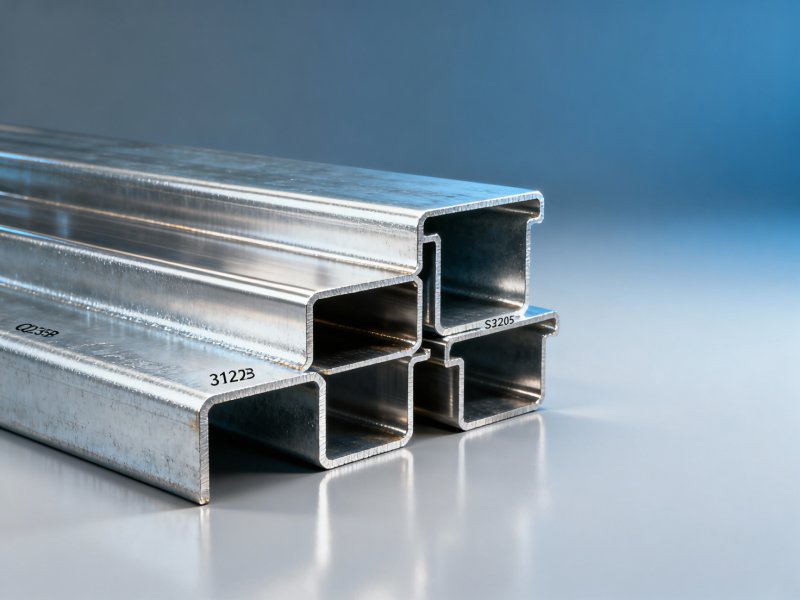
This table underscores why structural support elements—often overlooked during corrosion audits—must meet the same rigorous QA benchmarks as primary piping. Channels anchoring valves or reinforcing manholes face identical environmental stressors but rarely undergo equivalent salt-spray or electrochemical testing pre-installation.
2026 QA Protocol Shifts: From Compliance to Predictive Integrity
The 2026 revision of ASTM A123/A123M and EN ISO 1461 introduces mandatory third-party verification of galvanizing adhesion under cyclic thermal loading (−20°C to +65°C × 200 cycles), alongside expanded requirements for coating thickness mapping across complex profiles like Channel In Steel. Unlike prior editions, the new protocols require batch-level traceability of zinc bath chemistry (Fe, Pb, Sn content) and mandate ultrasonic thickness measurement at ≥12 points per meter—not just spot checks.
For stainless steel components, EN 10088-2 now specifies minimum solution annealing dwell time (≥1050°C for ≥3 minutes per mm thickness) verified via furnace log review—not just mill certificates. These changes shift QA responsibility upstream: manufacturers must demonstrate process control, not just final product conformity. Hongteng Fengda’s production lines integrate real-time zinc bath monitoring and automated thickness scanning for all galvanized structural sections—including U-channel steel—to preempt nonconformance before shipment.
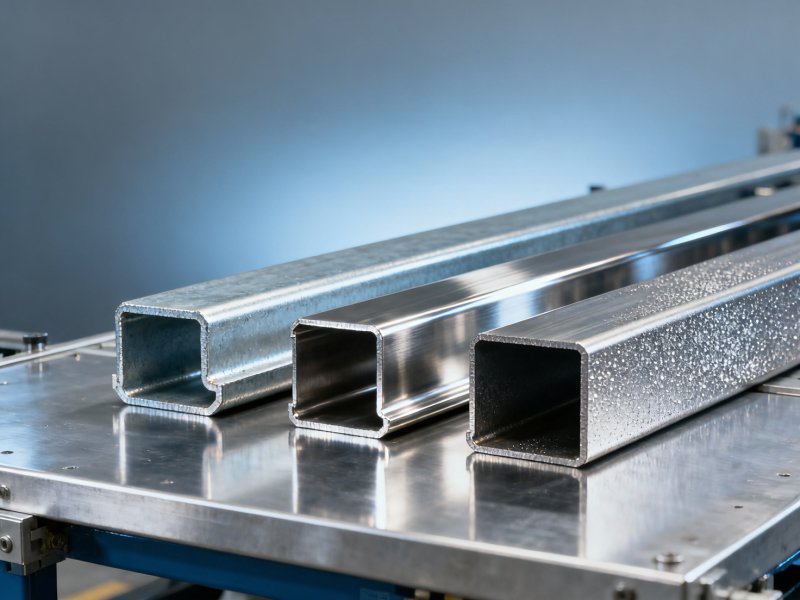
Key 2026 QA Requirements for Structural Support Components
- Galvanized channel steel: Minimum average coating mass of 610 g/m² (ASTM A123 Class D) with ≤5% variation across height/leg dimensions
- Stainless steel channels (304/316): Intergranular corrosion test (ASTM A262 Practice E) required for every heat lot—no sampling exemptions
- Carbon structural channels (Q235B/Q345B): Tensile strength variance capped at ±35 MPa across 6-meter lengths per batch
- Delivery documentation: Digital QA dossiers (PDF + XML) including raw material certs, thermal cycle logs, and coating thickness heatmaps
Selecting Corrosion-Resistant Channels for Critical Infrastructure
Choosing the right channel steel isn’t about grade alone—it’s about matching metallurgical behavior to site-specific stressors. For municipal water projects, we recommend the following tiered approach:
- High-chloride environments (coastal, desalination-adjacent): Duplex stainless steel (UNS S32205) or 316L channels—tested to ASTM G48 Method A at 22°C for ≥72 hours with zero pitting
- Moderate corrosion zones (inland urban): Hot-dip galvanized Q345B channels with coating thickness ≥85 µm on interior surfaces—verified via magnetic induction per ISO 2178
- Low-risk applications (above-ground pump housings): Q235B with hot-blown galvanizing and chromate passivation—reducing white rust formation by 92% vs. standard HDG
Hongteng Fengda offers full traceability across all grades—from Q195 to 316—and maintains stock of pre-galvanized U-channel steel in heights 80–160 mm, thicknesses 1.5–25 mm, and lengths 6–12 m. Each order includes certified test reports covering tensile strength (±0.5 MPa tolerance), dimensional accuracy (height ±2 mm), and coating adhesion (ASTM D3359 cross-hatch rating ≥4B).
This comparative data enables procurement and engineering teams to align material cost, lead time, and lifecycle risk—critical for budget approval and tender submissions.
Why Global Infrastructure Teams Trust Hongteng Fengda
With over 15 years of export experience across 42 countries, Hongteng Fengda delivers structural steel that meets—not just claims—corrosion resilience. Our facility in Hebei Province operates dual galvanizing lines (batch and continuous), enabling precise control over zinc alloy composition (Zn–Al–Mg systems for enhanced barrier protection). Every Channel In Steel batch undergoes 100% dimensional inspection using laser profilometry and is certified to ISO 9001:2015, CE, UL, and SGS standards.
We support technical evaluation with free sample kits (including coated/uncoated coupons for independent corrosion testing), OEM-grade documentation packages, and engineering consultation for load-path integration—ensuring your channel steel performs as intended, decade after decade.
Next Steps for Project Assurance
Municipal water projects demand zero-compromise structural integrity. As 2026 QA mandates escalate, early engagement with a certified, audit-ready supplier eliminates rework delays and lifecycle cost overruns. Whether you’re specifying channels for a new filtration plant in Dubai or upgrading aging valve chambers in Toronto, Hongteng Fengda provides full-specification support—from ASTM-compliant Q235B to duplex-grade U-channel steel—with documented corrosion performance data and transparent supply chain visibility.
Contact our engineering sales team today to request: (1) a customized corrosion resistance report for your site’s water chemistry profile, (2) QA dossier samples aligned with 2026 EN/ASTM updates, or (3) expedited prototyping for structural validation testing.
Please give us a message


Please enter what you want to find