In 2026, the cost of galvanised sheet steel will be shaped by zinc prices, base steel trends, energy, freight, and processing standards. For buyers comparing galvanised steel sheet with products like steel coil, steel rail, tube stainless steel, ss tube, steel mesh, smls pipe, or ASTM A36 materials, understanding these cost factors is essential to control budgets, reduce sourcing risks, and make smarter procurement decisions.
What will drive galvanised sheet steel prices in 2026?
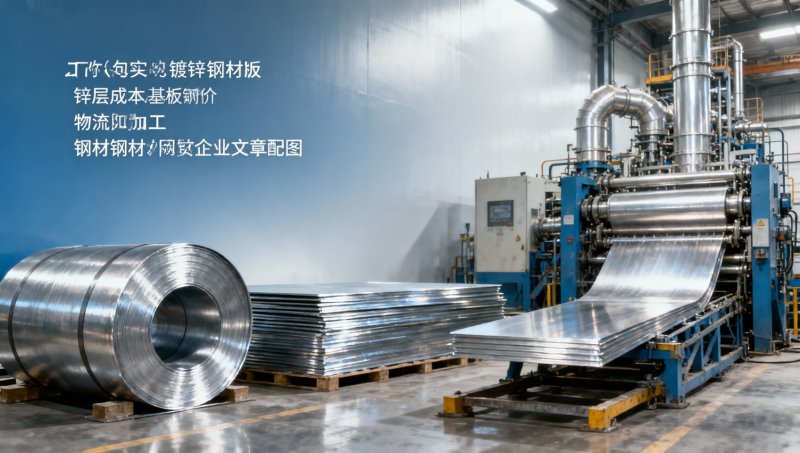
For most buyers, galvanised sheet steel pricing is not a single number but a combination of 5 core cost layers: hot rolled or cold rolled base steel, zinc consumption, galvanising process cost, logistics, and compliance requirements. In 2026, these layers will remain sensitive to energy volatility, regional shipping conditions, and tighter project documentation demands.
Procurement teams often focus only on ex-works price per ton, but that approach can hide meaningful differences in coating weight, dimensional tolerance, inspection scope, and packaging method. A lower quoted price may become more expensive once rework, corrosion risk, delayed customs clearance, or short coating life are considered over a 12–36 month project horizon.
For project managers, technical evaluators, and finance approvers, the key question is not simply whether galvanised sheet steel will cost more in 2026, but which variables are controllable during supplier selection. In practice, 3 areas usually matter most: raw material timing, specification clarity, and shipment planning.
Global buyers sourcing from China also need to account for lead-time structure. A standard order may involve 7–15 days for production planning, another 7–20 days for rolling or galvanising arrangement depending on mill schedule, and additional transit time based on destination. Stable supply often matters as much as nominal unit price.
The 5 cost layers buyers should separate
- Base steel substrate: hot rolled and cold rolled input prices influence galvanised sheet cost directly, especially when thickness ranges from 0.3mm to 3.0mm or above.
- Zinc coating mass: higher coating classes generally increase material cost, but they may reduce maintenance and replacement expense in outdoor or humid service.
- Processing route: continuous galvanising, surface treatment, slitting, cut-to-length, and oiling all affect final conversion cost.
- Freight and packing: export seaworthy packing, port charges, and inland transport can materially change landed cost, especially for mixed-size orders.
- Testing and compliance: ASTM, EN, JIS, or GB documentation requirements may add inspection steps, third-party review, or stricter tolerances.
The table below helps clarify which factors tend to cause the largest movement in galvanised sheet steel cost and which ones are easier to control before purchase orders are issued.
This breakdown shows why serious buyers compare offers on a landed and qualified basis, not only by ton price. When purchasing for construction, fabrication, or industrial manufacturing, cost control starts with clear technical scope and ends with predictable delivery and inspection.
How do zinc, substrate, and processing standards change the final cost?
Zinc is one of the most visible variables in galvanised sheet steel pricing because coating mass directly affects corrosion resistance. However, buyers should avoid assuming that more zinc is always the right decision. For indoor equipment covers, ducting, or moderate exposure applications, a balanced coating may be sufficient. For coastal, agricultural, or high-humidity environments, heavier coating often makes better lifecycle sense.
The steel substrate matters just as much. Different grades, yield strengths, and forming properties affect both processability and cost. A supplier quoting on a commercial quality base is not directly comparable to one quoting on a stricter structural or forming grade. This is why technical teams should align grade, thickness, width, and end-use before commercial comparison.
Processing standards also create cost gaps. Surface passivation, oiling, skin pass, spangle preference, slitting tolerance, and cut edge quality can all influence unit price. In many export projects, dimensional control such as thickness tolerance and width tolerance becomes important because poor consistency causes downstream forming loss, welding issues, or site installation delays.
For buyers who also source structural inputs, it is useful to compare galvanised sheet steel economics with upstream coil options. In some fabrication chains, using Hrc Coil as a base material for further processing can improve purchasing flexibility when the end application does not require galvanised surface protection at the first stage.
A practical example from coil-based sourcing decisions
When a project combines structural fabrication with secondary processing, procurement teams may compare galvanised sheet with hot rolled coil supply. A coil product used in industrial applications demanding high load-bearing capacity and weight reduction may offer advantages in mechanical performance and structural lightweighting, especially where downstream coating or fabrication is planned separately.
The product specification range for the linked coil option covers thickness from 0.12–12mm and width from 100–2000mm, with tolerance guidance such as thickness ±0.02mm and width ±2mm. Common standards include ASTM, AISI, BS, DIN, EN, JIS, and GB/T, which helps technical teams assess compatibility across multi-region projects.
This does not mean one product replaces the other in every case. It means buyers should evaluate corrosion protection stage, forming route, strength requirement, and total process cost together. In applications where high strength, favourable mechanical properties, and later-stage processing are the priority, upstream coil planning may influence overall budget more than the initial galvanised sheet quotation.
Which specification details create hidden price differences?
- Coating designation and minimum mass on both sides of the sheet.
- Substrate grade and whether the sheet is intended for forming, structural use, or general fabrication.
- Thickness range, width range, and tolerances such as ±0.02mm or tighter project-specific limits.
- Surface finish, passivation request, oiling condition, and packaging for sea transport over 2–6 weeks.
What should procurement teams compare before asking for a quote?
A strong RFQ for galvanised sheet steel should do more than ask for price per ton. It should define at least 6 points: grade, thickness, width, coating requirement, standard, and delivery destination. If any of these are vague, suppliers may quote different assumptions, making commercial comparison unreliable and causing later disputes over quality or shipment readiness.
Buyers comparing galvanised steel sheet with steel coil, steel mesh, smls pipe, or ASTM A36 products should also separate use-case logic. These materials solve different engineering problems. Galvanised sheet steel is often chosen for corrosion resistance and fabrication convenience, while ASTM A36 plate or structural sections may be selected for load-bearing frames. Mixing evaluation criteria leads to poor decisions.
For quality control personnel and safety managers, document review should cover mill test certificates, coating-related inspection records where applicable, dimensional checks, and packing condition. For distributors and project buyers, container optimization, mixed loading, and batch consistency become equally important because small discrepancies across lots can complicate resale or site acceptance.
Hongteng Fengda supports these needs by supplying structural steel products and customized solutions with attention to standard compliance, stable production capacity, and dependable lead times. For international buyers, that means technical communication can be aligned early with ASTM, EN, JIS, or GB expectations before production scheduling begins.
A quote comparison table for better purchasing decisions
The table below is useful when comparing 3 or more galvanised sheet steel offers from different suppliers. It helps procurement, engineering, and finance teams review the same quotation on a common basis instead of chasing the lowest headline number.
This method helps avoid a common B2B mistake: comparing unlike-for-like offers. A disciplined review process often shortens decision cycles and reduces cost surprises during production, shipment, and final inspection.
A 4-step RFQ checklist
- Define application environment, service life target, and whether indoor, outdoor, coastal, or industrial exposure applies.
- List exact dimensions, thickness range, width, quantity, and whether small, medium, or bulk batch delivery is needed.
- Confirm standards, testing documents, and any third-party inspection requirement before quotation.
- Request production lead time, packing method, shipment term, and claim handling process together with price.
How can buyers reduce sourcing risk and lifecycle cost?
The lowest initial price does not always produce the lowest project cost. If galvanised sheet steel arrives with unsuitable coating, inconsistent thickness, or export packing that fails during ocean transit, the result may be replacement purchases, installation delay, labor waste, and financing pressure. That is why experienced buyers assess total landed and usable cost instead of invoice price alone.
A useful risk framework includes 4 dimensions: material compliance, production consistency, delivery reliability, and communication efficiency. Each dimension affects different stakeholders. Operators care about usability and processing performance. Project owners care about schedule certainty. Finance teams care about budget predictability. Quality teams care about measurable conformity at incoming inspection.
For many global importers, supplier capability matters most when order complexity increases. Mixed specifications, repeated batch supply, OEM components, and documentation aligned with ASTM, EN, JIS, and GB all require stronger coordination than spot buying. This is where a manufacturer-exporter with structural steel experience can reduce execution risk across procurement and project delivery.
Hongteng Fengda focuses on structural steel manufacturing and export from China, serving buyers in North America, Europe, the Middle East, and Southeast Asia. With modern manufacturing facilities, strict quality control, and both standard and OEM supply capability, the company helps customers balance cost, compliance, and lead-time expectations in real project conditions.
Common purchasing mistakes in galvanised sheet steel
- Choosing only by unit price without checking coating class, tolerance, or applicable standard.
- Ignoring freight timing and booking windows, especially when project installation starts within 2–4 weeks after arrival.
- Using one generic specification for all environments, even when indoor and coastal applications require different protection strategies.
- Requesting custom sizes too late, which may extend production planning and interrupt container consolidation.
FAQ for technical and commercial teams
How should I compare galvanised sheet steel with other steel products?
Start from the application. Galvanised sheet steel is primarily selected for corrosion resistance, sheet fabrication, and relatively efficient downstream forming. Products such as steel rail, smls pipe, tube stainless steel, or ASTM A36 plate serve different mechanical and structural purposes. Compare them by function, environment, and total process route rather than by ton price alone.
What lead time should buyers normally expect?
Typical lead time depends on size, quantity, coating requirement, and current production schedule. Many standard orders follow a 2–4 week manufacturing window, while custom processing, mixed dimensions, or documentation-heavy export orders may require additional planning. Buyers should also reserve time for packing, port transfer, and sea transit.
What documents matter most for import and project approval?
At minimum, buyers usually review the commercial invoice, packing list, mill test certificate, and any agreed inspection records. If the project is tied to ASTM, EN, JIS, or GB documentation, the order should state that clearly before production. Waiting until shipment stage to request extra paperwork often creates avoidable delay.
When is it worth discussing alternatives or upstream material options?
It is worth reviewing alternatives when corrosion protection may be applied later, when strength and weight reduction are higher priorities, or when fabrication steps can be reorganized for cost efficiency. In those cases, comparing galvanised sheet steel with upstream coil or structural material options can reveal a better total-cost path.
Why work with a structural steel manufacturer and exporter for 2026 planning?
In a market where galvanised sheet steel cost depends on multiple changing inputs, buyers need more than a price list. They need a supplier that can explain specification impact, align products with project standards, and support stable delivery across repeated orders. That is especially important for contractors, distributors, OEM buyers, and industrial users managing tight budgets and fixed installation windows.
Hongteng Fengda provides structural steel products and customized solutions for global construction, industrial, and manufacturing projects. The product range includes angle steel, channel steel, steel beams, cold formed steel profiles, and customized structural steel components, with support for standard specifications and OEM supply. This broader capability helps buyers coordinate multi-item sourcing instead of managing fragmented vendors.
For teams preparing 2026 procurement plans, practical discussion points include 5 areas: material grade confirmation, coating or surface requirement, dimensional tolerance, lead-time target, and export documentation. Early alignment on these items often reduces quoting revisions, avoids wrong-spec orders, and improves cost predictability from production through delivery.
If you are comparing galvanised sheet steel prices, evaluating alternatives, or planning a steel sourcing strategy for upcoming projects, you can contact Hongteng Fengda to discuss parameter confirmation, product selection, delivery schedule, custom solutions, certification requirements, sample support, and quotation details. A clear technical and commercial review at the start usually saves both time and budget later.
Please give us a message


Please enter what you want to find