Understanding galv electrical conduit price factors in 2026 is essential for procurement managers and project decision-makers seeking reliable steel supply. From raw material costs and zinc coating standards to order volume, compliance requirements, and global shipping conditions, several variables can affect total sourcing costs. This guide outlines the key factors influencing prices and helps buyers make more informed, cost-effective purchasing decisions.
For B2B buyers, the price of galv electrical conduit is rarely determined by one simple number. It is shaped by steel market cycles, coating specifications, manufacturing methods, certification demands, logistics routes, and supplier capability.
In 2026, buyers are also dealing with tighter project schedules, greater compliance scrutiny, and stronger pressure to balance durability with procurement budgets. That makes a structured sourcing approach more important than chasing the lowest quotation.
What Drives Galv Electrical Conduit Pricing in 2026
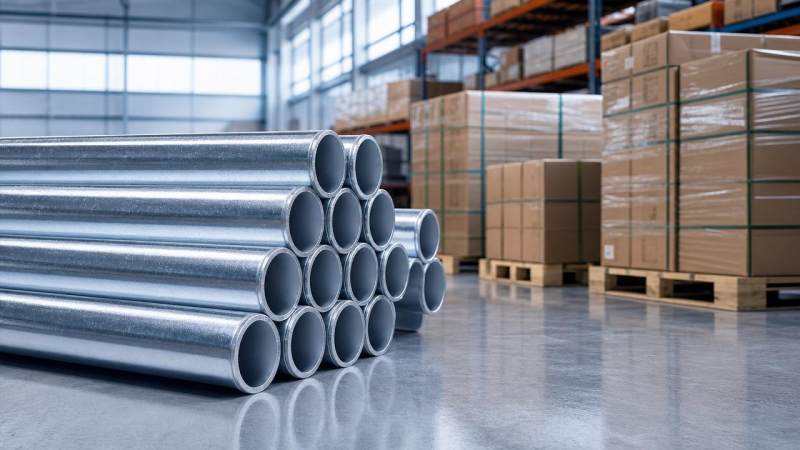
Galv electrical conduit is widely used to protect wiring in industrial plants, commercial buildings, infrastructure projects, and utility installations. In steel-based conduit sourcing, price usually reflects a combination of material input, processing complexity, protective coating, and order execution risk.
For corporate buyers, a 3% to 8% difference in unit price may look minor at first. However, on projects requiring 50 tons, 100 tons, or container-scale shipments, that difference can materially affect total landed cost and project profitability.
1. Steel Raw Material Cost
The base cost of carbon steel is one of the largest pricing components. Changes in hot rolled coil or strip steel pricing can directly influence conduit manufacturing costs, especially when mills adjust quotations weekly or even daily during volatile periods.
If your project uses heavier wall thicknesses, such as 2.0mm to 4.0mm ranges, the effect becomes more visible. A conduit made from thicker steel consumes more tonnage per meter, so raw material fluctuations are amplified.
2. Zinc Coating Weight and Galvanizing Method
The second major factor is zinc usage. In many projects, buyers compare pre-galvanized and hot-dip galvanized conduit, but the cost gap can be significant because zinc coating thickness, process temperature, and corrosion resistance are not equal.
A heavier zinc layer usually means better service life in outdoor or humid environments, but it also adds direct material and process cost. For example, a higher coating mass can increase unit pricing while reducing maintenance and replacement frequency over 5 to 15 years.
Why coating specification matters
- Indoor dry environments may accept lighter corrosion protection.
- Outdoor industrial sites often require stronger galvanizing performance.
- Coastal, chemical, or high-humidity zones typically demand stricter coating control.
- Rework risk rises when coating thickness does not match project specification.
The table below shows common pricing drivers that procurement teams should review before comparing suppliers. Looking at conduit price without technical alignment often leads to false cost comparisons.
The key takeaway is that galv electrical conduit should be compared on an equal technical basis. If one offer uses a different wall thickness, coating level, or standard, the lower unit price may not represent a lower project cost.
3. Manufacturing Tolerance and Processing Complexity
Tighter dimensional tolerances can increase the manufacturing cost of galv electrical conduit. Precision cutting, threading, straightness control, deburring, and end finishing all influence labor time, machine usage, and inspection frequency.
For example, standard commodity conduit may move through production faster than conduit requiring custom lengths, pre-threaded ends, couplings, special bundles, or mixed-size packing lists. Each added step can extend the lead time by 3 to 10 days.
4. Order Size, MOQ, and Production Efficiency
Volume matters in steel procurement. Small trial orders often carry higher per-ton costs because setup, roll forming adjustment, galvanizing line allocation, and inspection overhead are spread over fewer units.
By contrast, repeat orders or full-container shipments may secure better production efficiency. In many export transactions, buyers can reduce packaging and freight waste by consolidating sizes and keeping order structures stable across 2 to 4 purchase cycles.
Technical Standards, Logistics, and Supplier Capability
Beyond mill cost, project procurement teams should assess standards, lead time reliability, export documentation, and quality consistency. These areas may not always change the ex-works price, but they strongly affect total ownership cost and delivery risk.
Compliance Requirements and Testing Cost
When galv electrical conduit is specified for commercial buildings, utility systems, or industrial facilities, it may need to comply with ASTM, EN, JIS, or local project requirements. Documentation can include mill test certificates, dimensional inspection records, coating checks, and packing traceability.
These quality steps are valuable, especially for high-accountability procurement. However, they can increase cost through extra lab work, third-party inspection, or slower release approval. In practical terms, inspection-related lead time may add 2 to 7 days depending on project workflow.
Freight, Port Conditions, and Packaging
For international buyers, logistics can swing the final cost significantly. Ocean freight rates, inland trucking, port congestion, and destination customs procedures can change the landed price even when the conduit factory price remains stable.
Packaging also matters. Steel conduit must be bundled securely to reduce deformation, surface abrasion, and moisture exposure during long transit periods. Poor export packing may appear cheaper at quotation stage but create claims, delays, or site rejection later.
Many decision-makers benefit from a structured evaluation model instead of a simple unit-price comparison. The following table summarizes the most practical procurement checkpoints for 2026 sourcing plans.
A disciplined supplier review process can prevent small technical gaps from becoming costly project issues. In many cases, the most competitive source is the supplier that balances price, compliance, lead time, and communication accuracy.
A Useful Mid-Project Reference for Steel Buyers
Although this article focuses on galv electrical conduit, many procurement teams source multiple steel categories in parallel. For marine foundations, temporary retaining structures, or water-related civil works, specification-driven products often require the same disciplined approach to grades, standards, and delivery planning.
For example, Steel Sheet Piles are commonly used in deep water construction and cofferdam formation. Available grades may include S275, S355, S390, S430, SY295, SY390, and ASTM A690, with production standards such as EN10248, EN10249, JIS5528, JIS5523, and ASTM.
In these applications, buyers often review factors such as high strength, waterproof performance, reusability, and single lengths extending to over 80m. The sourcing logic is similar: technical alignment first, then freight planning, inspection control, and total cost evaluation.
How Enterprise Buyers Can Control Cost Without Increasing Risk
A lower quote does not always create a lower procurement cost. Decision-makers can improve sourcing results by standardizing specifications, planning volume better, and choosing suppliers with stable export experience rather than negotiating only on price.
Practical Cost-Control Actions
- Lock in wall thickness, zinc requirement, and standard before RFQ release.
- Group similar sizes to improve mill efficiency and reduce setup waste.
- Confirm MOQ, packing method, and shipment terms early in the process.
- Request inspection checkpoints before mass production and before loading.
- Compare landed cost, not just EXW or FOB price.
These 5 steps can help reduce avoidable variation in galv electrical conduit purchasing. In multi-country sourcing, they also make supplier quotations easier to compare because the technical and commercial basis is clearer.
Common Procurement Mistakes in 2026
Focusing only on ton price
A lower ton price may hide thinner walls, lighter coating, weaker packing, or incomplete documents. The result can be installation delays, site nonconformance, or replacement orders that cost more than the initial saving.
Ignoring lead time risk
If a project needs delivery in 20 to 30 days, a supplier without stable capacity may create schedule pressure. In B2B construction and industrial procurement, late delivery often causes indirect costs well beyond the conduit price itself.
Underestimating documentation and standards
For cross-border projects, missing certificates, unclear marking, or inconsistent test records can delay customs or project approval. This is particularly important when buyers work across North America, Europe, the Middle East, or Southeast Asia.
Why Supplier Structure Matters
A capable structural steel manufacturer and exporter can support procurement beyond the product itself. That includes specification review, OEM handling, standard matching, production scheduling, and export coordination across different steel categories.
Hongteng Fengda serves global construction, industrial, and manufacturing customers with products including angle steel, channel steel, steel beams, cold formed steel profiles, and customized structural steel components. For buyers managing multiple steel packages, supplier coordination can improve consistency and reduce sourcing friction.
With modern manufacturing facilities and strict quality control, international standard compliance such as ASTM, EN, JIS, and GB becomes easier to manage across projects. This is often valuable when procurement teams need both dependable lead times and predictable quality performance.
Final Buying Considerations for 2026 Projects
The most important lesson for 2026 is that galv electrical conduit price should be evaluated as part of a full procurement system. Steel cost, zinc coating, processing accuracy, order volume, standards, packaging, and freight all influence the final result.
For enterprise decision-makers, the strongest purchasing strategy is to compare suppliers on 4 dimensions at the same time: technical fit, cost structure, delivery reliability, and documentation control. This approach supports both budget discipline and project execution.
If you are planning conduit or broader structural steel procurement from China, working with an experienced export-oriented manufacturer can help reduce sourcing risk, improve communication efficiency, and support more accurate quotation comparisons. Contact us now to get a tailored solution, discuss project specifications, or learn more about suitable steel supply options for your next order.
Please give us a message


Please enter what you want to find