When evaluating structural steel purchases, the cost of steel metal angle can significantly influence the overall project budget.
From raw material prices to standards compliance, several variables shape the final quote and total ownership cost.
A clear view of these cost drivers helps improve budget accuracy, reduce sourcing risk, and support better long-term planning.
What makes steel metal angle pricing change so often?
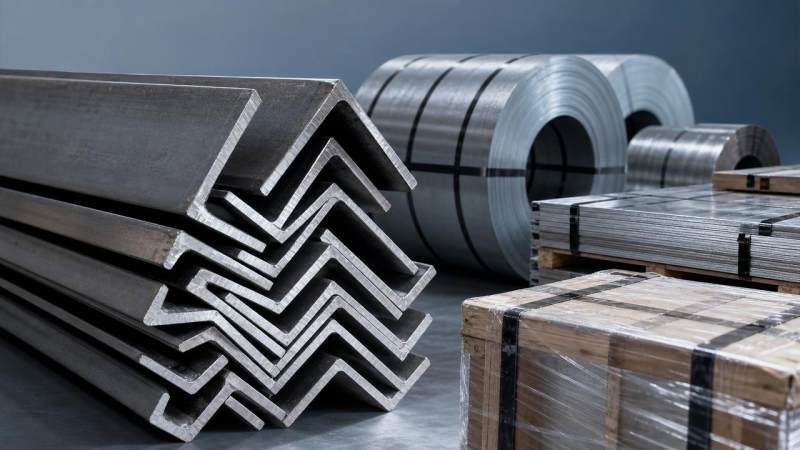
The price of steel metal angle changes because steel is a commodity affected by global supply and demand.
Iron ore, scrap steel, coking coal, energy, and freight all influence the base manufacturing cost.
When mills face rising electricity or fuel costs, the selling price of steel metal angle usually follows.
Exchange rate movement also matters in export business, especially for long-term or volume-based contracts.
Seasonal construction demand can tighten supply, causing short-term increases in angle steel prices.
Trade policies, duties, and regional shortages may create large price differences between markets.
That is why a quote from one month may not match the next month, even for the same specification.
How do size, thickness, and grade affect steel metal angle cost?
Specification is one of the most direct cost factors in steel metal angle sourcing.
Larger leg sizes, thicker sections, and heavier unit weights require more raw material per meter.
This naturally raises the base cost before processing, inspection, packing, or transport is added.
Steel grade matters too, because higher strength or special chemistry grades often involve stricter production control.
If a project needs tighter dimensional tolerance, the production complexity may also increase.
Custom hole punching, cutting, marking, or welding can raise the final steel metal angle price significantly.
Standard sizes are usually more economical because they fit regular rolling schedules and easier inventory turnover.
Non-standard dimensions often require flexible setup, extra scrap control, or smaller production runs.
Key specification cost drivers
- Leg size and thickness
- Steel grade and strength level
- Length tolerance and straightness requirement
- Cutting, drilling, or fabrication work
- Order quantity per size
Why do standards, certification, and testing change the total budget?
Compliance requirements can make a major difference in the final cost of steel metal angle.
Products made to ASTM, EN, JIS, or GB standards may require different mechanical properties and inspection records.
Mill test certificates, third-party inspection, and traceability systems add value but also add cost.
For export projects, packaging and labeling may need to meet destination market compliance rules.
Surface treatment changes cost as well, especially when corrosion protection is necessary.
Black steel metal angle is often cheaper than galvanized material at the point of purchase.
However, galvanized angle steel may reduce maintenance and replacement expense in humid or coastal environments.
A lower unit price does not always mean a lower project cost over the full service life.
Typical added-cost items
- Galvanizing or other protective coating
- Third-party testing and inspection
- Mechanical and chemical report requirements
- Special export packing
- Project-specific identification and traceability
How do quantity, lead time, and logistics impact steel metal angle cost?
Order quantity strongly affects unit cost because mills and fabricators prefer efficient production batches.
Larger volumes of steel metal angle usually achieve better material utilization and lower handling cost per ton.
Small mixed orders may carry a higher price due to setup complexity and inventory fragmentation.
Lead time is another hidden budget factor that should never be overlooked.
Urgent production often requires schedule adjustment, overtime, or partial shipment arrangements.
Those actions can increase the delivered cost of steel metal angle beyond the initial mill quote.
Freight cost depends on packing density, shipping route, destination port, and inland transportation conditions.
Long products also need careful loading plans to avoid deformation, damage, or unnecessary unloading expense.
In some projects, combining angle steel with other structural products improves freight efficiency.
For example, deep foundation packages may also include Steel Sheet Piles.
These products are available in grades such as S275, S355, SY295, SY390, and ASTM A690.
They support deep water construction, cofferdams, long lengths, and reusable site solutions.
What common mistakes increase the real cost of steel metal angle?
One common mistake is comparing quotes without matching the exact steel metal angle specification.
A lower offer may exclude coating, testing, tolerance control, or destination delivery terms.
Another mistake is choosing only by purchase price instead of total installed and lifecycle cost.
In corrosive environments, cheap untreated angle steel may lead to faster replacement and more downtime.
Buyers also underestimate the risk of unstable supply or inconsistent quality between batches.
If material arrives late or fails inspection, the project cost may rise far beyond the steel savings.
It is also risky to ignore dimensional fit with connected parts, fasteners, or welded assemblies.
Minor mismatch can create rework, site delays, and extra labor charges.
Practical ways to avoid overspending
- Define grade, size, tolerance, finish, and standard clearly.
- Request the same trade term across all quotations.
- Check mill capability, quality records, and supply stability.
- Review total cost, not only unit price.
- Plan procurement early to avoid rush production premiums.
How can you evaluate steel metal angle quotes more accurately?
A good evaluation starts with a structured comparison model for steel metal angle suppliers.
Separate the quote into material cost, processing cost, coating cost, inspection cost, and logistics cost.
This method reveals where one offer is cheaper and where hidden charges may appear later.
It also helps compare local stock supply with direct mill production from China or other export markets.
Reliable suppliers should provide stable capacity, quality consistency, and clear communication on lead time.
That combination often creates better long-term value than choosing the lowest short-term steel metal angle price.
The cost of steel metal angle is shaped by raw materials, specification, coating, compliance, quantity, and logistics.
Accurate budgeting depends on comparing complete offers rather than headline prices alone.
A dependable structural steel partner can help control sourcing risk, maintain quality, and support efficient project delivery.
If your project requires stable supply, custom steel solutions, or export-ready documentation, the next step is a detailed specification review.
Please give us a message


Please enter what you want to find