When estimating Steel Construction Material costs, many buyers focus only on base prices and overlook hidden factors tied to Corrosion Resistant Steel, U Channel Steel, ASTM C-beam, galvanized C-beam, and Hot Rolled Beams. For contractors, engineers, and procurement teams, understanding these often-missed cost drivers can improve budgeting, reduce sourcing risks, and support better decisions on Construction Materials for long-term project performance.
Why do steel construction material costs often exceed the initial quote?
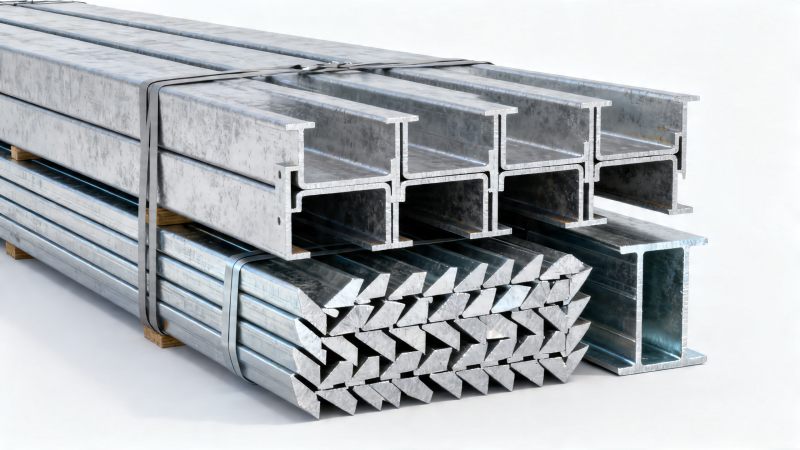
In steel projects, the quoted ton price is only one part of the real budget. Buyers often compare suppliers based on visible material rates, yet total Steel Construction Material costs usually include processing, coating, tolerances, packaging, inland transport, export handling, inspection, and schedule risk. A low base price can become expensive once project-specific requirements are added across a 2–4 week procurement cycle.
This is especially true when projects involve Corrosion Resistant Steel for coastal or humid environments, ASTM C-beam for standard-based projects, galvanized C-beam for outdoor exposure, or Hot Rolled Beams for heavy structural loads. Each category brings different cost structures. The same steel weight may result in different total spending because of coating thickness, dimensional precision, welding preparation, or compliance documentation.
For procurement teams, the real challenge is not only finding a competitive price. It is controlling hidden cost variables before purchase orders are issued. For project managers and financial approvers, a missed cost item can affect installation sequencing, cash flow planning, and even contractor claims. In practice, 5 key cost areas are most often underestimated: specification alignment, processing loss, protective treatment, logistics complexity, and quality assurance.
Hongteng Fengda supports global buyers by helping them review these variables early. As a structural steel manufacturer and exporter from China, the company supplies angle steel, channel steel, steel beams, cold formed steel profiles, and customized structural components under common international standards such as ASTM, EN, JIS, and GB. This matters because cost control starts with technical clarity, not just negotiation.
- Base steel price may cover raw material only, without blasting, cutting, punching, or welding preparation.
- Corrosion protection can vary by environment and service life target, creating major differences in lifecycle cost.
- Project delays of even 7–15 days may generate indirect site costs that exceed any initial price saving.
The difference between purchase price and installed cost
Installed cost includes more than delivered steel. It also includes fit-up efficiency, crane time, site modification risk, and wastage from inaccurate cutting lists. If U Channel Steel arrives in a size that requires rework or adapter plates, labor cost rises immediately. If Hot Rolled Beams require additional surface treatment before erection, coatings and handling add another layer of spending.
Many decision makers approve budgets based on supplier quotations that look comparable on paper but differ in scope. One supplier may include mill test certificates and export packing, while another may charge them separately. That is why total cost visibility should be reviewed line by line before comparison.
Which hidden cost drivers matter most for Corrosion Resistant Steel, C-beams, and beams?
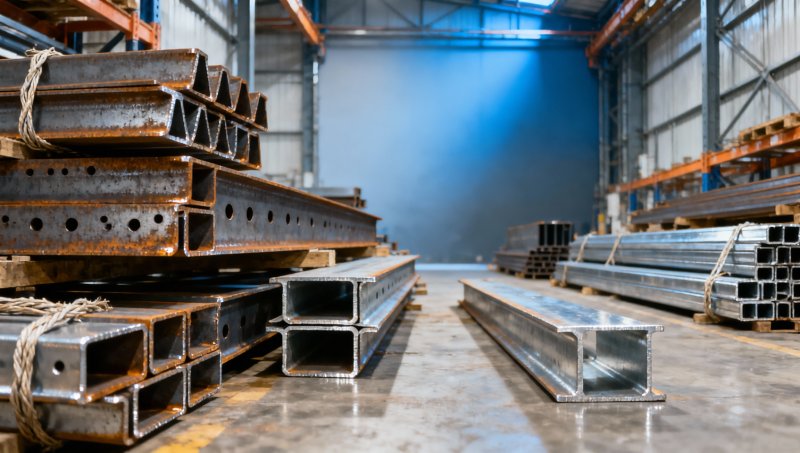
Different steel products create different hidden cost patterns. Corrosion Resistant Steel often looks more expensive at purchase stage, but in coastal infrastructure, workshops, or exposed roofing systems, it may reduce repainting frequency and maintenance shutdowns over 3–10 years. By contrast, standard untreated steel may appear economical but can raise long-term operating cost in aggressive environments.
ASTM C-beam and galvanized C-beam are another common source of misunderstanding. Buyers may ask for the same nominal section size, but costs change depending on galvanizing method, zinc coating expectations, edge quality, hole punching, and straightness tolerances. For distributors and contractors, these details affect both stocking strategy and site compatibility.
Hot Rolled Beams often involve freight and handling cost that is not obvious at inquiry stage. Because beam sizes can be long, heavy, and awkward to load, container utilization may be lower than expected. A beam order that appears efficient by tonnage can become less efficient per shipment if lengths are outside common packing ranges such as 6 m, 9 m, or 12 m.
The table below highlights common cost items that buyers frequently miss when evaluating structural steel for construction materials sourcing.
The key takeaway is simple: steel categories should not be compared by ton price alone. They should be reviewed by full-use condition, fabrication requirement, compliance level, and delivery method. This approach helps procurement and engineering teams avoid underbudgeting.
Processing and coating choices that change the budget
Secondary processing can be a major cost driver. Cutting, drilling, slotting, profiling, camber control, and welded attachments all add labor and quality checks. When buyers request custom structural components, tolerances should be confirmed early, especially where assembly fit-up is critical. A small dimensional deviation can cause field corrections that are more expensive than factory work.
Mid-project buyers also overlook coated sheet systems used alongside structural frames. In roofing, cladding, wall systems, and equipment enclosures, coated coil specifications influence overall project economics. For example, Color Coated Galvalume Steel Coil PPGL can be considered where heat resistance, corrosion resistance, processability, and appearance matter together. Typical ranges include 0.13mm–0.8mm thickness, 600mm–1250mm width, customizable length, and paint options such as PE, SMP, HDP, and PVDF.
This type of coated material is widely used in roofs, wall panels, containers, appliance enclosures, furniture, shutters, and signs. For commercial decision makers, the point is not to replace structural sections with coil products, but to evaluate the total envelope system. A project can control maintenance and visual performance more effectively when both frame steel and cladding materials are selected as a coordinated package.
How should buyers compare suppliers without missing total steel project cost?
A practical supplier comparison should use at least 6 checkpoints: specification match, standards compliance, fabrication scope, coating scope, packaging method, and delivery commitment. Without this structure, a low quote may hide exclusions that appear later as variation charges. This is a common problem in cross-border steel sourcing where technical and commercial terms are reviewed by different teams.
For procurement staff, the best method is to compare scope equivalence first and price second. For technical evaluators, the focus should be standard references such as ASTM, EN, JIS, or GB, plus dimensional tolerance, material grade, and inspection records. For finance teams, cash flow timing, shipment split, and contingency for rework should be visible before approval.
The following table can be used as a selection framework when buying U Channel Steel, beams, or custom structural steel from overseas suppliers.
A structured comparison prevents internal confusion between engineering, purchasing, QA, and finance. It also improves negotiation quality because both sides are discussing the same deliverables. In most projects, the savings from preventing one specification error are greater than the savings from pushing unit price alone.
A 4-step procurement review process
- Define the application: load, environment, service life, and installation method.
- Lock the specification: section type, grade, standard, tolerance, and processing scope.
- Review the commercial package: MOQ, shipment plan, lead time, packing, and documents.
- Confirm risk controls: inspection points, sample approval, and claim handling mechanism.
This 4-step method is useful for distributors, EPC buyers, manufacturers, and project teams that need clear accountability across multiple departments.
What standards, lead times, and compliance points should decision makers check?
In international structural steel procurement, compliance is not only a quality issue but also a cost issue. If a project requires ASTM, EN, JIS, or GB alignment, buyers should verify whether the supplier can provide the right material documentation, dimensional control, and manufacturing consistency. Missing or incomplete documents can delay customs, third-party review, or site acceptance.
Lead time should also be broken into stages rather than treated as a single promise. A practical review covers 3 phases: production scheduling, processing and inspection, and shipment preparation. Depending on product complexity, common lead times may range from 2–4 weeks for standard items to longer periods for heavily customized structural components or special coating requirements.
For quality managers and safety personnel, there are usually 5 inspection points worth confirming: material grade traceability, section dimensions, straightness or geometry, coating condition, and packing identification. If these checkpoints are aligned before shipment, downstream disputes become easier to avoid.
Hongteng Fengda serves buyers across North America, Europe, the Middle East, and Southeast Asia with stable production capacity and strict quality control. For buyers managing multiple standards and delivery expectations, this cross-market export experience helps reduce sourcing uncertainty and supports more predictable project execution.
Common compliance-related misunderstandings
Equivalent grade does not always mean identical project suitability
Equivalent grades may be acceptable in some cases, but design teams should verify mechanical requirements, coating compatibility, and approval conditions before substitution. A lower quote based on a near-equivalent grade can introduce approval delays if the project specification is strict.
Inspection cost is usually lower than rework cost
Some buyers try to reduce pre-shipment inspection expenses, but one rejected batch, one missing mark, or one coating issue can create larger cost exposure. In structural steel, prevention is usually cheaper than correction, especially when delivery windows are tight.
FAQ: what do buyers most often ask about steel construction material costs?
The questions below reflect common search intent from contractors, technical evaluators, purchasers, distributors, and business decision makers who need a clearer view of Steel Construction Material budgeting.
How can I reduce hidden costs when sourcing structural steel from overseas?
Start by locking 4 items before quotation comparison: exact standard, size range, processing scope, and surface treatment. Then ask for packing details, inspection scope, and realistic shipment timing. This reduces the chance of later charges for “extra” work that was assumed but not written.
When is Corrosion Resistant Steel worth the higher initial price?
It is usually worth stronger consideration in coastal zones, humid production areas, exposed roofs, industrial atmospheres, or projects with difficult maintenance access. If a maintenance cycle is expected every few years, the lifecycle economics may justify the higher upfront material cost.
What should I check before buying ASTM C-beam or galvanized C-beam?
Confirm section dimensions, thickness range, standard reference, punching or cutting needs, corrosion protection route, and any project-specific tolerance. Also verify whether galvanizing occurs before or after fabrication, because that affects finish quality, lead time, and total cost.
How long does a typical steel order take?
For common structural products, a typical order may move through quotation, production, inspection, and shipment in about 2–4 weeks, depending on quantity, customization level, and shipping schedule. More complex fabricated parts or special coatings may require additional planning time.
Why work with a structural steel manufacturer that understands total project cost?
The best steel supplier is not simply the one with the lowest headline price. It is the one that helps your team define scope correctly, match standards accurately, manage production reliably, and ship with fewer surprises. That matters to engineers who need fit-for-purpose material, to buyers who must control landed cost, and to financial approvers who want fewer budget deviations.
Hongteng Fengda provides structural steel products and customized solutions for global construction, industrial, and manufacturing projects. With experience in angle steel, channel steel, steel beams, cold formed steel profiles, and customized structural components, the company supports both standard specifications and OEM requirements under internationally recognized standards.
If you are evaluating Steel Construction Material costs, you can consult on 6 practical topics before placing an order: material grade confirmation, beam or channel selection, corrosion protection options, fabrication scope, delivery timeline, and documentation needs. Sample review, specification alignment, and quotation breakdown can also be discussed to reduce sourcing risk before commitment.
For projects that involve Corrosion Resistant Steel, U Channel Steel, ASTM C-beam, galvanized C-beam, Hot Rolled Beams, or coordinated cladding materials, early technical-commercial review can prevent costly changes later. A clear inquiry with drawings, target standards, quantity range, and delivery destination is the fastest way to receive a practical recommendation and a more accurate quotation.
Please give us a message


Please enter what you want to find