Pipe stainless price depends on more than alloy grade alone. For buyers comparing high strength stainless steel pipe, ASTM standard steel pipe, or carbon steel pipe for oil and gas, costs are shaped by raw materials, processing, standards, customization, and supply stability. This guide explains the key pricing factors so procurement, engineering, and project teams can evaluate options more accurately and control sourcing risk.
What really drives pipe stainless price in steel procurement?
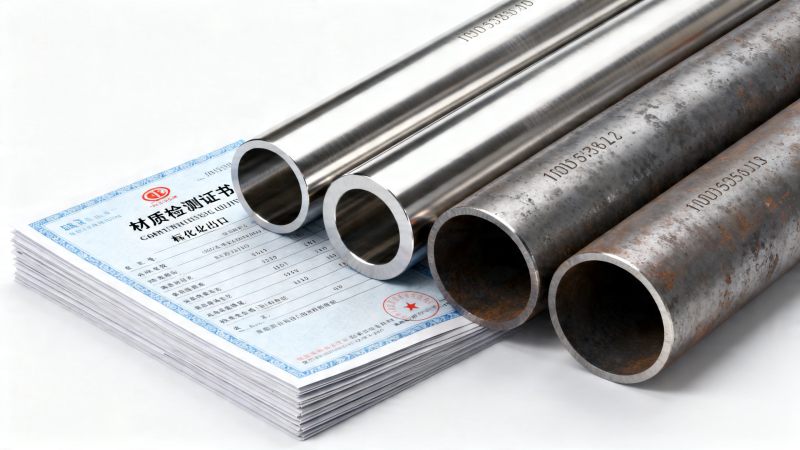
In practical sourcing, pipe stainless price is usually the result of 5 core variables: base material grade, wall thickness and size, production route, compliance requirements, and order conditions. Buyers often focus on 304 versus 316 first, but that is only one layer of the cost structure. The same nominal grade can still differ in price when surface finish, dimensional tolerance, mill testing, or export packing changes.
For technical evaluators and project managers, the cost question should be framed around total delivered suitability rather than unit price alone. A lower quotation may omit third-party inspection, stricter ASTM standard steel pipe documentation, or stable lead time support. In steel projects with 2–4 week installation windows, a late or non-compliant batch often costs more than an initially higher-priced but reliable order.
Stainless pipe pricing also changes with nickel, chromium, molybdenum, and energy costs. Grades such as 201, 304, and 316 respond differently to raw material volatility. In comparison, carbon steel pipe for oil and gas may have a lower starting material cost, yet coating, testing, and pressure-grade requirements can narrow the apparent gap in many industrial applications.
For distributors, financial approvers, and business evaluators, the right comparison model is not simply stainless versus carbon steel. It is better to compare 3 layers at once: purchase price, processing and compliance cost, and service-life risk. This approach helps avoid under-budgeting in corrosive environments or over-specifying material where standard structural performance is enough.
Five cost layers buyers should review before asking for a quote
- Material layer: stainless series, duplex options, or carbon structural steel affect the raw input cost directly.
- Manufacturing layer: welded pipe and seamless pipe differ in process complexity, yield, and inspection needs.
- Specification layer: thickness ranges, length tolerances, end treatment, and special dimensions change machine time and scrap rate.
- Compliance layer: ASTM, EN, JIS, and GB documentation can require added testing, marking, and traceability.
- Logistics layer: packaging, container utilization, destination market, and delivery deadline may shift the final landed cost by a visible margin.
Companies sourcing from China often gain cost control when the supplier can align production scheduling, documentation, and export packing in one workflow. Hongteng Fengda supports this kind of coordination for global construction and industrial buyers by combining structural steel manufacturing capacity, quality control, and standard-based supply planning, which helps reduce hidden procurement friction.
How do grade, dimensions, and standards change the final cost?
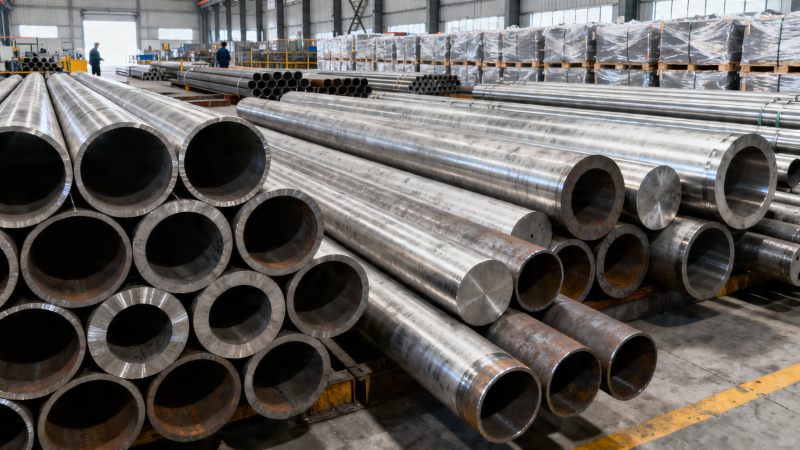
The first visible driver of pipe stainless price is grade selection. In broad market practice, 201 is often chosen where budget sensitivity is high and corrosion exposure is moderate, while 304 serves as a mainstream option for general industrial and construction environments. 316 usually carries a premium because molybdenum improves corrosion resistance in chloride-rich or more demanding service conditions.
Dimensions matter just as much. When diameter increases and wall thickness moves from lighter schedules into heavier sections, metal consumption rises quickly. A small shift in thickness tolerance can also influence production stability and yield. For project purchasing, this means two pipes with similar outer diameter may show meaningful price differences if one requires tighter tolerances or longer cut lengths such as 6 m, 9 m, or 12 m.
Standards are another major price factor. ASTM standard steel pipe often involves material certificates, heat number traceability, dimensional verification, and defined testing routes. If the project also asks for EN or JIS equivalency, suppliers must coordinate the matching chemistry, mechanical properties, and paperwork. This raises administrative and inspection cost, but it also reduces approval risk for quality control teams and safety managers.
In oil, gas, and industrial utility applications, carbon steel pipe for oil and gas may appear cheaper at inquiry stage. However, if anti-corrosion coating, beveling, hydrostatic testing, NDT, and special packing are required, the cost gap may narrow. Buyers should therefore compare the delivered technical package rather than only the ex-works price line.
Typical price influence by technical factor
The table below helps procurement and engineering teams map which factors usually have a low, medium, or high influence on quoted cost. It is not a price list, but it is a practical decision tool for quotation review.
For purchasing teams, the main lesson is clear: if two quotes differ greatly, check grade equivalency, tolerance basis, and test scope first. In many cases, the lower quote simply excludes one or more technical obligations. A structured quote review often prevents approval delays and re-sourcing later in the project cycle.
Where structural steel buyers should think beyond pipe alone
Many projects do not purchase pipe as a standalone product. They buy full steel packages including channels, beams, brackets, and customized fabricated parts. In those cases, total project efficiency can improve when one supplier supports both pipe-related sourcing logic and adjacent structural sections under common quality control and export handling.
For example, when a project also requires channel sections for wall beams, lightweight roofs, brackets, or mechanical columns, integrating matching steel profiles may reduce coordination time by 3 practical steps: fewer supplier interfaces, clearer standard alignment, and more consistent delivery scheduling. A useful reference in this area is Channel In Steel, which covers grades such as Q195, Q235, Q345B, Duplex, and 201/202/304/316 with thickness from 1.5mm to 25mm, height from 80mm to 160mm, and common lengths of 6–12m.
This kind of product is relevant when buyers need U channel steel for construction, automobile manufacture, purlin systems, wall beams, brackets, or light manufacturing support members. Technical teams should compare not only reasonable price, but also tolerance control such as thickness at +/-0.02mm and height at +/-2mm, along with compliance to AISI, ASTM, DIN, JIS, BS, and GB/T requirements.
For distributors and contractors, combining structural sections and pipe-related materials under one export-capable supplier can improve shipment planning, especially where prompt delivery, stock visibility, and certification support matter as much as the individual unit price.
Stainless steel pipe vs carbon steel pipe for oil and gas: which is more economical?
The more economical option depends on service environment, maintenance expectations, and compliance needs over time. Stainless steel pipe usually costs more up front, but it can lower replacement frequency and coating dependency in corrosive environments. Carbon steel pipe for oil and gas can be cost-effective where mechanical strength and pressure service are the main concerns and corrosion is managed through coating, lining, or operating controls.
For project owners and financial approvers, the right question is not “Which is cheaper today?” but “Which produces lower project cost across 12–36 months of operation or maintenance planning?” A lower initial material price may still lead to higher downtime, faster corrosion, or more frequent inspection intervention depending on the medium and location.
Technical assessment should also consider weldability, fabrication method, and field installation conditions. If a project demands more welding, cutting, and fitting under variable site conditions, consistency of material chemistry and processing quality becomes critical. That is why specification review should include 4 practical checkpoints: corrosion exposure, pressure class, installation method, and documentation requirement.
Suppliers with broader structural steel experience are often better positioned to support these decisions. Hongteng Fengda serves buyers across North America, Europe, the Middle East, and Southeast Asia with standard and customized steel solutions, which helps procurement teams compare not only price but also manufacturability, standards compliance, and dependable lead time.
Decision comparison for common industrial buying scenarios
The table below is designed for sourcing teams that need a fast comparison between stainless and carbon steel options in project planning, budget review, and technical screening.
This comparison shows why cost evaluation should be tied to service conditions. In dry structural support or non-corrosive environments, carbon steel may be the rational option. In aggressive media, washdown zones, or corrosion-sensitive systems, stainless can reduce long-term risk even with a higher upfront quote.
Three situations where paying more may actually save budget
- When replacement access is difficult and shutdown cost is significant, durable materials reduce interruption risk.
- When export projects need multi-standard documentation, compliant material avoids approval and customs issues.
- When projects combine several steel products, consolidated sourcing can cut handling errors and delivery fragmentation.
For decision-makers, this is where experienced steel exporters add value. Price discipline matters, but so do lot consistency, technical response speed, and realistic delivery commitments. These points often determine whether a project remains on schedule.
How should procurement teams evaluate suppliers and quotations?
A strong quotation review process usually takes 4 steps: define the exact standard and application, verify the full material specification, compare all testing and documentation items, and check delivery readiness. This is especially important when pipe stainless price is being compared across several suppliers who may not be quoting on exactly the same basis.
Procurement teams should ask whether the quote includes mill test certificates, packaging method, surface condition, end protection, marking, and inspection route. If these items are unclear, the headline price has limited value. For projects with tight deadlines of 7–15 days for sample approval or 2–4 weeks for shipment planning, ambiguity can cause major internal delays.
Quality and safety personnel should also review tolerance control, standard references, and traceability. In structural steel and industrial supply, document accuracy matters because approval often passes through engineering, procurement, finance, and site teams. A supplier that responds clearly to all 4 groups is easier to work with than one offering only a low number.
Hongteng Fengda supports global buyers with modern manufacturing facilities, strict quality control, and supply aligned with ASTM, EN, JIS, and GB standards. This matters for procurement because consistent production capacity and dependable lead times help reduce sourcing risk, especially for repeat orders, mixed-product shipments, and customized steel requirements.
A practical supplier evaluation checklist
- Can the supplier quote by exact grade, dimension, and standard rather than by generic stainless pipe wording?
- Can they support OEM or customized steel components when the project includes more than one product category?
- Do they explain tolerance, testing, packing, and shipment terms clearly in writing?
- Can they coordinate export documents for North America, Europe, the Middle East, or Southeast Asia without repeated clarification?
- Do they offer realistic production timing for small batch, medium batch, and larger project supply?
When these points are checked early, buyers are more likely to get comparable quotations and avoid hidden extras. This is valuable not only for procurement officers, but also for project managers and finance teams that need fast approval with fewer technical disputes.
Common quote mistakes that increase total cost
One common mistake is comparing a certified ASTM standard steel pipe quote with a non-specific commercial grade quote. Another is neglecting the influence of special lengths, small batch quantity, or mixed-product loading. A third is overlooking destination-specific packing or inspection expectations, which often surface only after the order is confirmed.
For distributors and agents, the most effective strategy is to build a quotation matrix with 5 columns: technical spec, standard, inspection, delivery term, and commercial term. This gives a far clearer picture than unit price alone and helps preserve margin when reselling into project markets.
FAQ: what do buyers most often misunderstand about stainless pipe cost?
The questions below reflect common search and purchasing concerns from engineers, operators, sourcing teams, and decision-makers. They also address the most frequent misunderstandings that lead to inaccurate budgeting.
Is the lowest stainless steel pipe quote usually the best option?
Not necessarily. A lower quote may exclude testing, stricter tolerance control, export packaging, or required documentation. In many steel purchasing cases, the real comparison should include at least 4 items: grade accuracy, standard compliance, inspection scope, and delivery condition. If one of these is missing, the lowest quote can become the highest-risk order.
How much do delivery time and order size affect pipe stainless price?
They can affect it significantly. Small trial orders, urgent production windows, and mixed specifications often raise processing and handling cost. Standardized repeat orders usually perform better in price stability because production planning is more efficient. Buyers should ask whether the supplier is pricing for stock supply, mill production, or custom manufacturing, as lead time can vary from around 7–15 days to 3–6 weeks depending on the requirement.
When should buyers choose 316 instead of 304?
316 is commonly selected when the service environment is more corrosive, especially where chlorides, chemicals, or marine-related exposure are involved. If the operating environment is less aggressive, 304 may be sufficient and more economical. The choice should be made by service condition, not by habit. Over-specification wastes budget, while under-specification increases maintenance risk.
Can one supplier handle both stainless pipe inquiries and structural steel support products?
Yes, and that can improve project efficiency when the supplier has broad steel manufacturing and export capability. For buyers managing beams, channels, profiles, and customized components together, consolidated sourcing can simplify standards coordination, quality review, and shipment planning. This is particularly useful in construction and industrial projects with multiple steel categories and phased delivery requirements.
Why work with a Chinese structural steel manufacturer for cost control and project reliability?
For global buyers, cost control is not achieved by chasing the lowest number. It comes from balancing material suitability, manufacturing consistency, compliance clarity, and predictable delivery. A capable Chinese structural steel manufacturer can support that balance by combining scalable production, export experience, and customization flexibility across multiple product categories.
Hongteng Fengda provides angle steel, channel steel, steel beams, cold formed steel profiles, and customized structural steel components for global construction, industrial, and manufacturing projects. This broader supply capability helps customers reduce sourcing fragmentation, which is especially useful when procurement teams need both standard specifications and OEM solutions under one management path.
If you are evaluating pipe stainless price, ASTM standard steel pipe options, or carbon steel pipe for oil and gas alongside related structural materials, the most effective next step is to confirm 6 points with the supplier: grade, size, standard, quantity, delivery schedule, and documentation scope. With those details, technical and commercial comparisons become much more accurate.
You can contact us for parameter confirmation, product selection, customized steel solutions, expected lead time, certification requirements, sample support, and quotation discussion. This is particularly valuable for project managers, procurement teams, distributors, and engineering reviewers who need a practical recommendation rather than a generic catalog response.
Please give us a message


Please enter what you want to find