When specifying indoor framing, many buyers compare galvanized C-beam with standard C-beam steel to judge whether the added price truly delivers value. For projects using ASTM C-beam, Q235B channel, or other Steel Construction Material, the answer depends on humidity, maintenance needs, service life, and compliance expectations. This guide helps engineers, buyers, and project teams evaluate if Corrosion Resistant Steel is a smart indoor investment.
When does galvanized C-beam make sense indoors?
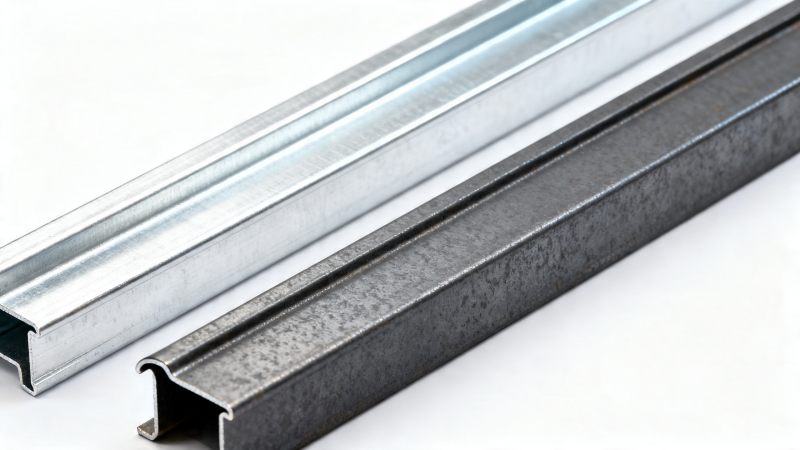
Indoor use does not always mean a dry, low-risk environment. Many workshops, warehouses, utility rooms, food-processing areas, transit terminals, and semi-open production buildings experience periodic condensation, roof leakage, cleaning water, chemical vapor, or temperature swings. In these cases, galvanized C-beam often provides practical value because zinc coating delays rust formation and reduces the frequency of repainting or replacement over a 5–15 year service window.
For buyers, the key question is not only initial price. It is total lifecycle cost. A standard black steel C-beam may appear more economical at purchase, but indoor corrosion can still develop if relative humidity stays high for long periods, if the building is not climate-controlled, or if the steel is exposed to alkaline dust, cleaning agents, or occasional water contact. Even light corrosion can trigger maintenance labor, shutdown time, and appearance issues.
Technical evaluators usually look at 3 core indicators: environmental exposure, expected service life, and coating repair difficulty after installation. If a beam will be hidden inside walls and ceilings for 10–20 years, replacement becomes expensive even when the steel section itself is not heavily loaded. In such cases, paying extra for galvanized C-beam may be a risk-control measure rather than a simple material upgrade.
On the other hand, in clean, climate-stable interior spaces such as office partitions, dry retail structures, or enclosed equipment framing with routine inspection, standard C-beam can remain a reasonable choice. The extra cost is worth it indoors only when the operating conditions, maintenance constraints, or compliance expectations justify it.
3 indoor conditions that increase corrosion risk
- High humidity or condensation zones, such as basements, coastal buildings, wash areas, and poorly ventilated roofs, where moisture can remain on steel surfaces for several hours at a time.
- Industrial interiors with vapor, dust, or chemical residues, including packaging plants, light manufacturing lines, and storage areas where airborne contaminants speed up coating breakdown or rust initiation.
- Hard-to-access framing systems, where repainting or replacing members after 2–3 years would disrupt operations, increase labor cost, or require dismantling connected components.
A quick decision rule for buyers
If the structure is expected to remain indoors for less than 5 years, in a dry and controlled building, and easy to inspect, standard C-beam may be enough. If the project horizon is 10 years or longer, with periodic moisture or low maintenance access, galvanized C-beam becomes easier to justify from both engineering and procurement perspectives.
Galvanized C-beam vs standard C-beam: what are you really paying for?
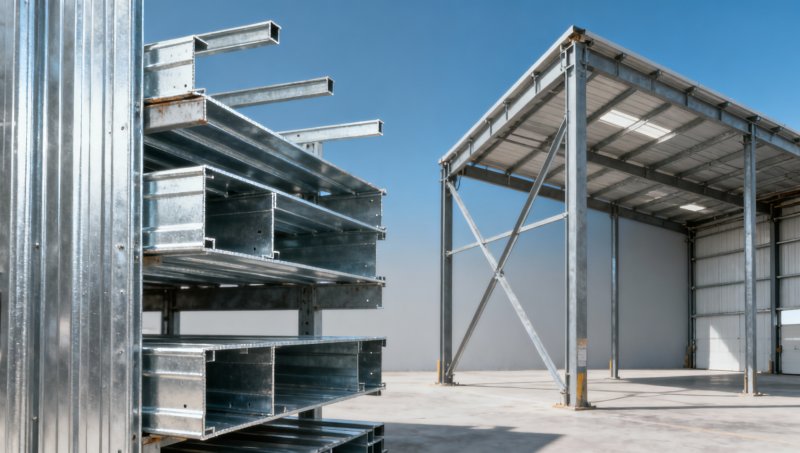
The price premium of galvanized C-beam usually reflects more than appearance. It covers zinc coating, additional processing, and in many supply chains tighter control over surface quality and storage. What buyers are actually paying for is slower corrosion, lower maintenance frequency, and a more stable compliance path when project documents require coated steel members.
For procurement teams, the comparison should include at least 4 cost layers: purchase cost, transport and packaging, installation impact, and maintenance over time. A low upfront price can become less attractive if the beams require field painting, repeated inspection, or partial replacement after early surface corrosion. This is especially relevant in export projects where labor cost on site is much higher than the coating premium at source.
For quality and safety managers, galvanized C-beam can also help reduce inconsistency. Bare steel stored incorrectly before installation may develop flash rust in 7–30 days depending on local climate. Even if structurally acceptable, visible rust may trigger rework, rejection, or additional cleaning steps. Coated sections reduce that handling risk in warehousing and transit.
The following comparison helps clarify whether the added cost is practical for your indoor steel framing specification.
This comparison shows that the premium is not universally necessary, but it becomes easier to defend when maintenance access is poor, labor is expensive, or project specifications prioritize long-term surface protection. For distributors and project managers, that can mean fewer complaints and less after-sales risk.
Where buyers often underestimate cost
Indirect site costs
A repainting cycle may involve shutdown planning, surface cleaning, touch-up coating, and safety access equipment. On some indoor industrial sites, these indirect costs are greater than the original difference between galvanized C-beam and standard sections.
Rejection and rework risk
If the project specification references ASTM, EN, JIS, or owner-specific corrosion requirements, using the cheaper option first and correcting later can delay installation by 1–2 weeks. That schedule impact matters to both EPC teams and financial approvers.
How to evaluate indoor framing by environment, compliance, and service life
A good specification starts with environment mapping rather than product preference. Engineers and buyers should divide indoor spaces into 3 categories: dry controlled areas, mixed-condition areas, and high-moisture or chemically influenced interiors. This simple classification makes steel selection more consistent and helps avoid overbuying in one zone while under-protecting another.
Service life planning is the second filter. If a beam supports cable trays, light platforms, partition framing, or secondary steel for 8–20 years, replacement difficulty should be considered early. Hidden or elevated members deserve more protection than exposed members that can be inspected every quarter or every year. For project managers, this is a practical maintenance planning issue, not only a materials issue.
Compliance is the third filter. Some industrial and export projects require material documentation aligned with ASTM, EN, JIS, or GB. Others may ask for coating-related evidence, traceability, or surface quality consistency. Working with a manufacturer familiar with multiple standards can reduce approval friction and shorten the technical clarification stage from several rounds to a more manageable 1–2 review cycles.
For projects that use both structural sections and sheet-based corrosion-resistant products, it is often helpful to standardize procurement logic across the package. For example, when the enclosure, roofing, or auxiliary fabricated parts also require corrosion resistance, materials such as AZ50 Galvalume Steel Coil may be considered for related exterior or industrial applications. Its common thickness range of 0.12mm–6.00mm, width range of 600mm–1500mm, and Al-Zn-Si coating system are often selected where corrosion resistance and formability need to be balanced.
A practical selection table for indoor steel framing
The table below helps procurement teams, quality staff, and technical reviewers align the choice of galvanized C-beam or standard C-beam with environmental and project conditions.
The main takeaway is straightforward: indoor conditions vary more than many tender documents suggest. Once moisture, downtime, and access limitations are included in the evaluation, galvanized C-beam often moves from “optional upgrade” to “cost-controlled preventive choice.”
4 procurement checks before final approval
- Confirm base steel grade and section dimensions, not only coating type, because structural performance remains the first requirement.
- Review indoor exposure conditions by zone, especially areas with condensation, cleaning water, or chemical vapor.
- Check documentation needs, such as standard references, mill certificates, and traceability records for export or industrial projects.
- Estimate maintenance access cost over at least one service cycle, typically 5–10 years for indoor secondary framing decisions.
Common mistakes, budget traps, and FAQ for indoor C-beam selection
One common mistake is assuming all indoor environments are equal. A fully air-conditioned office and a coastal warehouse with intermittent ventilation are both “indoor,” but they do not create the same corrosion risk. Another mistake is comparing prices without considering handling, storage, and touch-up cost after delivery. For steel buyers, these hidden items often decide the real value of galvanized C-beam.
A second budget trap is specifying galvanized C-beam everywhere without zoning the project. That can increase material cost more than necessary. A better approach is mixed specification: use galvanized sections in 20%–40% of higher-risk indoor areas and standard sections in low-risk zones. This method often improves budget efficiency while still protecting the most vulnerable parts of the structure.
A third issue concerns supplier capability. Buyers need more than a price list. They need stable production, specification accuracy, packaging suitable for export, and familiarity with ASTM, EN, JIS, or GB requirements. Hongteng Fengda supports global construction, industrial, and manufacturing projects with angle steel, channel steel, steel beams, cold formed profiles, and customized structural components, helping buyers reduce sourcing risk and manage lead time more predictably.
For teams balancing cost, compliance, and delivery, working with a structural steel manufacturer and exporter that can provide standard products and OEM solutions is often the most efficient path. It simplifies technical communication, sample confirmation, and batch consistency checks across multiple items in one procurement package.
FAQ
Is galvanized C-beam always better indoors?
No. It is better mainly where humidity, condensation, washdown exposure, or poor maintenance access increases corrosion risk. In dry, controlled interiors with easy inspection, standard C-beam can still be the more economical choice.
How much should maintenance influence the decision?
It should influence the decision early. If maintenance requires shutdown, lift access, dismantling, or work at height, even a modest coating premium can save meaningful operational cost over a 5–10 year period.
What should technical evaluators check first?
Start with steel grade, section size, loading requirement, and environmental exposure. After that, verify applicable standards, coating expectations, documentation, and whether the framing is visible, accessible, or concealed after installation.
What is a realistic lead-time concern for imported structural steel?
Lead time depends on section type, quantity, customization, and destination, but buyers should typically plan for sample confirmation, production, inspection, and shipping as separate stages. Early discussion of dimensions, standards, and packaging can reduce avoidable delay.
Why choose us for indoor structural steel projects?
If you are comparing galvanized C-beam, standard channel steel, steel beams, or cold formed profiles for an indoor project, the right supplier should help you make a decision based on environment, compliance, budget, and delivery schedule. Hongteng Fengda manufactures and exports structural steel products from China for global construction, industrial, and manufacturing applications, with support for standard specifications and OEM requirements.
Our advantage is not limited to supply. We help buyers confirm 4 practical points before ordering: suitable material grade, section specification, documentation standard, and delivery planning. This is especially useful for project managers, purchasing teams, distributors, and technical reviewers handling multi-item steel packages under tight timelines.
You can contact us to discuss parameter confirmation, indoor corrosion-risk assessment, C-beam or channel selection, coating preference, customization details, certification alignment, sample support, packaging method, and quotation planning. For projects with mixed steel needs, we can also coordinate related structural sections and corrosion-resistant material options in one sourcing workflow.
If your team is still deciding whether galvanized C-beam is worth the extra cost indoors, send your drawings, application scenario, required standards, and target delivery window. We can help you compare options clearly, reduce procurement uncertainty, and build a specification that matches both performance and budget.
Please give us a message


Please enter what you want to find