Choosing the wrong H-beam size can trigger costly redesigns, material waste, delays, and safety concerns across steel projects. For buyers comparing H-beam options alongside Z-beam, Rebar, Profile systems, or even asking is cheap steel from China reliable, understanding size selection is critical. This guide explains the most common H-beam sizing mistakes and how to avoid unnecessary project costs through better technical and purchasing decisions.
Why does H-beam size selection affect total project cost so much?
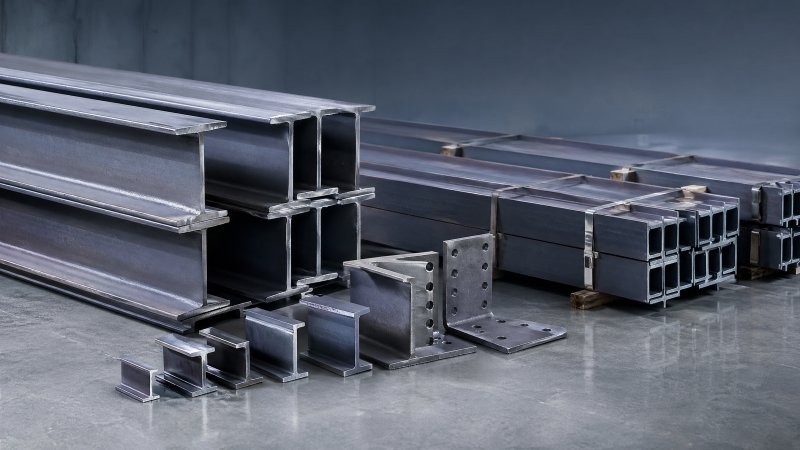
In structural steel projects, H-beam size is not only a drawing item. It directly influences load capacity, connection design, fabrication complexity, transport planning, and installation efficiency. A beam that is only one size step too small may require reinforcement plates, shorter spans, or design revision. A beam that is too large can increase steel tonnage, lifting demand, and foundation load. In most cases, cost overruns appear in 3 stages: design adjustment, procurement change, and site execution.
For project managers, technical evaluators, and procurement teams, the real problem is that H-beam size mistakes often start early. Many buyers focus on price per ton, but not on section efficiency, steel grade compatibility, or code-based load assumptions. When these details are missed during the inquiry stage, the project may later face 7–15 days of redesign, extra freight charges, and idle labor on site.
This is especially important in export sourcing. A structural steel manufacturer must not only supply standard beams, but also help confirm whether ASTM, EN, JIS, or GB dimensions match the project design basis. Hongteng Fengda supports this process by providing structural steel products, customized components, and specification coordination for global buyers who need both technical reliability and dependable lead times.
A practical way to understand cost risk is to separate visible cost from hidden cost. Visible cost includes tonnage and unit price. Hidden cost includes welding rework, connection mismatch, inspection delay, coating waste, and schedule disruption. In steel construction, hidden cost can exceed the original material saving if the H-beam size was chosen without checking span, load path, and connection details.
The 4 cost layers behind one sizing error
- Material layer: under-sizing may require extra stiffeners, cover plates, or secondary members; over-sizing increases steel tonnage and coating area.
- Fabrication layer: larger sections may need heavier handling equipment, longer welds, or different cutting setups in the workshop.
- Logistics layer: certain beam lengths and section weights can change container loading plans, truck selection, and unloading methods.
- Site layer: wrong member size can affect bolt hole alignment, erection sequence, crane time, and inspection approval.
The table below shows how one H-beam size decision can influence several downstream budget items. It is useful for engineering teams, buyers, and financial approvers who need a broader cost view before placing an order.
The key message is simple: the cheapest H-beam per ton is not always the lowest project-cost option. A better choice is the section that balances code compliance, fabrication practicality, logistics efficiency, and final installed cost.
What are the most common H-beam size mistakes in steel projects?
The most frequent mistake is selecting H-beam size by habit instead of by project condition. Some teams reuse a previous section because it worked on another warehouse, platform, or mezzanine. But a difference in span, live load, wind condition, seismic requirement, or connection type can make that earlier choice unsuitable. Even a 1-project difference in application can change the correct section range.
The second mistake is mixing standards without full dimensional verification. ASTM, EN, JIS, and GB sections may appear similar in nominal size, but flange width, web thickness, root radius, and theoretical weight can differ. If a project drawing is based on one standard and the supplier quotes another without confirmation, connection plates and hole positions may need modification after fabrication starts.
A third mistake is focusing only on strength while ignoring serviceability. An H-beam may pass basic load capacity checks, but still create excessive deflection, vibration, or alignment issues. This matters in industrial platforms, equipment frames, and long-span commercial structures where user comfort, machine stability, or panel alignment is critical. In many projects, deflection limits can be just as important as strength limits.
The fourth mistake is not coordinating H-beam size with fabrication and site constraints. A section may be structurally efficient, but difficult to galvanize, drill, weld, transport, or lift under local conditions. For export projects, practical review should cover 4 checkpoints: section availability, production lead time, container loading, and site installation equipment.
Mistakes that often create avoidable cost
1. Choosing only by unit price
A lower unit price may hide higher cutting waste, more complex joints, or additional support members. Procurement should compare at least 3 dimensions: price per ton, fabricated cost per member, and installed cost per frame.
2. Ignoring connection details
Beam depth and flange thickness affect end plates, bolt spacing, stiffeners, and welding sequence. If these details are not reviewed together, connection redesign can delay approval for 1–2 weeks.
3. Buying from incomplete technical data
Some inquiries list only beam size and quantity, without steel grade, standard, length tolerance, surface condition, or end preparation. This creates quotation gaps and raises the chance of mismatch after production.
The comparison table below helps teams identify where H-beam size mistakes usually start and what they should validate before final approval.
For distributors, contractors, and end users, this validation step reduces sourcing risk. It also improves quote comparability when multiple mills or exporters provide offers based on different standards or processing assumptions.
How should buyers evaluate H-beam size before ordering?
A strong purchasing decision starts with a complete technical brief. At minimum, buyers should confirm 6 items before asking for a final quotation: design standard, steel grade, section standard, span or member function, connection type, and surface treatment. If one of these is missing, price comparison can become misleading because suppliers may base the quote on different assumptions.
For project owners and finance approvers, the goal is not to review every calculation. The goal is to make sure the offered H-beam size is traceable to project need. A clear approval flow often has 3 steps: engineering confirmation, commercial alignment, and delivery review. This process helps prevent change orders after production begins.
Quality and safety teams should also verify tolerances and compliance documents. In structural steel supply, acceptable documentation may include mill test data, dimensional inspection records, and standard references under ASTM, EN, JIS, or GB where applicable. If galvanizing or painting is required, coating scope should be confirmed before fabrication to avoid rehandling and surface repair later.
Midway through many industrial projects, buyers also need supporting materials that match the same reliability mindset. For lifting, crane, port, mining, or severe-corrosion environments, related components such as Galvanized Steel Wire Rope 1470Mpa to 1960Mpa may be reviewed together with structural steel packages. Available in common constructions such as 6X7+FC, 6X19+IWR, and 8x19S+FC, with diameters from 1.0 mm to 22 mm and options including plain, electro galvanized, and hot dipped galvanized finishes, it suits applications from elevators and cranes to drilling, railways, and photovoltaic infrastructure where corrosion level and tensile class must be matched carefully.
A practical 5-point selection checklist
- Confirm section basis: ask whether the beam is quoted to ASTM, EN, JIS, or GB dimensions, not just by a similar nominal name.
- Review load and span logic: verify whether the section was chosen for bending, axial load, combined load, or platform vibration control.
- Check processing scope: define cutting, hole making, welding, galvanizing, primer, and marking requirements before production.
- Validate delivery plan: standard mill supply and processed members may have different lead times, often in the range of 2–6 weeks depending on quantity and finishing.
- Compare total landed cost: include freight, packing, container use, and site handling instead of comparing material price only.
The next table can be used by procurement, engineering, and commercial teams to align quotation review. It is especially useful for multinational sourcing where standard equivalency and processing scope can vary.
When these points are aligned early, buyers reduce the risk of ordering the wrong H-beam size, the wrong standard, or the wrong fabrication condition. This also helps suppliers return faster and more accurate quotations.
How do standards, fabrication, and logistics influence the right H-beam size?
Correct H-beam size selection does not end with structural capacity. It should also fit the practical route from mill to site. For example, a member that is efficient on paper may become costly if its shipping length reduces container utilization or if its weight requires special unloading equipment. For many export orders, freight efficiency and handling method can change the preferred section strategy.
Standards matter because they define geometry and tolerances. If a project requires compatibility with ASTM-based detailing but the supplied section follows another series, web thickness and flange width differences can affect plate nesting, stiffener fit, and bolt edge distance. These are not theoretical problems. They appear in fabrication shops and site assembly checks very quickly.
Fabrication planning should cover cutting accuracy, hole position, weld accessibility, coating sequence, and member identification. In practical supply, many projects use a 4-step execution path: material confirmation, shop drawing review, production and inspection, then packing and delivery. If beam size is revised during step 3, schedule loss becomes more expensive than an early engineering review.
Hongteng Fengda serves customers across North America, Europe, the Middle East, and Southeast Asia with standard structural steel products and customized solutions. This is valuable when a buyer needs not only H-beams, but also angle steel, channel steel, cold formed profiles, or OEM structural components that must align under one technical package and one delivery schedule.
What project teams should verify before release to production
- Member lengths and packing logic, especially when shipment requires container optimization or mixed loading with other steel items.
- Coating route and corrosion environment, because galvanized, painted, or bare steel may change preparation scope and handling sequence.
- Inspection and compliance expectations, including dimensional checks, grade traceability, and documentation needed by the buyer or project consultant.
- Tolerance compatibility between beam sections and connected plates, channels, angles, or other profile systems within the same structure.
These reviews are particularly important for distributors and agents who resell into multiple markets. A technically complete quote protects margin because it reduces after-sale disputes, claims for mismatch, and unplanned replacement orders.
FAQ: what do buyers, engineers, and project teams ask most often?
How do I know if an H-beam is too small or simply optimized?
A beam is optimized when it satisfies both strength and serviceability requirements under the applicable design standard while remaining practical for fabrication and installation. It is too small when it needs extra reinforcement, fails deflection expectations, or creates connection restrictions. Ask your supplier or engineer to review 3 points together: load case, span, and connection method.
Is it risky to source H-beams from China for international projects?
The real risk is not country of origin alone. The key issue is whether the manufacturer can supply according to the required standard, provide stable quality control, and communicate clearly on dimensions, grade, and processing. A reliable Chinese structural steel exporter should be able to support ASTM, EN, JIS, and GB-related requirements where applicable, and explain what is standard supply versus customized fabrication.
What should procurement ask before comparing quotations?
At minimum, request the same basis from all suppliers: beam standard, steel grade, processing scope, coating requirement, quantity, lengths, inspection documents, and delivery term. Without this, one quote may appear lower simply because it excludes drilling, galvanizing, or mark identification. In many cases, 5–8 missing technical lines in the RFQ create major comparison errors.
How long does H-beam supply usually take?
Lead time depends on whether the order is mill standard or processed structural steel. Common ranges can be around 2–4 weeks for standard availability and 3–6 weeks or more for customized cutting, drilling, welding, and coating, depending on quantity, inspection scope, and shipping plan. Early drawing confirmation usually saves more time than late expediting.
Why choose a structural steel partner that supports both sizing judgment and supply execution?
If your team is evaluating H-beam size for a warehouse, industrial frame, platform, infrastructure package, or mixed structural steel order, the best supplier is not just the one with available stock. The better partner helps you confirm section standard, steel grade, processing details, and delivery fit before production starts. That reduces sourcing risk and protects project cost from avoidable changes.
Hongteng Fengda provides angle steel, channel steel, steel beams, cold formed steel profiles, and customized structural steel components for global construction, industrial, and manufacturing projects. With modern manufacturing facilities and strict quality control, the company supports buyers who need stable production capacity, consistent quality, and dependable lead times across standard and OEM supply.
You can contact the team for practical support on 6 key topics: H-beam size confirmation, standard matching between ASTM/EN/JIS/GB, product selection for related structural items, processing scope review, delivery cycle estimation, and quotation comparison on a like-for-like basis. This is especially useful when your project must balance technical safety, commercial timing, and budget control.
If you want to reduce redesign risk before ordering, send your beam list, drawings, required standards, target market, and surface treatment needs. A structured review can help you confirm whether the selected H-beam size is appropriate, whether customization is required, and what lead time and documentation should be prepared for smoother project execution.
Please give us a message


Please enter what you want to find