Buying flat rolled steel coil seems straightforward, but common sourcing mistakes can lead to quality issues, delays, and higher costs. From confusing steel cold rolled coil specifications to overlooking standards, coating, and processing needs, buyers must evaluate more than price. This guide explains the key errors to avoid and how reliable structural steel suppliers in China can support safer, smarter purchasing decisions.
For most buyers, the biggest risk is not paying a little more for steel coil. It is buying the wrong specification, approving incomplete technical details, or choosing a supplier that cannot consistently meet standards, lead time, and documentation requirements. Whether you are a procurement manager, engineer, distributor, project owner, or quality inspector, the smartest purchasing decision comes from matching the coil to the actual application, processing method, compliance needs, and total delivered cost.
Why Buyers Make Costly Mistakes When Purchasing Flat Rolled Steel Coil
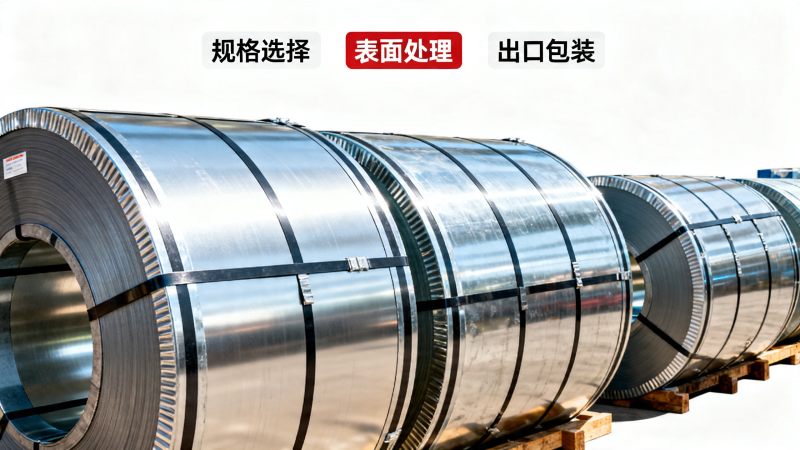
Many sourcing problems happen before production even starts. A buyer may request a quote using only thickness and width, compare offers based only on price per ton, or assume all flat rolled steel coil products are equivalent. In practice, coil buying involves a combination of material grade, dimensional tolerance, surface condition, mechanical performance, standards compliance, packaging, processing suitability, and delivery reliability.
The core search intent behind this topic is practical: buyers want to avoid mistakes that lead to rejected material, production inefficiency, quality claims, and budget overruns. They are not just looking for definitions. They want to know what can go wrong, how to evaluate suppliers, and how to reduce sourcing risk before placing an order.
For technical teams, the concern is whether the steel will perform correctly in bending, welding, forming, cutting, or structural use. For procurement and commercial teams, the concern is whether the quote is complete and comparable. For decision-makers and finance approvers, the focus is total cost, claim risk, project impact, and supplier reliability. A useful buying guide must address all of these concerns directly.
Mistake 1: Focusing on Price Instead of Total Delivered Value
The lowest quote is often not the lowest real cost. A cheaper coil can become more expensive if it causes low yield, poor flatness, scrap, coating failure, rework, project delay, or compliance problems. Many buyers compare suppliers based only on base steel price while overlooking:
- Actual grade and standard equivalency
- Thickness and width tolerance
- Coil weight suitability for handling equipment
- Surface finish and oiling condition
- Processing compatibility
- Packing quality for export shipment
- Inspection records and mill test certificates
- Lead time stability and claim handling
A better sourcing approach is to compare total delivered value. Ask what the steel will cost after freight, inland transport, customs, inspection, yield loss, and processing performance are considered. If one supplier offers slightly higher pricing but far better consistency and documentation, that supplier may create lower total procurement cost.
Mistake 2: Using Incomplete or Vague Specifications
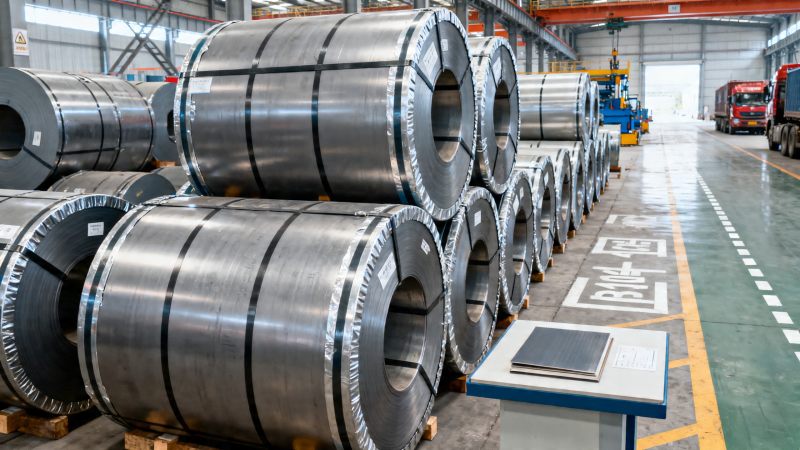
One of the most common flat rolled steel coil buying mistakes is sending an inquiry with only basic dimensions. This creates quotation gaps, supplier assumptions, and later disputes. A complete purchase specification should normally include:
- Steel grade
- Applicable standard such as ASTM, EN, JIS, or GB
- Thickness and width
- Coil weight range
- Inner diameter or packaging requirements if relevant
- Surface condition: black, oiled, galvanized, coated, or painted
- Mechanical property expectations
- Intended application and downstream processing
- Inspection and certification requirements
- Special processing such as decoiling, cutting, punching, or flattening
If the material will be used in construction machinery, building structures, or pressure vessels, the specification must reflect those end uses. Even a good supplier cannot guarantee performance if the buyer provides incomplete requirements.
This is especially important when sourcing cold rolled material with higher expectations for dimensional consistency and surface quality. A buyer who clearly defines application needs can avoid under-specifying the order and receiving steel that is technically acceptable on paper but unsuitable in production.
Mistake 3: Confusing Standards, Grades, and Real Performance Requirements
Many international buyers assume similar grade names mean identical performance. They do not always. Equivalent or near-equivalent grades across ASTM, EN, JIS, and GB may differ in chemistry range, yield behavior, tensile strength, toughness, or forming response. This can lead to serious errors in substitution.
For example, if your project requires high strength, good weldability, and reliable workability, the evaluation should go beyond grade label alone. You should verify:
- Mechanical properties required by the project
- Whether the chosen grade is appropriate for welding and forming
- Whether toughness or strength retention matters in service conditions
- Whether the standard cited by the supplier matches the approved project standard
- Whether documentation will include MTC and third-party inspection if required
Midway through evaluation, buyers often benefit from reviewing a concrete product example rather than treating all coil products generically. For applications requiring a balance of high strength, enhanced toughness, good workability, and weldability, Steel Cold Rolled Coil in Q355 carbon steel may be suitable for uses such as construction machinery, building structures, and pressure vessels. Available specifications can include thickness from 0.12-12mm, width from 600-2000mm, and coil weight from 3-20 tons, with optional surface conditions such as black, galvanized, coated, oiled, or painted. Depending on project needs, buyers may also require added processing services like bending, welding, decoiling, cutting, punching, perforation, special-size cutting, flatness adjustment, or surface treatment. Standards and documents such as ASTM A36/A36M-08, JIS G3101-2004, EN 10025-2, GB/T 700-2006, MTC, ISO, SGS, and BV should be checked against the actual order requirement rather than assumed.
Mistake 4: Ignoring Surface Condition, Coating, and Processing Needs
A flat rolled steel coil that meets grade requirements can still fail in actual use if the surface condition is wrong. This is a major issue for buyers who need painting, galvanizing, forming, laser cutting, or direct fabrication.
Common oversights include:
- Ordering black surface when corrosion protection is needed
- Not specifying oiling level for storage or transit protection
- Choosing coated material without confirming coating type and end-use compatibility
- Ignoring flatness requirements for automated fabrication lines
- Not confirming whether the coil will crack, deform, or lose finish during bending or punching
Surface and processing requirements should be discussed before order confirmation, not after delivery. If the material will be decoiled and cut into sheets, punched into components, or welded into assemblies, those production steps should be shared with the supplier early. This helps prevent mismatch between the supplied coil and the user's manufacturing process.
Mistake 5: Overlooking Supplier Capability, Quality Control, and Export Support
Even if the product specification is correct, weak supplier execution can still cause serious problems. Buyers should assess whether the manufacturer or exporter can consistently deliver the required quality, quantity, and timeline.
Key supplier evaluation points include:
- Production capacity and schedule stability
- Experience with export packing and international shipment
- Quality control system and inspection process
- Ability to meet ASTM, EN, JIS, and GB requirements
- Document support including MTC and third-party testing
- Response speed to technical clarification and claims
- Ability to provide OEM or customized structural steel solutions
For global buyers, working with experienced structural steel suppliers in China can reduce sourcing risk when the supplier combines manufacturing capability, strict quality control, and export experience. A reliable partner should not only quote material but also help confirm standards, dimensions, fabrication suitability, and shipment planning.
Mistake 6: Failing to Check Logistics, Packaging, and Handling Constraints
Some steel coil orders become problematic only after production because the buyer did not verify how the material would be packed, loaded, handled, and used at destination. Coil weight that is too high for local equipment, poor moisture protection during sea transport, or inadequate edge protection can create loss even when the steel itself is acceptable.
Before placing the order, confirm:
- Coil weight range fits warehouse and plant handling capacity
- Packing is suitable for long-distance export shipment
- Protection is adequate against rust, impact, and deformation
- Container loading plan matches destination unloading conditions
- Delivery schedule aligns with project sequence and inventory strategy
These details matter to project managers, warehouse teams, distributors, and end users because logistics problems often become hidden cost drivers.
How to Buy More Safely: A Practical Checklist Before You Place the Order
To avoid the most common flat rolled steel coil buying mistakes, buyers should use a simple pre-order review process:
- Define the application clearly, including fabrication and service conditions.
- Confirm grade, standard, and mechanical property requirements.
- Specify dimensions, tolerance expectations, and coil weight range.
- State surface condition, coating, and corrosion protection needs.
- Check whether bending, welding, cutting, decoiling, or punching will be required.
- Request MTC, inspection records, and any third-party certification needed.
- Review packing, shipping method, and delivery schedule.
- Compare suppliers on total value, not unit price alone.
- Ask how claims, replacements, and technical support are handled.
- Approve a final technical datasheet before production starts.
This process is useful for both large project procurement and recurring distribution purchases. It improves internal communication between engineering, procurement, quality, finance, and operations teams while reducing the chance of ordering errors.
Conclusion: The Best Steel Coil Purchase Is the One That Prevents Problems
Flat rolled steel coil sourcing mistakes usually come from incomplete information, weak supplier evaluation, and overemphasis on initial price. Buyers who take time to verify standards, processing needs, surface condition, documentation, packaging, and delivery capability make better commercial and technical decisions.
The most important takeaway is simple: buy for application fit and supply reliability, not for headline price alone. When your supplier understands international standards, supports customized requirements, and maintains stable quality control, the result is safer procurement, lower hidden cost, and fewer project disruptions.
For companies sourcing from China, choosing an experienced structural steel manufacturer and exporter with dependable production, quality management, and global delivery support can significantly improve purchasing outcomes over the long term.
Please give us a message


Please enter what you want to find