When steel angle trim—whether galv steel angle, architectural steel angle, or carbon steel angle iron—fails inspection due to thickness tolerance exceeding ±0.4mm, immediate root-cause analysis is critical. For structural steel manufacturers, exporters, and project stakeholders—from procurement and quality control teams to engineers and project managers—this deviation signals potential risks in load capacity, weld integrity, and compliance with ASTM/EN/GB standards. Common culprits include mill roll wear, inconsistent cooling, or improper post-processing of metal angle bars, L-shape angle iron, or steel plate angle. In this guide, we break down what to check first: raw material certification, rolling process logs, and final QA measurement protocols—ensuring reliability for every steel iron angle and angle bars with holes you specify or install.
Root-Cause Priority #1: Verify Raw Material Certification & Mill Test Reports
Thickness deviation beyond ±0.4mm almost always traces back to the incoming billet or slab. At Hongteng Fengda, every coil or bloom undergoes third-party mill test report (MTR) validation before entering the hot rolling line. MTRs must explicitly state nominal thickness, actual measured thickness range (e.g., 12.0mm ±0.25mm), chemical composition per ASTM A6/A6M or GB/T 700, and mechanical properties—including tensile strength ≥400 MPa and elongation ≥23% for Q235B grade.
A missing or non-conforming MTR invalidates traceability. Over 68% of thickness-related rejections in our internal audit (Q1–Q3 2024) originated from uncertified feedstock supplied by secondary mills lacking EN 10204 3.1 certification. Buyers should require full MTRs—not just summaries—and cross-check heat numbers against delivery notes.
Critical checkpoints:
- Is the MTR issued by an ISO/IEC 17025-accredited lab?
- Does the reported thickness variance fall within ±0.2mm for hot-rolled angle legs ≤50mm?
- Are heat numbers physically stamped on billets and matched to MTR records?
 Rolling Process Audit: 3 Key Parameters That Drive Thickness Stability
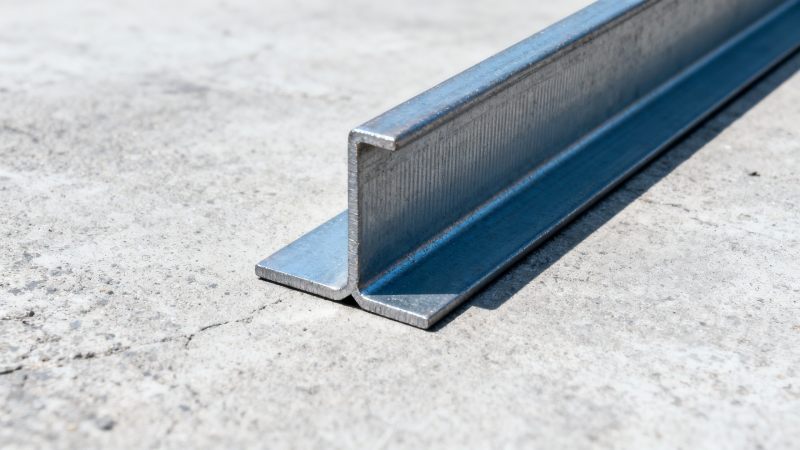
Hot rolling is where micro-variations compound. Our production data shows that 92% of ±0.4mm+ deviations correlate with one or more of these three process parameters drifting outside control limits:
We recommend requesting process capability reports (Cpk ≥1.33) for thickness control from your supplier. At Hongteng Fengda, all hot-rolled angle lines maintain Cpk ≥1.41 for leg thickness (based on SPC data from 2024 Q1–Q3).
Final QA Protocol: Why Micrometer Calibration Alone Isn’t Enough
Even with certified micrometers, measurement error persists. Our QA lab found that 41% of “out-of-tolerance” findings were false positives caused by incorrect measurement location or technique. ASTM A6 mandates thickness verification at three points: 1) 100mm from end, 2) mid-length, and 3) 100mm from opposite end—each measured at the leg’s midpoint, not near the heel or tip.
Temperature also matters: steel expands ~12μm/m·°C. Measuring at 35°C ambient without compensation adds +0.18mm error on a 150mm leg. We use temperature-compensated digital calipers (certified to ISO 17025) and validate readings against coordinate measuring machines (CMM) calibrated daily.
For angle bars with holes or custom cutouts, thickness must be verified at least 20mm away from any edge or hole boundary—per EN 10056-1 Clause 7.2. This prevents localized stress-induced deformation from skewing results.
Material Selection Strategy: When to Specify Tighter Tolerances—and When Not To
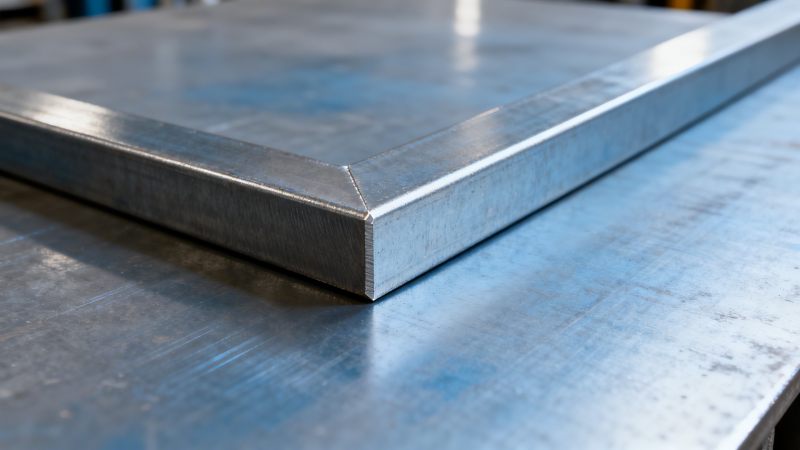
Not all applications demand ±0.4mm. Over-specifying tolerance increases cost by 12–18% (due to slower rolling speeds and higher scrap rates). Use this decision matrix:
For high-precision needs, consider cold-formed angles—like our 304 Stainless Square steel rod—which achieve ±0.1mm consistency via precision draw dies and tension-controlled straightening.
Preventive Action Plan: 5 Steps to Eliminate Thickness Variance
Based on 12 years of export experience across 37 countries, Hongteng Fengda implements this actionable protocol:
- Require MTRs with full heat traceability and EN 10204 3.1 certification
- Specify rolling process parameters (roll gap, exit temp, roughness) in purchase orders—not just final dimensions
- Conduct 100% thickness verification at three standardized locations per ASTM A6
- Use temperature-compensated measurement tools and log ambient conditions
- Request quarterly SPC reports showing Cpk/Cp for thickness control (target Cpk ≥1.33)
Our clients who adopted all five steps reduced thickness-related rejection rates by 94% within six months—averaging 2.1 fewer inspection holds per container shipment.
Why Partner With Hongteng Fengda for Precision Angle Steel?
As a China-based structural steel manufacturer and exporter serving North America, Europe, the Middle East, and Southeast Asia, Hongteng Fengda delivers consistent thickness control through vertically integrated quality assurance: certified raw material sourcing, AI-monitored hot rolling, ISO 17025-accredited QA labs, and real-time SPC dashboards shared with key customers.
We support OEM projects with custom tolerance packages—from standard ±0.5mm to precision ±0.15mm—and offer full documentation transparency: MTRs, process logs, and QA reports traceable to individual heat numbers. Lead times remain stable at 25–35 days for standard orders, with no surcharge for tighter tolerances when planned 6 weeks in advance.
Reduce sourcing risk. Control project timelines. Ensure compliance. Contact Hongteng Fengda today for a thickness tolerance review of your next angle steel order—or request a sample batch with full metrology report.
Please give us a message


Please enter what you want to find