When a steel rebar supplier begins to slip on delivery, the issue is rarely “just logistics.” In most cases, early delays point to deeper risks in production planning, raw material procurement, quality release, or export coordination. For contractors, procurement teams, engineers, and project owners, spotting these warning signs early can prevent site stoppages, cost overruns, rushed substitutions, and compliance problems. If you are comparing steel rebar cost, steel rebar for construction availability, or even related inputs such as carbon steel price and steel plate for construction, the most practical question is this: can the supplier still deliver reliably when your schedule depends on it?
The short answer is yes—if you know what signals to watch. This article explains the most important early signs of steel rebar supplier delays, why they happen, and how buyers can evaluate supplier reliability before the problem reaches the jobsite.
Why small supplier delays become major construction risks
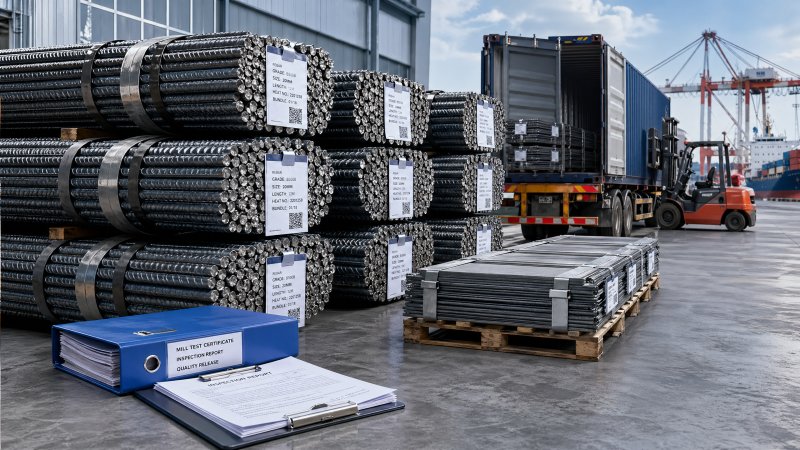
Rebar is a schedule-sensitive material. Unlike some general steel products that can be stocked or replaced more flexibly, reinforcing steel often ties directly to foundation work, formwork sequencing, concrete pouring windows, labor planning, inspection timing, and safety controls. A delay of only a few days can create a chain reaction:
- Idle labor and equipment costs rise
- Concrete schedules need to be rescheduled
- Temporary storage or handling plans fail
- Cash flow pressure increases because downstream work pauses
- Emergency buying may force acceptance of higher prices or lower-quality alternatives
For project managers and procurement leaders, the real cost of delay is usually much higher than the original quoted rebar price. That is why early detection matters more than reacting after a missed shipment date.
Early signs your steel rebar supplier may be heading toward delay
Most supplier delays give off signals before the official notice arrives. Buyers who track these indicators can act sooner and protect the project.
1. Quotation validity becomes unusually short
If a supplier that normally offers stable pricing suddenly limits quotes to 24–48 hours, it may indicate pressure from raw material volatility, uncertain mill allocation, or weak inventory visibility. This does not always mean the supplier is unreliable, but it does suggest that upstream supply is tightening.
2. Response times start getting slower
One of the earliest warning signs is communication drift. Technical clarifications, revised proforma invoices, production updates, or shipping confirmations begin taking longer than usual. Delayed replies often signal internal coordination problems, overloaded sales teams, or uncertainty the supplier is not yet ready to disclose.
3. Production schedules sound vague rather than specific
Reliable suppliers usually provide clear checkpoints: raw material booking, rolling schedule, cutting or processing, inspection, packing, and dispatch. If updates become overly general—such as “production is being arranged” or “shipment is under coordination”—buyers should ask for milestone-based confirmation.
4. Frequent changes in promised lead time
A supplier that first says 15 days, then 20, then “around 3 weeks” may not have secured actual production capacity. This often happens when a trader or weakly integrated supplier is trying to source after winning the order rather than producing against confirmed planning.
5. Incomplete or delayed quality documents
If mill test certificates, inspection records, grade confirmations, or standard compliance documents are slow to appear, the issue may extend beyond paperwork. In some cases, the supplier is still waiting on material reassignment, re-testing, or production release. For quality managers and safety teams, this is a major red flag.
6. Sudden requests to change specifications
Be cautious when a supplier proposes substitute diameters, equivalent grades, alternate lengths, or revised bundling arrangements without a strong technical reason. This can suggest stock shortages, production bottlenecks, or an attempt to fill orders with whatever is currently available.
7. Export and shipping details remain unclear
For international buyers, delayed booking of containers, missing packing lists, uncertain port schedules, or weak customs preparation can be signs that the order is not as ready as claimed. A dependable exporter should be able to explain what stage the goods have reached and what documents are already prepared.
What usually causes steel rebar supplier delays behind the scenes
Understanding the root causes helps buyers assess whether a delay is temporary and manageable or a sign of a larger reliability problem.
Raw material supply pressure
Changes in billet, scrap, or upstream carbon steel price can reduce supply stability. When mills face tight raw material conditions, smaller suppliers often struggle first.
Production capacity overload
Some suppliers accept more orders than their real rolling or processing capacity can support. This is common during peak construction seasons or when export orders rise sharply.
Weak quality control release
Materials may be physically produced but not released because of failed tests, missing documentation, dimensional deviations, or coating/marking issues. In steel products, quality delays often look like shipping delays from the buyer’s side.
Overdependence on third parties
Suppliers without strong in-house production or stable partner mills are more vulnerable to disruption. If they are relying on multiple outside processors, transport brokers, or temporary stock sources, the risk of schedule slippage increases.
Poor export execution
For overseas projects, delays can come from booking issues, packaging mistakes, customs filing errors, or non-compliant shipping documentation. A good product is not enough if export operations are weak.
How procurement teams can verify whether a delay risk is real
Buyers should avoid relying only on verbal reassurance. A better approach is to ask for evidence tied to actual order progress.
- Request milestone dates: raw material arrival, production slot, inspection date, packing completion, and estimated dispatch
- Ask for photos or videos: especially of marked bundles, production lines, or packed goods
- Check document readiness: mill certificates, commercial invoice, packing list, and compliance records
- Confirm logistics status: container booking, vessel schedule, truck arrangement, or warehouse release
- Compare current performance with past orders: consistency matters more than promises
For larger projects, it is also wise to create an internal supplier risk checklist covering lead time accuracy, communication quality, document responsiveness, technical compliance, and contingency capability.
How to reduce project exposure when delay signals appear
If warning signs are already visible, the goal is not just to pressure the supplier. It is to reduce your operational exposure.
Split critical orders by timeline
Instead of placing all volume into one shipment, allocate critical near-term quantities separately. This helps protect foundation or structural milestones even if later batches move more slowly.
Build realistic buffer time into procurement planning
For imported steel rebar for construction, estimated transit time should include inspection, packing, inland transport, port congestion, customs handling, and possible vessel rollover—not only nominal production days.
Pre-approve alternatives where possible
Engineering and QA teams can identify acceptable equivalent materials or secondary sources in advance. This reduces decision delays if substitution becomes necessary.
Evaluate supplier breadth, not only one product line
A supplier with broader structural steel manufacturing capability may be better positioned to support related material needs across a project. For example, some buyers sourcing structural components also review other building envelope materials from the same supply base, such as Color Coated Galvanized Steel Sheet PPGI for warehouses, industrial buildings, agricultural structures, or public facilities. Products like this, available in 0.2mm–1.2mm thickness with corrosion-resistant coating options and custom RAL finishes, can indicate whether a manufacturer has organized production systems, export experience, and stable quality control across multiple steel categories.
Use supplier scorecards for future sourcing decisions
Track actual versus promised lead time, issue resolution speed, quality document accuracy, and shipment consistency. This turns one project lesson into a better sourcing standard for the next one.
What a reliable steel supplier should be able to show you
Whether you are buying rebar, sections, beams, channels, or related construction steel products, trustworthy suppliers usually share several strengths:
- Clear and realistic lead times instead of aggressive promises
- Stable production capacity with visible scheduling discipline
- Compliance with standards such as ASTM, EN, JIS, or GB
- Fast access to inspection and quality documentation
- Export coordination that matches the needs of international projects
- Communication that stays consistent when conditions become difficult
For procurement and commercial evaluators, reliability is not only about who offers the lowest steel rebar cost. It is about who can reduce the total risk of ownership across schedule, quality, compliance, and project execution.
Final takeaway: watch behavior, not just price
Steel rebar supplier delays rarely arrive without warning. Short quote validity, slower replies, vague production updates, shifting lead times, document gaps, and unclear shipping arrangements are all early signs worth taking seriously. For construction buyers, engineers, and decision-makers, the best approach is to verify progress with evidence, build sourcing buffers, and choose suppliers with proven manufacturing and export discipline.
In practical terms, the cheapest offer can become the most expensive if it causes a site delay. A better buying decision comes from balancing price, lead time credibility, quality assurance, and execution capability. When you evaluate suppliers through that wider lens, you are far more likely to keep your project on schedule and your risk under control.
Please give us a message


Please enter what you want to find