Essential Tools for L Shape Angle Iron Installation
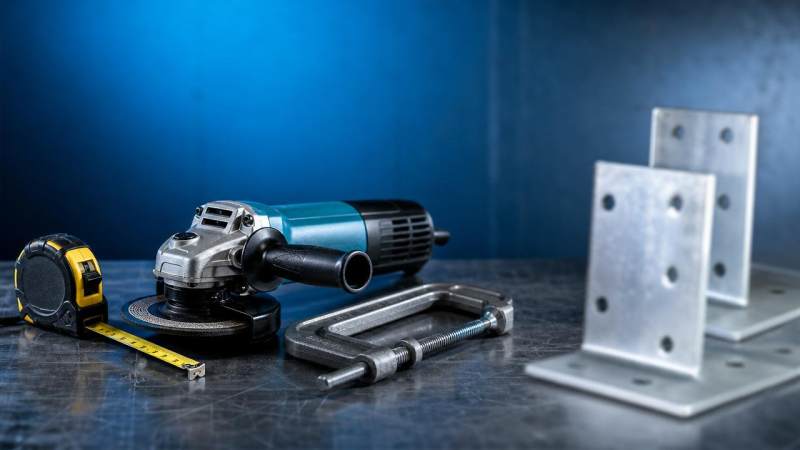
Installing L shape angle iron requires specific tools to ensure precision and safety. A basic toolkit should include: a tape measure (minimum 25ft/7.5m), 4-6 C-clamps (3-8" jaw capacity), a speed square, 1-2 levels (12" and 48" recommended), and a cordless drill with HSS drill bits (1/8" to 1/2" range). For cutting, opt for an angle grinder with metal cutting discs or a reciprocating saw with bi-metal blades.
For structural connections exceeding 10ft (3m) spans, consider adding temporary bracing clamps. Hongteng Fengda's angle iron products feature standardized hole patterns at 12" (300mm) intervals to simplify alignment - this pre-punched option reduces drilling time by approximately 40% for common framing applications.
Specialized Equipment for Heavy-Duty Projects
When working with thicker angle iron (1/4"+/6mm+), magnetic drill presses become essential for creating clean bolt holes. For projects involving Hot Rolled H Beam integration, ensure your tool inventory includes:
Step-by-Step Installation Process
Proper sequencing prevents alignment issues and structural weaknesses. Follow this 7-phase process when installing L shape angle iron:
Phase 1: Surface Preparation
Clean all contact surfaces with a wire brush to remove mill scale - this improves weld quality by 25-30% and enhances paint adhesion. For galvanized angle iron, use a dedicated zinc coating primer if welding is required.
Phase 2: Layout and Marking
Use soapstone or punch marks at maximum 24" (600mm) intervals along the length. For load-bearing connections, mark hole centers at least 1.5x the bolt diameter from edges (e.g., 3/8" bolt requires minimum 9/16" edge distance).
Phase 3: Temporary Fixing
Secure pieces with C-clamps spaced every 36-48" (900-1200mm). For vertical installations exceeding 6ft (1.8m), use at least two diagonal braces at 45° angles to prevent shifting during permanent fastening.
Common Installation Mistakes to Avoid
Over 60% of angle iron installation issues stem from these preventable errors:
- Insufficient edge distance (causes material cracking)
- Mixing dissimilar metals without isolation (galvanic corrosion risk)
- Over-tightening bolts (distorts angle iron shape)
- Improper weld sequencing (creates thermal distortion)
- Neglecting expansion gaps (minimum 1/8" per 10ft/3m required)
For critical structural applications, consider professional grade materials like Hot Rolled H Beam which offers superior load distribution characteristics for high-stress connections.
Safety Protocols and Best Practices
Implement these safety measures when handling L shape angle iron:
When working with lengths exceeding 10ft (3m), always have a second spotter present. For overhead installations, use properly rated lifting slings and maintain 3-point contact on ladders at all times.
For professional-grade structural solutions incorporating both angle iron and beam components, explore our engineered systems designed for optimal load transfer and installation efficiency. Contact our engineering team for project-specific recommendations.
Please give us a message


Please enter what you want to find