How to Cut Metal Angle Bars Safely and Efficiently?
Cutting metal angle bars requires precision, safety awareness, and proper techniques to ensure structural integrity in your projects. As a leading structural steel manufacturer, Hongteng Fengda shares professional insights on how to cut angle bars efficiently while maintaining workplace safety. This guide covers essential tools, step-by-step methods, and expert tips to help project managers achieve clean cuts and optimal results for construction or manufacturing applications.
Understanding the Basics of Metal Angle Bars
Metal angle bars, also known as L-shaped profiles, are widely used in construction and industrial projects for framing, bracing, and support. Their 90-degree design provides excellent load-bearing capacity and structural stability. Before cutting, it's crucial to verify the material grade, thickness, and intended application to select the appropriate cutting method.
Essential Tools for Cutting Angle Bars
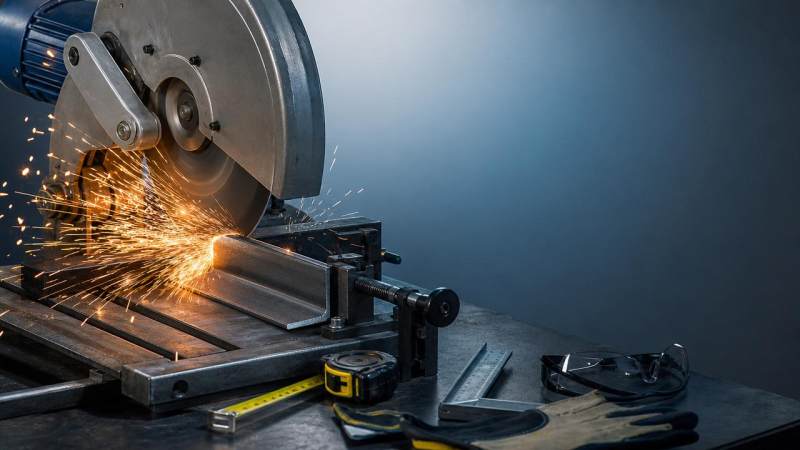
Project managers must ensure their teams have the right equipment for clean, accurate cuts. For thin gauge angle bars (up to 1/4 inch), electric metal shears or nibblers provide clean cuts without distortion. Medium thickness bars (1/4 to 1/2 inch) typically require power tools like angle grinders with metal-cutting discs or reciprocating saws with bi-metal blades. For heavy-duty applications, cold saws or band saws deliver precision cuts with minimal heat distortion.
Step-by-Step Cutting Process for Optimal Results
Begin by marking the cut line clearly using a permanent marker or scribe. Secure the angle bar firmly in a vise or clamp to prevent movement during cutting. When using power tools, maintain steady pressure and let the tool do the work - forcing the cut can damage both the tool and material. For structural applications where precision matters, consider professional cutting services from suppliers like C-Shaped Steel manufacturers who offer pre-cut components with factory-level accuracy.
Safety Protocols Every Project Team Must Follow
Cutting metal generates sparks, sharp edges, and potentially hazardous fumes. Mandatory safety gear includes ANSI-approved safety glasses, heavy-duty gloves, hearing protection, and flame-resistant clothing. Ensure proper ventilation when working indoors and keep a fire extinguisher nearby. For large-scale projects, establish a designated cutting area with clear safety boundaries and emergency protocols.
Minimizing Material Waste and Cost Control
Effective project management requires optimizing material usage. Plan cuts to maximize yield from each angle bar length, considering standard stock sizes (typically 20ft or 6m). For repetitive cuts, use jigs or templates to maintain consistency. When working with premium-grade steel components like those used in C-Shaped Steel applications, even small improvements in cutting efficiency can significantly impact project budgets.
Post-Cutting Processing and Quality Checks
After cutting, inspect each piece for burrs or sharp edges that require deburring. For structural connections, ensure cut ends are square and clean for proper welding or bolting. Document cutting tolerances (typically ±1/16" for most applications) and verify against project specifications. Consider galvanizing or painting cut ends when working with pre-finished materials to maintain corrosion resistance.
When to Consider Professional Cutting Services
For complex projects requiring numerous precise cuts or specialized profiles, partnering with an experienced structural steel manufacturer often proves more cost-effective than on-site cutting. Professional facilities offer computer-controlled cutting equipment, quality assurance processes, and can deliver pre-cut components ready for installation, saving valuable project time.
Conclusion: Balancing Efficiency and Precision
Proper cutting techniques directly impact project timelines, material costs, and structural performance. By selecting appropriate tools, following safety protocols, and implementing quality control measures, project managers can ensure their teams handle metal angle bars efficiently. For critical applications or large volumes, consult with structural steel experts to determine whether on-site cutting or pre-cut components offer better value for your specific project requirements.
Please give us a message


Please enter what you want to find