Many homeowners ask whether ss pipe for water supply is truly safe for long-term use. With its corrosion resistance, clean surface, and strong durability, stainless steel piping is widely considered a reliable option for residential and commercial water systems. In this article, we’ll explore its safety, performance, and key factors to consider before choosing it for your water supply needs.
What makes ss pipe for water supply a long-term safe choice?
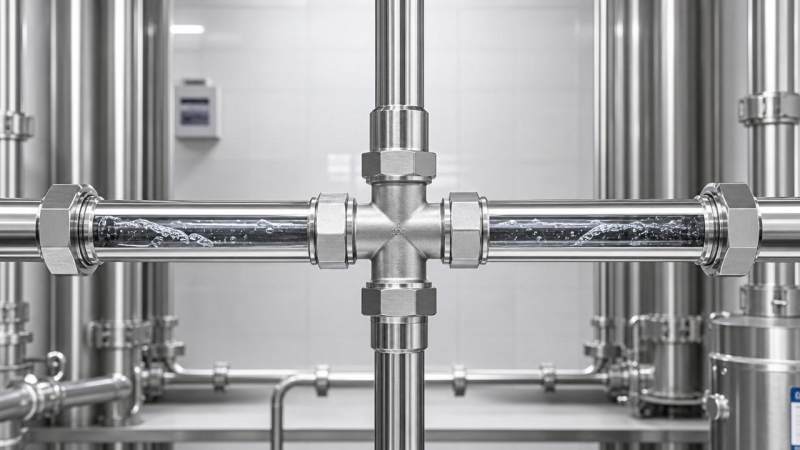
When people evaluate ss pipe for water supply, the first concern is usually health safety. In practical terms, stainless steel is considered safe because it has a stable surface, strong resistance to rust, and low risk of contaminating clean water when the correct grade is selected and properly installed.
For homes, apartments, and light commercial buildings, long-term safety depends on more than the pipe material alone. Water chemistry, welding quality, fitting compatibility, pressure conditions, and local standards all affect service life. A good stainless solution performs well, but a poor design can still create future maintenance issues.
This is why buyers should move beyond a simple yes-or-no question. Instead of only asking whether ss pipe for water supply is safe, it is smarter to ask under what conditions it remains safe for decades, and how to avoid the common selection mistakes that shorten pipeline life.
- It resists internal corrosion better than many traditional metal pipes in clean water systems.
- Its smooth surface helps reduce dirt retention and supports cleaner water flow.
- It offers good strength under pressure, making it suitable for long service cycles.
- It performs well in both exposed and concealed installations when matched with proper fittings.
Why stainless steel is different from ordinary steel pipes
Ordinary carbon steel can corrode quickly when constantly exposed to water and oxygen. Stainless steel contains chromium, which helps form a protective passive layer on the surface. That layer is the key reason many consumers prefer stainless materials for drinking water lines, hot water loops, and long-term renovation projects.
In the broader steel industry, this focus on surface protection is also why coated products are widely used in construction. For example, in roofing, wall systems, and fabrication support parts, corrosion-resistant materials such as AZ150 Galvalume Steel Coil are valued for paintability, workability, and long service life in exposed environments. While coil products and stainless water pipes serve different applications, the buyer logic is similar: long-term reliability starts with choosing the right steel solution for the environment.
How does ss pipe for water supply compare with other common piping materials?
Most homeowners do not compare stainless steel in isolation. They compare it with PVC, PPR, copper, galvanized steel, or carbon steel. The right choice often depends on water quality, budget, installation conditions, and expected service life.
The table below helps clarify how ss pipe for water supply performs against commonly used alternatives in residential and light commercial systems.
For buyers focused on durability and clean water delivery, stainless steel stands out. The tradeoff is a higher upfront investment. However, many end users accept that cost when they want fewer replacement risks, better pressure reliability, and a more premium plumbing system.
Where stainless performs especially well
- Homes using pressurized booster systems that require stronger pipe walls.
- Buildings with mixed hot and cold water circuits where dimensional stability matters.
- Projects where owners want a longer replacement cycle and lower risk of hidden corrosion.
- Installations where visible piping appearance also matters, such as high-end renovations.
What factors decide whether ss pipe for water supply stays safe over time?
Not every stainless pipe performs the same way. Long-term safety depends on a combination of material grade, fabrication quality, and operating environment. This is where many consumers feel uncertain, because the market often focuses on price more than technical fit.
The following table highlights the main evaluation points before purchasing ss pipe for water supply for a home or building project.
The biggest lesson is simple: long-term safety is not only about choosing stainless steel, but about choosing the correct stainless steel. A reliable supplier should explain grade options, pressure suitability, and compliance details rather than pushing a generic pipe for every application.
Common risks that reduce service life
- Using a lower grade in water with higher chloride content.
- Mixing incompatible fittings that create galvanic corrosion points.
- Choosing pipe thickness only by price, not by pressure requirement.
- Ignoring installation cleanliness during welding, threading, or joining.
- Buying from suppliers who cannot clearly identify standards or traceability.
How should homeowners and project buyers choose the right stainless pipe?
For end consumers, the challenge is usually not understanding steel chemistry. The real challenge is turning a technical product into a practical buying decision. A clear selection process can reduce both overspending and under-specification.
A simple buying checklist
- Define the use: drinking water, hot water, outdoor line, concealed line, or mixed system.
- Check the building condition: house, apartment, villa, commercial shop, or light industrial service area.
- Confirm the local water condition, especially chloride level if known.
- Request size, wall thickness, and standard details in writing.
- Ask the supplier about fitting systems, installation method, and delivery support.
- Compare lifecycle cost, not only initial material price.
If you are sourcing for a full building package, it also helps to work with a steel supplier that understands broader construction coordination. Hongteng Fengda serves global construction, industrial, and manufacturing projects with structural steel products, customized solutions, and controlled production processes. That supply discipline matters because many buyers want fewer sourcing risks, more stable quality, and dependable lead times across steel-related procurement.
Although structural products such as angle steel, channel steel, steel beams, and cold formed profiles differ from plumbing materials, the same procurement principles apply: clear standards, controlled manufacturing, consistent specifications, and practical communication. Buyers benefit when a supplier speaks in project terms instead of only quoting a unit price.
Why standards matter during selection
International buyers often look for products aligned with ASTM, EN, JIS, or GB requirements because these frameworks improve consistency in dimensions, mechanical properties, tolerances, and inspection language. A supplier familiar with multi-standard production is usually better prepared to support export projects, technical clarification, and substitute material review.
That same manufacturing discipline is visible in other steel products as well. For example, coated coils such as AZ150 Galvalume Steel Coil are selected by buyers who need specific coating ranges such as AZ30-AZ275, thickness from 0.125-2.0 mm, width from 30-1500 mm, and surface conditions like chromated, oiled, dry, or AFP. It is a useful reminder that technical details are not paperwork alone; they directly affect service life and project results.
Is ss pipe for water supply worth the cost compared with cheaper options?
Price is often the deciding factor for homeowners. Stainless steel usually costs more upfront than many plastic pipe systems and some conventional metal options. Still, cost should be viewed across the full service cycle, especially in hidden installations where later replacement can be disruptive and expensive.
Below is a practical cost-thinking framework for consumers comparing ss pipe for water supply with lower-priced alternatives.
If your project is short-term, temporary, or very cost-sensitive, another material may be sufficient. But if you want a durable plumbing system with stronger resistance to corrosion and pressure, ss pipe for water supply can be a sensible long-term investment.
FAQ: What do consumers ask before buying ss pipe for water supply?
Is stainless steel pipe safe for drinking water?
In general, yes, when the pipe grade is suitable for potable water service and the installation is correctly executed. Buyers should still confirm local regulations, required standards, and water chemistry conditions rather than assuming every stainless product is identical.
Can ss pipe for water supply rust?
Stainless steel is highly corrosion resistant, but not completely immune under every condition. Poor grade selection, chloride-rich water, contamination during fabrication, or incompatible metal contact can create localized corrosion risks. That is why technical matching matters.
Is stainless better than plastic pipe for home use?
It depends on priorities. Stainless is generally stronger and more durable, especially under pressure and temperature variation. Plastic systems may be cheaper and easier to install. For long service life and premium residential projects, stainless often has a clear appeal.
What should I ask a supplier before ordering?
Ask about material grade, wall thickness, size range, applicable standards, connection method, lead time, and whether the product is suitable for your specific water condition. You should also request documentation clarity if the project involves export, inspection, or contractor approval.
Why work with a steel supplier that understands project risk and specification control?
End consumers and project buyers often struggle with the same issues: unclear specifications, inconsistent supply, uncertain delivery schedules, and difficulty comparing quotations. These problems are not solved by the cheapest price. They are solved by a supplier that understands how steel products perform in real projects.
Hongteng Fengda supports global buyers with stable production capacity, strict quality control, and experience working to international standards such as ASTM, EN, JIS, and GB. For customers involved in construction and manufacturing procurement, that means better support for parameter confirmation, customization, and smoother communication across different project requirements.
- Clear discussion of specifications instead of vague material descriptions.
- Support for OEM or customized steel-related solutions where project conditions vary.
- More reliable planning for lead time, quantity consistency, and export coordination.
- A practical sourcing approach aimed at reducing risk and controlling overall project cost.
Contact us for specification review, sourcing advice, and steel solution support
If you are still comparing whether ss pipe for water supply is the right choice for your project, the most effective next step is to review your actual use conditions. Material selection should be based on water environment, pressure requirement, installation method, service life target, and budget expectations.
You can contact us to discuss parameter confirmation, product selection logic, delivery schedule planning, customized steel solutions, international standard alignment, sample support, and quotation communication. If your project also includes structural steel demand such as angle steel, channel steel, beams, cold formed profiles, or coated steel products, we can help you streamline sourcing and reduce coordination risk across your supply plan.
A durable water system starts with correct material judgment. A reliable project outcome starts with clear technical communication. If you want practical support instead of generic sales language, reach out with your drawings, specifications, or application scenario for a focused review.
Please give us a message


Please enter what you want to find