For homeowners comparing roofing materials, galvanized steel sheet for roofing offers a strong mix of durability, corrosion resistance, and long-term value.
It handles rain, wind, sun, and temperature shifts better than many traditional options.
It also needs less maintenance than wood shingles or untreated metal panels.
Still, not every roof project has the same climate, structure, or budget needs.
Understanding where galvanized steel sheet for roofing performs best helps you make a more confident decision.
What is galvanized steel sheet for roofing?
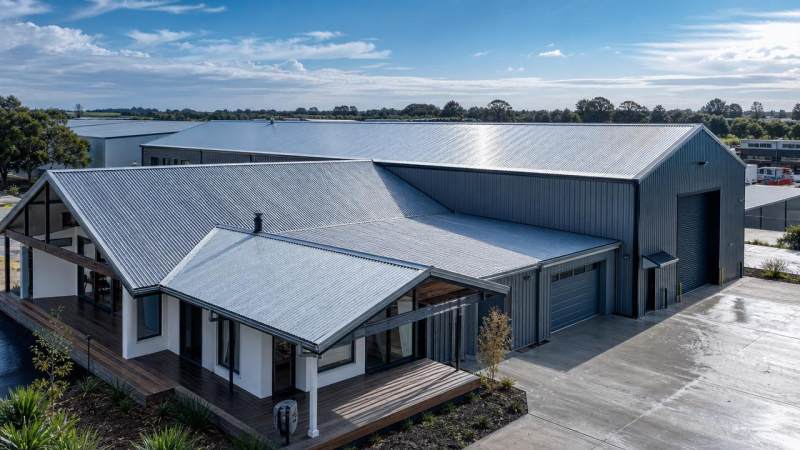
Galvanized steel sheet for roofing is steel coated with zinc to improve corrosion resistance.
The zinc layer acts as a protective barrier against moisture and air exposure.
This makes the sheet more suitable for outdoor use than plain carbon steel.
Roofing panels can be corrugated, ribbed, or flat, depending on design and structural needs.
Many residential and industrial buildings use galvanized roofing because it balances performance and cost.
When people ask if galvanized steel sheet for roofing is good, they usually mean service life, rust control, and value.
Why do many roofs use galvanized steel sheet?
The biggest advantage is protection against rust in normal outdoor conditions.
The zinc coating slows corrosion and helps extend roof life.
Another benefit is strength.
Steel sheets can resist impact, uplift, and general weather wear better than many lighter alternatives.
Galvanized roofing is also relatively lightweight compared with some tile or concrete systems.
That can reduce structural load and simplify installation planning.
Common reasons people choose galvanized steel sheet for roofing include:
- Good durability in rain, snow, and sun
- Lower maintenance than many traditional roofs
- Fast installation for new builds and replacements
- Competitive life-cycle cost
- Wide availability in many profiles and thicknesses
For projects needing reliable support framing, structural steel selection also matters.
In larger roofs, support members such as H Girder sections are often used.
These H-beam solutions suit steel structures, shipbuilding, bridging, and mechanical manufacturing applications.
Available materials include Q235, Q345B, SS400, S275JR, S355JR, A572, and A992.
Typical dimensions include flange thickness from 8-64mm and length from 1m-12m or as required.
Its strong bending resistance and efficient profile support economical roof framing in many steel projects.
Is galvanized steel sheet for roofing suitable for all climates?
It performs well in many climates, but local conditions still matter.
In dry or moderate environments, galvanized steel sheet for roofing can last for decades with proper installation.
In areas with heavy rainfall, the material still works well if drainage is designed correctly.
Standing water is a risk for nearly any metal roof.
In coastal regions, salt exposure can shorten the life of zinc coatings.
That does not automatically rule it out, but it may require thicker coatings or added paint systems.
In snowy regions, steel roofing can shed snow efficiently.
However, roof pitch, fastening method, and underlayment should be matched to snow load requirements.
For hot climates, reflective finishes can reduce heat absorption.
That makes galvanized steel sheet for roofing more comfortable and energy-friendly in sunny areas.
How does it compare with other roofing materials?
A fair comparison should include cost, life span, maintenance, weight, and appearance.
Asphalt shingles often cost less upfront, but they usually have a shorter service life.
Clay or concrete tiles can last long, but they are much heavier.
Aluminum roofing resists corrosion very well, especially near the sea, but it may cost more.
Galvanized steel sheet for roofing sits in a practical middle position.
If budget, durability, and strength all matter, galvanized steel sheet for roofing is often a smart compromise.
What are the main drawbacks or mistakes to avoid?
No roofing material is perfect, and galvanized steel has some limits.
One common concern is noise during heavy rain or hail.
Proper insulation and underlayment can reduce this issue significantly.
Another risk is corrosion at cut edges, scratches, or poorly sealed fasteners.
Installation quality matters as much as material quality.
Avoid mixing incompatible metals without separation.
Galvanic corrosion can develop when certain metals contact each other in wet conditions.
Another mistake is choosing thickness based only on price.
Thinner sheets may dent more easily or feel less stable in severe weather.
Watch for these issues before buying galvanized steel sheet for roofing:
- Unclear zinc coating specification
- Poor drainage layout
- Low-quality fasteners
- Missing insulation or underlayment
- Improper sealing around penetrations
How do you choose the right galvanized steel sheet for roofing?
Start with environment, roof design, and expected service life.
Ask about sheet thickness, coating weight, profile type, and fastening system.
If the project is near the coast, consider whether extra protective finishes are needed.
If appearance matters, review paint options and surface textures.
If the roof spans a larger structure, verify the supporting steel meets design loads.
Material quality should also align with recognized standards.
Reliable steel suppliers usually provide specification details, consistent production, and stable delivery.
So, is galvanized steel sheet for roofing a good choice?
Yes, in many cases it is a very good choice.
Galvanized steel sheet for roofing combines practical durability, weather resistance, and cost efficiency.
It suits homes, workshops, storage buildings, and many light industrial structures.
The best results come from matching the material to local climate and installing it correctly.
Strong structural support, proper drainage, and suitable coatings all improve long-term performance.
For projects requiring dependable steel products, Hongteng Fengda supplies structural steel solutions built to international standards.
Review your roof conditions, compare specifications carefully, and confirm support framing before making a final selection.
That simple step can help turn galvanized steel sheet for roofing into a long-lasting investment.
Please give us a message


Please enter what you want to find