When choosing steel wire for fencing, one of the first questions homeowners and buyers ask is how long it will last outdoors. Exposure to rain, sun, humidity, and changing temperatures can all affect performance over time. Understanding the key factors behind durability helps you select the right wire, reduce replacement costs, and build a fence that stays strong and reliable for years.
For most outdoor residential applications, steel fencing wire can last anywhere from 7 to 30 years, and sometimes longer, depending on the wire type, coating, climate, installation quality, and maintenance. In mild conditions, galvanized wire often performs well for many years, while heavier zinc coatings or PVC-coated options usually offer longer service life in wet, coastal, or high-corrosion environments.
The key point for buyers is simple: steel wire does not have one fixed lifespan. A low-cost wire installed in a harsh environment may deteriorate much sooner than expected, while a properly selected wire with the right protective finish can remain functional and presentable for decades. If you understand what affects durability, you can make a much smarter buying decision.
What is the real outdoor lifespan of steel wire for fencing?
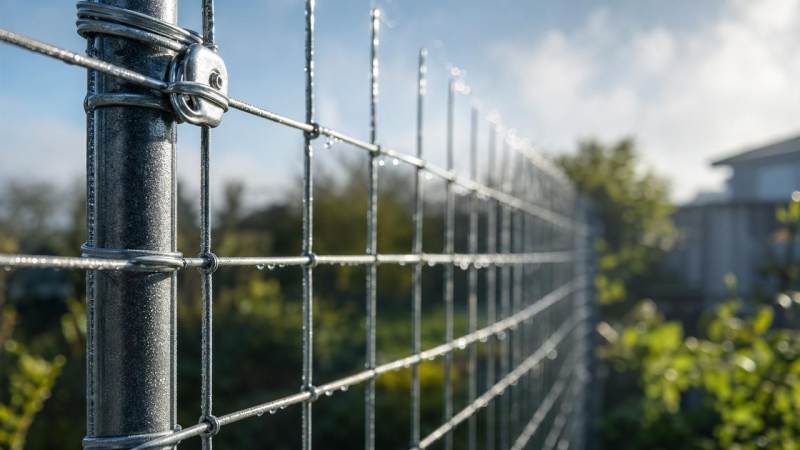
The most practical answer is that outdoor lifespan depends on the balance between metal quality and environmental exposure. Standard galvanized steel wire for fencing in a normal inland climate may last around 10 to 20 years. Heavily galvanized wire can often exceed that range, especially if the fence is not constantly exposed to standing water, fertilizer, salt, or physical damage.
In harsher environments, the numbers change. Near the sea, in areas with acid rain, or where the fence is exposed to livestock waste, chemical runoff, or constant moisture, corrosion may accelerate significantly. In those locations, lighter-coated wire may show rust in just a few years, while better-coated wire or PVC-covered options may still perform much longer.
Homeowners should also separate “appearance life” from “functional life.” A wire fence may develop some surface discoloration before it actually loses strength. In many cases, fencing wire remains structurally usable long after the first cosmetic signs of weathering appear. What matters is whether the wire still holds tension, resists breakage, and protects the property the way it should.
What affects how long steel fencing wire lasts outdoors?
The first and most important factor is the protective coating. Bare carbon steel wire is strong, but without a protective layer it is highly vulnerable to rust outdoors. Galvanized wire performs better because zinc forms a sacrificial barrier that protects the steel underneath. The thicker the zinc coating, the longer the wire usually lasts under similar conditions.
The second factor is climate. Dry inland areas are generally easier on steel than humid, rainy, or coastal regions. Salt in the air is particularly aggressive because it speeds up corrosion. Frequent wet-dry cycles also matter. A fence that repeatedly gets wet and dries out may corrode faster than one in a stable environment, especially if dirt and salt stay trapped on the surface.
Mechanical stress also influences service life. Wire that is over-tensioned during installation, bent sharply, or abraded by movement against posts, staples, or branches may lose its protective coating. Once the coating is damaged, rust can begin in those weak points. This is why installation technique matters almost as much as the wire specification itself.
Which type of steel wire for fencing lasts the longest?
Among common choices, heavily galvanized high-tensile steel wire is often one of the best options for long-term outdoor use. It combines strong mechanical performance with a corrosion-resistant zinc layer, making it suitable for many residential, agricultural, and perimeter fencing applications. High-tensile wire also stretches less under load, which helps the fence maintain shape over time.
PVC-coated steel wire can also offer long service life, especially where appearance matters or where extra protection is needed. The plastic outer layer helps shield the metal from moisture and contaminants. However, quality varies. A poor-quality PVC layer may crack under UV exposure or temperature changes, so buyers should not assume all coated wire performs equally well.
Stainless steel wire can last even longer outdoors, but it is often far more expensive than galvanized fencing wire and may not be necessary for standard residential use. For most homeowners, the best value usually comes from choosing the right grade of galvanized or coated steel wire rather than jumping straight to the most premium material available.
How can you tell whether a fencing wire is made for long outdoor service?
Start by asking about the coating, not just the wire diameter. Two wires may look similar at first glance, but their outdoor lifespan can differ greatly if one has a light zinc coating and the other has a heavier protective layer. Product specifications should clearly describe the finish, corrosion protection, and intended usage environment.
You should also check whether the product complies with recognized quality standards or comes from a supplier with consistent production control. Reliable steel manufacturers usually provide more stable material quality, dimensional accuracy, and coating consistency. These details may not be obvious at purchase, but they strongly affect long-term performance after installation.
For buyers working on broader construction or property improvement projects, material quality across related steel products also matters. For example, if a project includes both fencing and utility or structural steel components, sourcing from manufacturers that follow standards such as ASTM, JIS, or ISO systems can reduce quality uncertainty. In industrial or infrastructure procurement, products like Carbon Steel Pipe Supplier offerings are often evaluated in the same way: by grade, tolerance, processing capability, and consistency rather than price alone.
How do different outdoor environments change fencing wire lifespan?
In dry rural or suburban locations, galvanized steel wire for fencing generally performs very well. If the fence is installed correctly and not exposed to severe chemicals or standing moisture, buyers can often expect many years of reliable use with only minor maintenance. This is one reason galvanized wire remains a popular and cost-effective option for homes and land boundaries.
In humid climates, corrosion risks increase because moisture stays on the wire surface longer. Fences shaded by dense plants or built near irrigation systems may stay damp for extended periods, which creates better conditions for rust. In these areas, a heavier zinc coating or an additional polymer layer can make a noticeable difference in service life.
Coastal regions are the most demanding. Salt-laden air attacks exposed metal quickly, especially if the fence is close to the shoreline. Homeowners near the sea should be cautious about choosing the cheapest wire available. The lower purchase price may look attractive, but the shorter replacement cycle can make it more expensive over time. In these cases, investing in better corrosion protection often delivers the lower lifetime cost.
Does wire thickness mean longer life?
Not always. Thicker wire usually provides more strength and can better resist impact, deformation, or sagging, but it does not automatically guarantee superior corrosion resistance. A thick wire with weak coating may fail sooner outdoors than a slightly thinner wire with a much better protective finish. Buyers should compare thickness and coating together, not separately.
That said, wire gauge still matters for durability in practical use. If the fence is likely to face pressure from pets, livestock, climbing plants, or accidental bumps, a stronger wire can better maintain performance over time. Thinner wire may corrode and break faster if it is also under regular mechanical stress.
The best approach is to match the wire thickness to the actual purpose of the fence. Decorative garden fencing, pet containment, boundary demarcation, and security fencing all have different load demands. Buying the thickest wire available may waste money, while buying wire that is too light can shorten the fence’s useful life even if the coating is good.
What installation mistakes shorten the life of steel fencing wire?
One common mistake is damaging the coating during handling. Dragging the wire over concrete, rocks, or metal edges can scratch or strip away the protective layer. Once the zinc or PVC is compromised, corrosion may start at those damaged points. Careful transport, cutting, and fastening help preserve the wire’s outdoor durability from day one.
Another issue is poor tensioning. If wire is stretched too tightly, it may become more vulnerable to breakage at fixing points or corners. If it is too loose, it may sag, rub, and wear against supports. Proper installation balances tension, spacing, and support design so the fence remains stable without creating unnecessary stress on the wire.
Contact with incompatible materials can also accelerate deterioration. For example, some fasteners, wet timber preservatives, fertilizers, or chemical residues may increase corrosion risk. Good fence design considers the whole system, including posts, clips, staples, drainage, and vegetation clearance, not just the fencing wire itself.
What maintenance helps steel fencing wire last longer?
Outdoor fencing wire is relatively low maintenance, but not completely maintenance-free. A quick inspection once or twice a year can help you spot early rust, loose sections, broken fasteners, or coating damage before the problem spreads. Small repairs made early are usually much cheaper than replacing a large section of fence later.
It also helps to keep vegetation under control. Wet leaves, vines, and overgrown shrubs can trap moisture against the wire and speed up corrosion. In some settings, grass trimmers and lawn equipment can accidentally chip the coating near the bottom of the fence, so keeping a clean maintenance zone around the fence line is beneficial.
If a section develops localized damage, touch-up coatings or partial replacement may extend overall fence life. In residential use, the goal is not perfection but prevention. Keeping the fence clean, properly tensioned, and free from avoidable moisture buildup can add meaningful years to its service life.
How should homeowners choose the right fencing wire for long-term value?
Start with your environment. If you live inland in a moderate climate, a well-made galvanized steel wire for fencing may offer excellent value and long service life. If you live in a wet or coastal area, it makes sense to upgrade to a heavier-coated or PVC-coated product. Matching the wire to the environment is the most important step in avoiding premature failure.
Next, think about function. A light decorative fence and a security boundary do not require the same wire properties. Consider whether your fence must resist animals, protect a garden, define a property line, or provide stronger perimeter control. The right balance of strength, coating, and appearance depends on how the fence will actually be used.
Finally, evaluate total ownership cost rather than initial price alone. A cheaper wire that needs earlier replacement may cost more across ten or fifteen years than a slightly better product installed once. This principle applies across many steel applications, from fencing to structural and utility products supplied for construction, municipal works, and industrial use. Quality, standards compliance, and processing consistency often create better long-term value than the lowest upfront quote.
Conclusion: how long does steel wire for fencing last outdoors?
In most cases, steel wire for fencing can last from about 7 to 30 years outdoors, depending on coating quality, climate, wire type, installation, and maintenance. For many homeowners, galvanized wire offers a strong balance of durability and affordability. In more corrosive environments, upgraded coatings or added protective layers are often worth the investment.
The most important takeaway is that outdoor lifespan is not random. If you choose wire with the right corrosion protection, install it carefully, and perform basic upkeep, your fence can remain dependable for many years. If you ignore environment and quality, even a new fence may age faster than expected.
For buyers, the smartest decision is to focus on real service conditions, not just the lowest purchase price. A well-chosen fencing wire protects your property better, reduces maintenance headaches, and delivers stronger long-term value. That is what truly determines how long a fence will last outdoors.
Please give us a message


Please enter what you want to find