Understanding the real difference between a gal sheet and a gal steel sheet is crucial for selecting the right material for your construction or manufacturing project. As a trusted structural steel manufacturer and exporter from China, Hongteng Fengda provides high-quality products such as carbon coils, hrc coil, hot coil steel, coil rolled steel, galvannealed coil, gi sheet coil, and galvanized metal plate. This article explores how each option performs in durability, corrosion resistance, and cost efficiency, helping decision-makers and project managers make smarter sourcing choices. For complex infrastructure demands, Hongteng Fengda also manufactures structural components like angle steel, beams, and rails, all supported by ISO, EN, and ASTM standard compliance.
Definition and Overview
When discussing gal sheet and gal steel sheet, both terms refer to steel sheets coated with zinc through a galvanization process, but they differ slightly in composition, finish, and industrial application. A gal sheet generally describes a plain galvanized sheet used in roofing, housing panels, or light construction. The zinc coating serves as a barrier protection against corrosion and enhances its lifespan. On the other hand, a gal steel sheet is typically an industrial-grade material designed for heavy-duty or structural use, often processed from hot coil steel or coil rolled steel using high-tensile carbon coils or galvannealed coil substrates. This category of products tends to feature enhanced hardness, surface finish, and weldability. Manufacturers like Hongteng Fengda ensure quality consistency by using low-carbon and manganese steel compositions combined with automated galvanizing lines that meet ASTM A653, JIS G3302, and EN 10346 standards. Understanding these definitions allows engineers and procurement specialists to make informed selections when designing long-lasting infrastructure or machinery.
Market Overview and Industry Trends
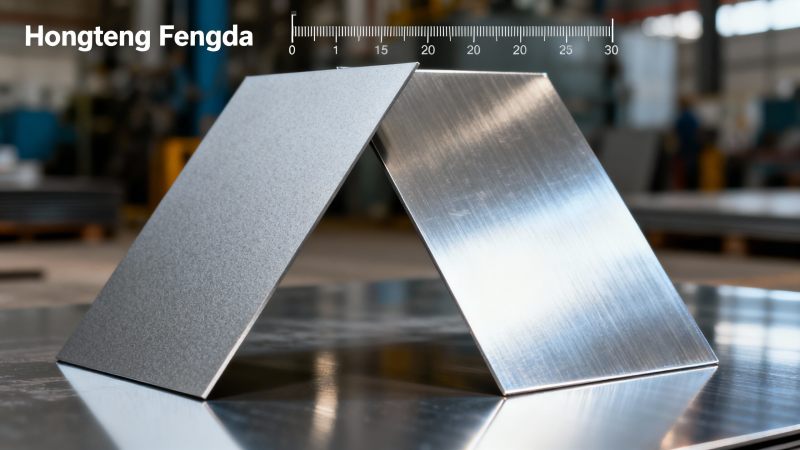
The global market for galvanized steel materials continues to expand driven by infrastructure revitalization, smart city construction, and higher environmental awareness. Demand has surged across North America, Southeast Asia, and the Middle East where corrosion-resistant materials reduce lifecycle maintenance costs. Gal sheets dominate light construction and interior applications such as wall cladding and air-conditioning ducts, while gal steel sheets are favored in industrial equipment, automotive manufacturing, and building frameworks. The surge in customer demand also pushes manufacturers to evolve their product portfolio — offering high-quality gi sheet coil and galvanized metal mesh sheets that meet different surface requirements. Increasingly, buyers are turning toward reliable Chinese exporters like Hongteng Fengda whose comprehensive supply chain ensures a consistent supply of carbon coils and hot coil steel that can be tailored into customized formats. Looking forward, eco-friendly coatings, recyclability, and low-emission production methods are expected to influence purchasing behavior, putting compliance and sustainability at the heart of material sourcing strategies.
Technical Performance and Comparative Analysis
From a technical standpoint, gal sheet and gal steel sheet vary in mechanical strength, coating uniformity, and tolerance precision. A gal sheet usually undergoes continuous hot-dip galvanizing, where zinc forms a metallurgical bond to the steel base, ensuring anti-corrosion capability. However, gal steel sheets may further include galvannealed processing, producing a matte finish with improved paint adhesion suitable for automotive exteriors and high-end facades. Their coating structure often contains a zinc-iron alloy layer, providing better hardness and heat resistance than standard gal sheets. In tensile tests, gal steel sheet grades compare favorably with hrc coil and coil rolled steel, exhibiting yield strengths from 270 MPa to over 500 MPa. This makes them ideal for structural programs requiring rigidity while maintaining ease of fabrication. The efficiency of these materials can be illustrated through practical comparisons in weight-to-strength ratio, coating thickness, and elongation rate. For instance, while a gal sheet’s expected service life in rural conditions may reach ten years, properly treated galvannealed coil or galvanized metal plate can last significantly longer in marine or chemical environments. Selecting between the two depends on project conditions, load-bearing requirements, and environmental exposure.
Application Scenarios and Practical Implementations
In real-world construction and industrial operations, gal and gal steel sheets support a broad spectrum of applications. Roofing contractors rely on gal sheets for lightweight protection and aesthetic uniformity, while structural engineers and fabrication specialists utilize gal steel sheets to produce beams, braces, and industrial enclosures. Automotive manufacturers incorporate these materials into body panels and undercarriage components, capitalizing on their strength-to-weight efficiency. Additionally, modern warehouses and production plants integrate galvannealed and gi sheet coil products to improve corrosion resistance under fluctuating humidity. Hongteng Fengda offers integrated supply solutions for such applications, ensuring every shipment meets inspection protocols for dimensional accuracy and coating thickness. Their production incorporates advanced surface treatment and cold rolling techniques to ensure adherence to international tolerances. In railway engineering, complementary products such as Rail play a vital role in delivering continuous, smooth guidance for rolling stock. The offered rails—available in types including U74, PD3, and Q235, with standard lengths from 12m to 30m—demonstrate how diverse galvanized and carbon steel systems work in tandem across infrastructure projects. This integration underlines how proper material pairing ensures structural integrity and performance reliability even in high-stress environments.
Procurement Guide and Cost Considerations
Project planners and procurement teams evaluating carbon coils or hot coil steel products should consider several parameters before purchasing. First is coating thickness: a thicker galvanization enhances corrosion protection but increases cost. Second, the base steel grade affects weldability and yield strength. Gal steel sheets, derived from coil rolled steel, typically feature tighter tolerances and uniform zinc coatings. In contrast, gal sheets may offer cost advantages in projects with shorter life cycles or indoor deployment. Global supply chain fluctuations further affect pricing; thus long-term partnerships with stable exporters like Hongteng Fengda can minimize these risks. Their standardized production control under ASTM, EN, and GB regulations ensures consistent quality and traceability. Buyers should also verify certification status such as ISO9001-2008 or ISO14001:2004 when sourcing materials, especially in government or safety-critical infrastructure projects. Competitive pricing, combined with quick dispatch and flexible order sizes, enables Hongteng Fengda to support clients facing tight project schedules. Whether procuring galvannealed coil for mechanical fabrication or galvanized metal mesh sheets for fencing, a transparent technical specification and robust logistics framework remain key components in achieving cost efficiency without compromising durability.
Standards, Certification, and Compliance
Quality and compliance assurance define the foundation of global steel trade. Every batch of gi sheet coil or galvanized metal plate should be manufactured according to international codes. ASTM A653/A924, EN10327, JIS G3302, and GB/T2518 remain among the most cited standards defining zinc coating mass, mechanical properties, and thickness tolerances. Gal steel sheet, suited for structural purposes, often carries additional metallurgical testing certificates verifying chemical composition and mechanical resilience. Hongteng Fengda’s process management system ensures all materials—whether carbon coil, pipe, or plate—are traceable through batch inspection reports. Coating adhesion, gloss finish, and salt-spray corrosion tests are conducted before shipping to guarantee suitability for diverse environments. Projects demanding fire safety can also request enhanced alloys or specialized painted coatings that meet regional specifications. Quality managers and safety supervisors appreciate these protocols because they reduce rework and help meet performance warranties. Compliance with ISO standards also reflects environmental responsibility, as it involves waste recycling and emission control measures aligned with latest sustainability goals. These certifications not only validate product reliability but also provide reassurance for cross-border buyers concerned about consistency and export documentation.
Case Study and Best Practices
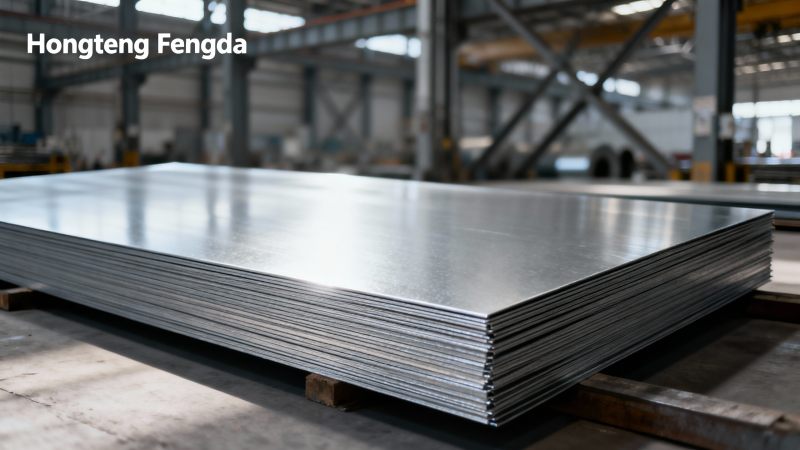
A noticeable example of optimal material selection involves a logistics park in Southeast Asia, where the engineering lead replaced conventional PVC-coated panels with galvanized metal plate from Hongteng Fengda. The new design utilized a combination of gal steel sheet for load-bearing frames and gal sheets for surface installation, reducing total maintenance costs by thirty percent over five years. Another instance comes from a bridge rehabilitation project using the manufacturer’s Rail solutions along with supporting carbon coils for deck support structures. Because these rails were manufactured under strict dimension control—rail height between 134–170mm and base width 114–150mm—the project achieved superior alignment and load distribution efficiency. Such practical implementations illustrate how certified structural steel and galvanized components synergize to produce durability, aesthetic appeal, and cost control. Manufacturers and project managers can replicate these methods by standardizing their material selection process, requesting mill test certificates before dispatch, and specifying galvanization levels suited to climate conditions. Moreover, working closely with suppliers on design customization ensures optimal product compatibility and easier installation on-site.
Trend & Insights for Future Applications
The evolution of galvanized steel continues with technological innovations designed to meet emerging needs in sustainable construction and manufacturing modernization. Advanced digital coating controls enable precise zinc deposition, reducing waste while improving consistency. Growing global focus on decarbonization also promotes the adoption of gal steel sheet variants with higher recyclability and lower embodied energy. Smart factories utilize IoT-based quality monitoring to track production data, ensuring uniform coil rolled steel output and predictive maintenance scheduling. In addition, hybrid coatings such as zinc-aluminum-magnesium promise superior edge protection, allowing thinner coatings to achieve longer-lasting performance. Architects increasingly specify galvannealed coil for modern façades not only for durability but also for thermal performance improvements. In industrial automation, robotic housing structures are shifting toward lightweight gal sheets due to their balance between strength and formability. For purchasers and engineers committed to continuous improvement, staying informed about these material trends ensures that future infrastructure stays durable, efficient, and eco-responsible. Hongteng Fengda continues to invest in smart production technology to meet future expectations of global engineering clients.
Why Choose Hongteng Fengda
Selecting a reliable material partner is not just a procurement decision—it is a long-term investment in project stability and performance. Hongteng Fengda, as a professional structural steel manufacturer and exporter from China, differentiates itself through technical expertise, comprehensive quality control, and international standard compliance. The company’s product range covers angle steel, beams, cold-formed profiles, carbon coils, hrc coil, coil rolled steel, and various galvanized products, providing a one-stop solution for construction, industrial, and rail applications. Each production stage integrates automated inspection systems ensuring dimensional precision and metallurgical consistency. With extensive exporting experience across Europe, North America, the Middle East, and Southeast Asia, Hongteng Fengda maintains excellent logistics and after-sales support systems. Customers appreciate transparent communication, reasonable pricing, and rapid delivery. Whether you are a project manager seeking consistent gi sheet coil supply, an OEM fabricator requiring galvannealed coil, or a distributor aiming to expand your steel portfolio, partnering with Hongteng Fengda ensures that your sourcing risks are minimized and your project outcomes are optimized. To learn more about product specifications, certification details, or request customized samples, contact Hongteng Fengda’s professional team today to experience quality, reliability, and innovation in every transaction.
Please give us a message


Please enter what you want to find