Q235 steel is widely used in global structural applications—but does it meet EN 10025-2 requirements for CE marking in EU construction projects? For procurement teams, engineers, and project managers evaluating material compliance, this question directly impacts regulatory approval, safety certification, and project timelines. As a certified structural steel manufacturer exporting to Europe, Hongteng Fengda assesses Q235 steel’s mechanical properties, testing protocols, and conformity pathways against EN 10025-2—clarifying where it aligns, where gaps exist, and how compliant alternatives or supplementary certifications (e.g., Mill Test Certificates, UKCA/CE under DoP) can support seamless EU market access.
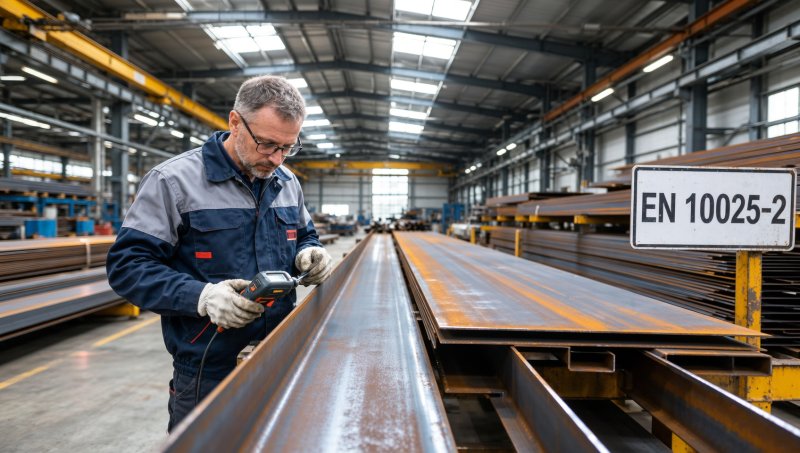
Understanding Q235 Steel and EN 10025-2: A Fundamental Compliance Gap
Q235 is a widely adopted Chinese carbon structural steel grade defined under GB/T 700. Its designation indicates a minimum yield strength of 235 MPa and good weldability, formability, and cost-efficiency. It serves reliably in non-critical load-bearing structures across Asia, Africa, and Latin America—especially in scaffolding, temporary works, and secondary framing.
EN 10025-2, however, defines a stricter framework for hot-rolled structural steels intended for permanent use in EU construction. It mandates specific chemical composition limits (e.g., max 0.22% C for S235JR), mandatory impact testing at +20°C (minimum 27 J), and tighter tolerances on dimensional accuracy and surface quality. Crucially, EN 10025-2 requires formal conformity assessment under Module D (production process audit) or Module H (full quality assurance), coupled with Declaration of Performance (DoP) issued by an EU-notified body.
Q235 lacks the mandatory impact test requirement and has no harmonized classification within EN 10025-2. While its tensile strength (370–500 MPa) overlaps with S235JR, its typical Charpy V-notch values fall below the 27 J threshold—particularly at sub-zero temperatures. This makes Q235 ineligible for CE marking *as supplied* under current EU Construction Products Regulation (CPR) Annex ZA.
Direct Comparison: Q235 vs. EN 10025-2 S235JR
The table below compares key technical and regulatory parameters between standard Q235B (GB/T 700) and EN 10025-2 S235JR—the most common functional equivalent for general-purpose structural use in EU projects.
This comparison confirms that while Q235B meets basic mechanical thresholds, its absence of standardized impact testing and lack of CPR-conformant documentation prevent CE marking. For EU projects governed by national building codes (e.g., Germany’s DIN 1055, UK’s BS EN 1993-1-1), only materials with valid DoP and notified body involvement are accepted on-site.
Practical Pathways for EU Market Access
Hongteng Fengda supports clients through three verified routes to achieve full compliance:
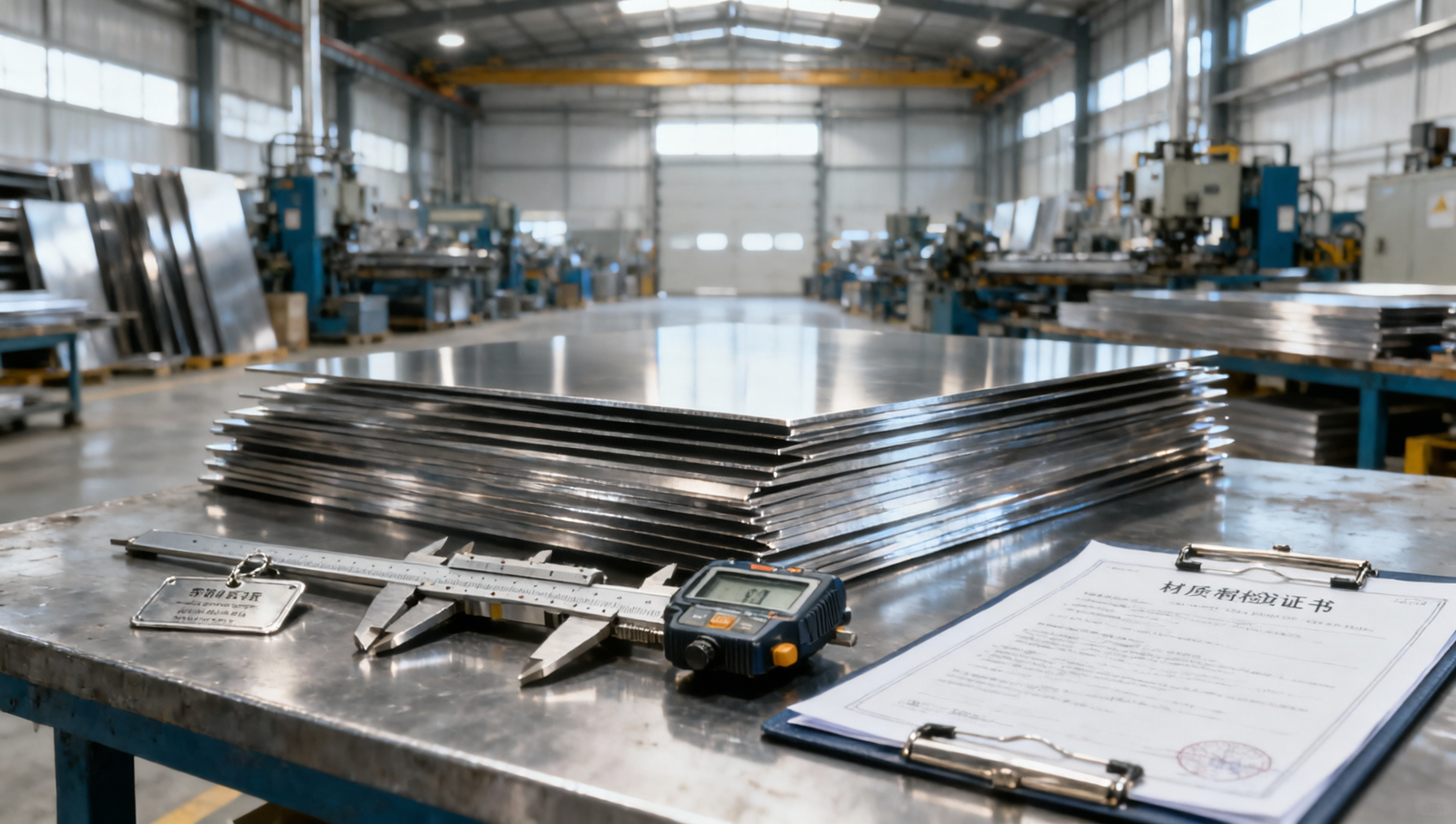
- Grade Upgrade to EN-Compliant Alternatives: We supply S235JR, S275JR, and S355JR from our ISO 9001-certified mills—with full EN 10204 3.1 Mill Test Certificates, heat traceability, and CE marking documentation prepared per EU Notified Body guidance (e.g., TÜV Rheinland, SGS).
- Supplementary Certification for Q235-Based Projects: Where Q235 is contractually specified (e.g., legacy designs), we arrange third-party impact testing (per EN ISO 148-1), chemical reanalysis, and technical file preparation—enabling CE marking under Module D with a qualified EU Authorized Representative.
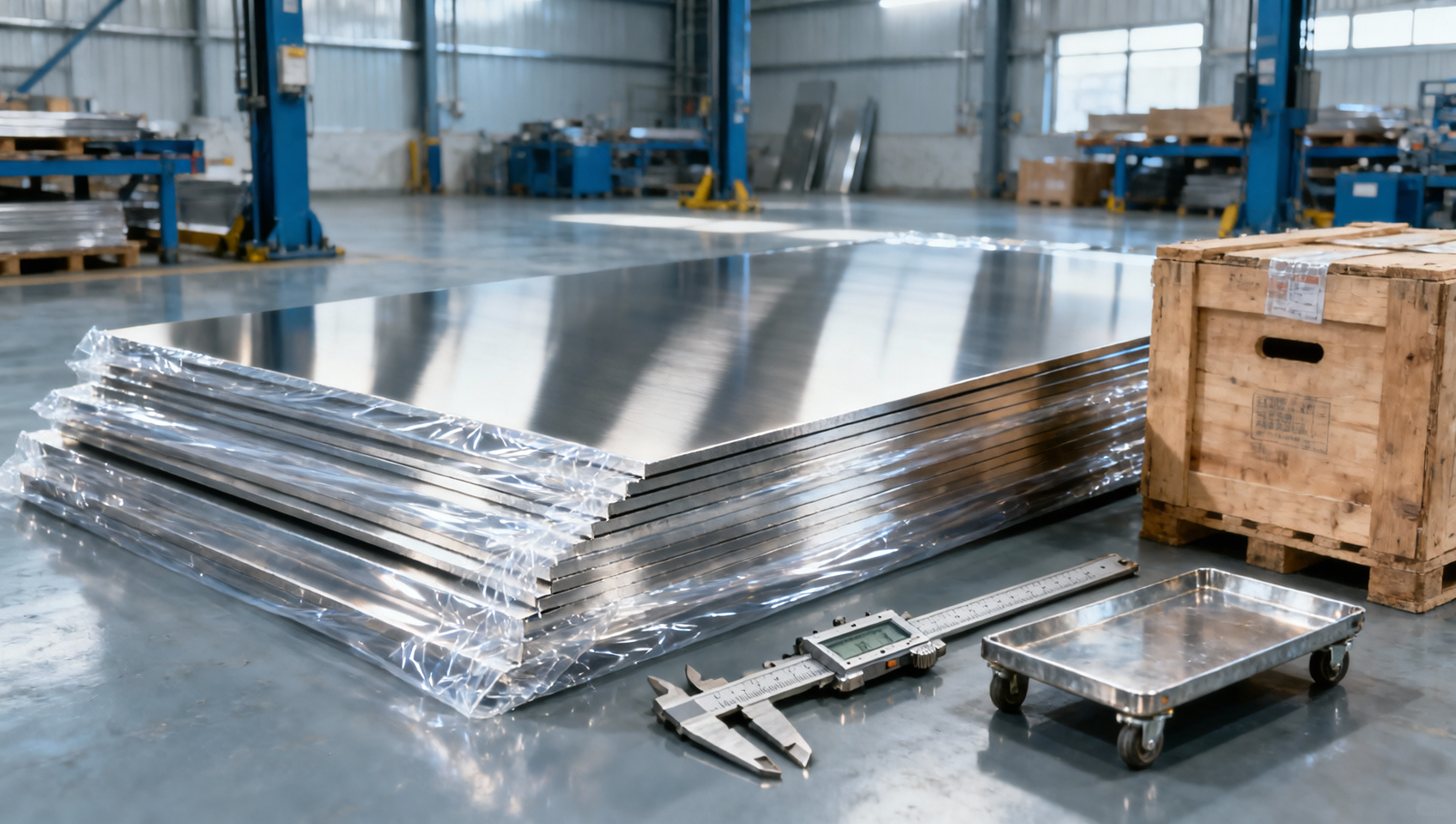
- Hybrid Solutions for Multi-Region Supply: For global EPC contractors managing both EU and non-EU sites, we offer dual-certified plates—e.g., Carbon Steel Sheet Plate in Q345A (16Mn), which complies with GB/T 1591, EN 10025-2 (as S355J0), and ASTM A572 Gr. 50—reducing logistics complexity and warehouse duplication.
Lead time for certified EN-compliant delivery is typically 2–4 weeks after order confirmation, including DoP issuance. All documentation is provided digitally and in English, aligned with CPR Article 9 requirements.
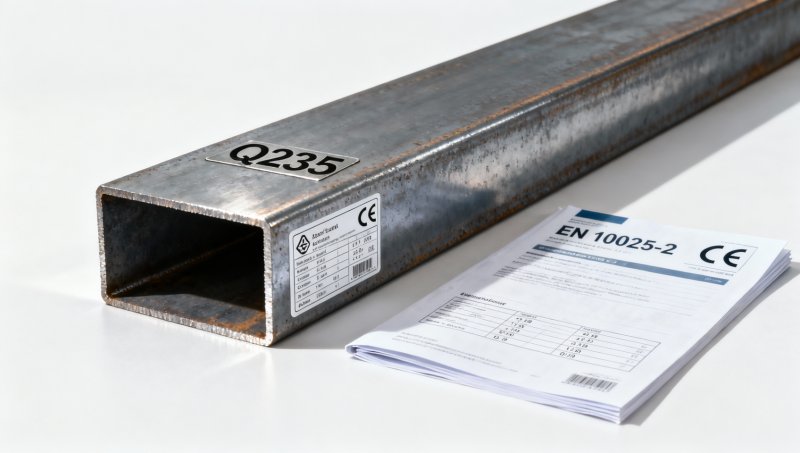
Why Q345A Offers Strategic Value Beyond Q235
For projects requiring higher strength-to-weight ratios—such as cranes, hydraulic mining supports, and power shovels—Q345A (16Mn) delivers superior performance while maintaining full EN 10025-2 alignment. Its chemical composition ensures consistent toughness: carbon 0.15–0.19%, manganese 1.20–1.50%, and phosphorus/sulfur ≤0.020% each. These parameters meet EN 10025-2 S355J0 requirements—including Charpy impact ≥27 J at 0°C.
Available in thicknesses from 6 mm to 700 mm and widths up to 4,000 mm, our Carbon Steel Sheet Plate supports heavy-duty fabrication without post-weld heat treatment in most cases. It is routinely supplied to OEMs in mining and engineering machinery sectors across Poland, Türkiye, and the UAE—where local authorities require documented conformity to EN standards.
Procurement Checklist: Ensuring Seamless CE Compliance
To avoid delays during EU site inspection or final acceptance, procurement teams should verify the following before placing orders:
Hongteng Fengda embeds all three requirements into standard export shipments to the EU—eliminating procurement risk and accelerating handover to civil engineers and structural inspectors.
Conclusion: From Compliance Risk to Strategic Sourcing Advantage
Q235 steel does not inherently meet EN 10025-2 requirements for CE marking in EU construction projects due to missing impact testing, non-harmonized classification, and absence of CPR-mandated conformity assessment. However, this gap is fully addressable—not as a barrier, but as a catalyst for upgrading to higher-performance, multi-standard-compliant solutions like Q345A-based Carbon Steel Sheet Plate, which satisfies EN, GB, ASTM, and JIS specifications simultaneously.
As a structural steel manufacturer serving over 42 countries, Hongteng Fengda combines deep regulatory expertise with agile production—ensuring every coil, beam, or plate delivered to Europe carries auditable compliance, zero-documentation surprises, and full traceability from furnace to freight. Whether you’re sourcing for a wind turbine foundation in Sweden or a metro station in Lisbon, our team provides tailored technical support, pre-shipment verification reports, and rapid response to authority queries.
Contact Hongteng Fengda today to request your customized CE compliance roadmap—including sample DoP templates, lead-time forecasts, and multi-standard certification options for your next EU project.
Related recommendations
 How to Calculate Structural Steel Weight for Accurate Material TakeoffsStructural steel weight calculation made simple: use proven formulas, section masses, and takeoff tips to improve accuracy, control costs, and plan material efficiently.
 How to Control Distortion in Structural Steel Welding for Heavy SectionsStructural steel welding distortion control for heavy sections: learn proven fit-up, heat input, sequencing, and monitoring methods to reduce rework and improve accuracy.
 What Should Be Included When Calculating the Price of SS 304 Sheet?Price of SS 304 sheet explained: compare grade, finish, weight, processing, testing, freight, duties, and payment terms to calculate true landed cost.
 How Plate Dimensions and Mill Certification Influence SS304 Plate PriceSS304 plate price explained: see how dimensions, tolerances, surface finish, and mill certificates affect true purchasing cost, quality assurance, and fabrication value.
Please give us a message


Please enter what you want to find