Galvanized steel roofing sheets are a popular choice for homeowners, farm buildings, workshops, and light commercial projects because they combine durability, corrosion resistance, and cost efficiency. If you are comparing roofing materials, understanding how these sheets perform in real weather conditions, how long they last, and what value they offer over time can help you make a smarter decision. This guide explains whether galvanized steel roofing sheets are worth using and what buyers should consider before choosing them.
What Makes Galvanized Steel Roofing Sheets Practical?
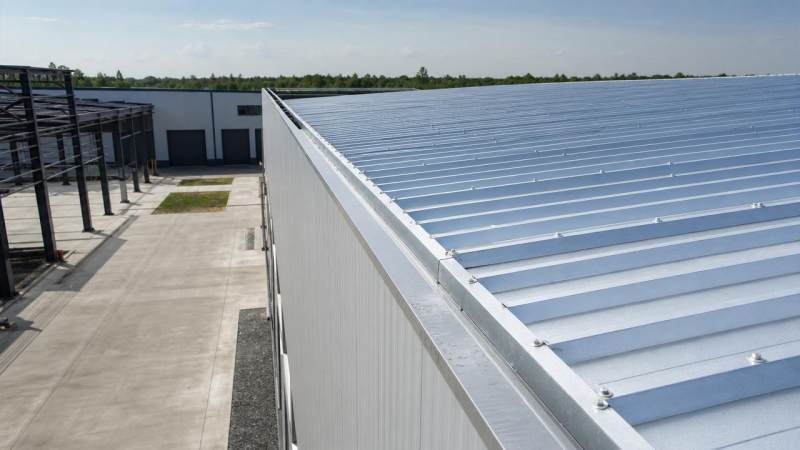
Galvanized steel roofing sheets are steel panels protected by a zinc coating. The coating acts as a barrier and sacrifices itself before the steel core corrodes.
For many buildings, the main question is not only initial price. Buyers also consider 10–30 years of weather exposure, maintenance frequency, and replacement risk.
How the zinc layer protects the roof
The zinc layer slows rust by isolating the steel from rain, oxygen, and airborne pollutants. If scratched, zinc can still protect nearby exposed areas.
This makes galvanized steel roofing sheets suitable for roofs exposed to seasonal temperature changes, strong sunlight, occasional hail, and repeated wet-dry cycles.
Key performance benefits for everyday users
- Corrosion resistance for general residential, agricultural, and workshop environments.
- Lightweight panels that reduce load compared with clay tiles or concrete roofing.
- Fast installation, often completed in fewer labor steps than small-format roof materials.
- Compatibility with gutters, ridge caps, flashing, insulation layers, and roof purlins.
In practical terms, galvanized steel roofing sheets work best when the coating grade, panel thickness, fastener quality, and roof slope are selected together.
Where Galvanized Steel Roofing Sheets Offer the Most Value
The value of galvanized steel roofing sheets depends on the building type. A home extension, livestock shed, and warehouse roof each require different details.
For end users, the strongest advantage is balanced performance: moderate upfront cost, reliable weather resistance, and manageable upkeep over long service periods.
The following table compares common roofing choices across 5 practical decision factors that homeowners and small project buyers usually evaluate before purchase.
The key conclusion is simple: galvanized steel roofing sheets are often worth using when buyers want structural reliability without excessive roof weight.
Best-fit applications
They are especially practical for farm storage, garages, workshops, temporary structures, industrial sheds, and light commercial buildings requiring large roof coverage.
A properly designed sheet roof can use long panels, often 1–12 m depending on transport, roof span, and project requirements.
When another roofing material may be better
If appearance is the highest priority, color-coated sheets or architectural standing seam systems may be preferred. For heavy coastal salt exposure, higher protection is advisable.
In very quiet indoor environments, rain noise may require insulation, acoustic underlayment, or ceiling treatment to improve comfort during storms.
How Long Do Galvanized Steel Roofing Sheets Last?
Service life depends on coating mass, roof design, local climate, maintenance, and installation quality. A poor installation can shorten performance by several years.
In typical non-marine environments, galvanized steel roofing sheets may provide 15–30 years of useful service when drainage and fastening are well controlled.
Factors that influence service life
- Coating specification: zinc protection level should match humidity, rainfall, and pollution exposure.
- Panel thickness: common sheet selections vary by load, spacing, and local building requirements.
- Roof slope: adequate slope helps water run off instead of ponding near laps.
- Fastener system: washers, screw spacing, and corrosion compatibility affect leakage prevention.
- Maintenance cycle: inspection every 6–12 months can identify loose screws and damaged edges early.
The roof should never be judged by sheet price alone. A low-cost panel with unsuitable coating can become expensive after 2–3 repair cycles.
Useful specification ranges to discuss with suppliers
For practical procurement, ask for sheet size, tolerance, coating details, and applicable standards before comparing quotations from different steel suppliers.
Hongteng Fengda supplies structural steel products and customized steel solutions for global projects, with production aligned to ASTM, EN, JIS, and GB requirements.
For buyers who also need supporting frames, drainage systems, or low-pressure fluid lines, Galvanized Pipe can be coordinated with roofing material procurement.
The table below summarizes typical technical points that help buyers compare galvanized steel roofing sheets and related galvanized steel products more accurately.
These figures are not a substitute for engineering design, but they give buyers a practical checklist when reviewing drawings, invoices, and delivery documents.
Buying Checklist: 6 Points Before You Choose
Before ordering galvanized steel roofing sheets, end consumers should check both material specification and installation conditions. Many roof failures begin with small omissions.
A reliable supplier should discuss application, dimensions, coating, standards, packaging, and lead time instead of offering only a unit price.
1. Match the sheet to the building
A farm shed exposed to fertilizer vapor, animal humidity, and washdown water needs stronger corrosion planning than a dry storage roof.
For workshops and garages, consider roof span, purlin spacing, wind uplift, snow load, and whether insulation will be installed below the sheets.
2. Ask about standards and traceability
Common steel standards include ASTM, EN, JIS, GB, DIN, AISI, and related specifications. The suitable standard depends on market and project requirements.
For international sourcing, consistent documentation reduces risk during customs clearance, inspection, resale, or contractor handover.
3. Calculate total installed cost
Compare panel cost, freight, accessories, labor, waste allowance, and maintenance. A 5% cheaper sheet may not save money if installation waste rises.
Ask installers to estimate overlap loss, ridge length, gutter details, and screw quantity. These small items can affect the final roof budget.
4. Review packaging and transport
Galvanized steel roofing sheets should be packed to reduce moisture trapping, surface abrasion, and edge deformation during loading or long-distance transport.
If sheets remain stored for more than 30 days, keep them dry, ventilated, and slightly inclined to prevent water accumulation between panels.
5. Check roof accessories
Ridge caps, flashing, sealant, matching fasteners, and closure strips must be compatible with galvanized surfaces to avoid premature corrosion or leakage.
Using the wrong fastener can create rust stains within 1–2 rainy seasons, especially where dissimilar metals touch the roof surface.
6. Confirm supplier capability
Hongteng Fengda manufactures and exports structural steel, including angle steel, channel steel, steel beams, cold formed profiles, and customized components.
For global buyers, stable production capacity and dependable lead times help reduce sourcing risks across North America, Europe, the Middle East, and Southeast Asia.
Installation and Maintenance Tips That Extend Roof Life
Even good galvanized steel roofing sheets need correct installation. Roof performance depends on the full system, not only the metal sheet itself.
A simple 4-step approach can reduce common problems such as leaks, fastener loosening, cut-edge rust, and panel movement during high winds.
A practical 4-step installation approach
- Verify roof framing, purlin spacing, slope, squareness, and drainage direction before panels arrive.
- Lift sheets carefully with enough support points to prevent bending or coating scratches.
- Use recommended overlap, screw spacing, sealing washers, and flashing details for the climate.
- Inspect after installation and again after the first heavy rain to confirm drainage and sealing.
Maintenance schedule for end users
Inspect the roof every 6–12 months and after severe storms. Remove leaves, soil, and debris that hold moisture against the surface.
Check fasteners, ridge caps, gutters, and any drilled or cut areas. Touch-up treatment should be applied promptly when protective layers are damaged.
Avoid walking on unsupported areas. If roof access is necessary, use proper safety equipment and step only where the structure can support load.
Common Misunderstandings About Galvanized Steel Roofing Sheets
Some buyers reject galvanized steel roofing sheets because they have seen rusted panels. In many cases, the issue was wrong specification or poor installation.
Understanding 3 common misconceptions helps buyers make a fair comparison between galvanized roofing, painted steel, tiles, and other roof systems.
Misunderstanding 1: galvanized roofs never rust
Galvanizing improves corrosion resistance, but it does not make steel immune to every environment. Salt, chemicals, trapped moisture, and scratches still matter.
Misunderstanding 2: thicker is always better
Thickness improves rigidity, but the best choice balances load, purlin spacing, coating, forming profile, budget, and installation method.
Misunderstanding 3: all suppliers offer the same sheet
Two sheets may look similar but differ in coating uniformity, tolerance control, packaging, surface finish, and standard compliance.
That is why buyers should request clear specifications, photos when needed, packing details, and confirmation of applicable standards before placing an order.
Are They Worth Using for Your Project?
Galvanized steel roofing sheets are worth using when your project needs durable, lightweight, corrosion-resistant roofing at a controlled total cost.
They are especially suitable for homeowners, farms, workshops, storage buildings, and light commercial roofs where performance and budget must be balanced.
Choose carefully if the building is near the sea, exposed to aggressive chemicals, or requires premium architectural appearance. In those cases, upgrade specifications.
Hongteng Fengda supports buyers with structural steel manufacturing, customized solutions, quality control, and export experience for projects using steel roofing systems.
If you are comparing galvanized steel roofing sheets for a home, shed, workshop, or commercial building, contact us to discuss specifications, standards, and sourcing options.
Get a customized solution, consult product details, or learn more about reliable steel products for your next construction or industrial project.
Please give us a message


Please enter what you want to find