Choosing a trustworthy stainless steel pipe manufacturer is about more than price—it means verifying quality systems, export experience, and standard compliance. Whether you are sourcing stainless steel pipe wholesale, comparing a stainless steel pipe supplier, or evaluating a stainless steel pipe exporter for industrial or construction use, understanding what defines long-term reliability can help reduce risk, control costs, and ensure consistent project performance.
What buyers really need to verify before trusting a stainless steel pipe manufacturer
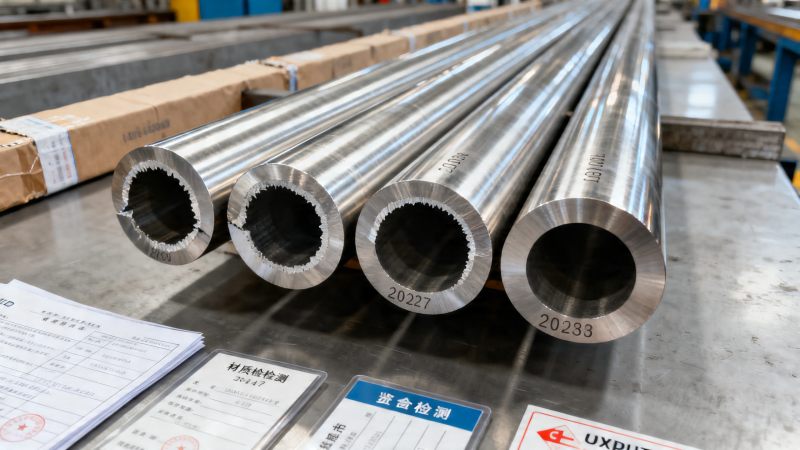
The core search intent behind this topic is practical: buyers, engineers, project managers, and sourcing teams want to know how to identify a manufacturer that is reliable enough for real orders, not just attractive on paper. In most cases, a trustworthy stainless steel pipe manufacturer is one that can deliver consistent quality, traceable materials, standard-compliant production, clear documentation, and dependable service over time.
For most target readers, the biggest concerns are straightforward:
- Will the pipe quality match the promised grade and specification?
- Can the supplier meet ASTM, EN, JIS, or other required standards?
- Is the manufacturer experienced in export packaging, documentation, and shipment control?
- Will delivery remain stable on repeat orders?
- How can purchasing risk be reduced before signing a contract?
That means the most useful way to evaluate a stainless steel pipe supplier is not by marketing language, but by evidence: certifications, mill test reports, inspection processes, production capability, communication quality, and track record in international supply.
Trust starts with quality systems, not with low quotations
A low price may help at the quotation stage, but it does not prove that a manufacturer is worth trusting. In steel procurement, poor consistency often creates bigger losses later through rework, delays, claims, or safety concerns. A reliable stainless steel pipe manufacturer should have a visible and structured quality control process covering raw materials, forming, welding or seamless processing, dimensional checks, surface inspection, and final testing.
Buyers should look for signs such as:
- Documented quality management procedures
- Incoming raw material verification
- Heat number or batch traceability
- Routine inspection records
- Support for third-party inspection when required
- Stable compliance with international standards
This is especially important for technical evaluators, quality control teams, and project owners. If a supplier cannot clearly explain how quality is controlled, how defects are prevented, and how non-conforming products are handled, trust should remain limited.
For many industrial buyers, trusted manufacturers are those that understand broader steel supply requirements across projects, not just a single item. For example, companies serving construction and manufacturing markets often also supply related steel materials for structural use. In some project environments, procurement teams may coordinate stainless steel pipe together with products such as Galvanized Steel Coil Sheet, especially when corrosion protection, fabrication compatibility, and multi-material sourcing efficiency matter. A supplier network familiar with international standards such as ASTM, EN, JIS, DIN, AISI, and GB can often support more consistent procurement decisions across categories.
How to judge whether manufacturing capability is real
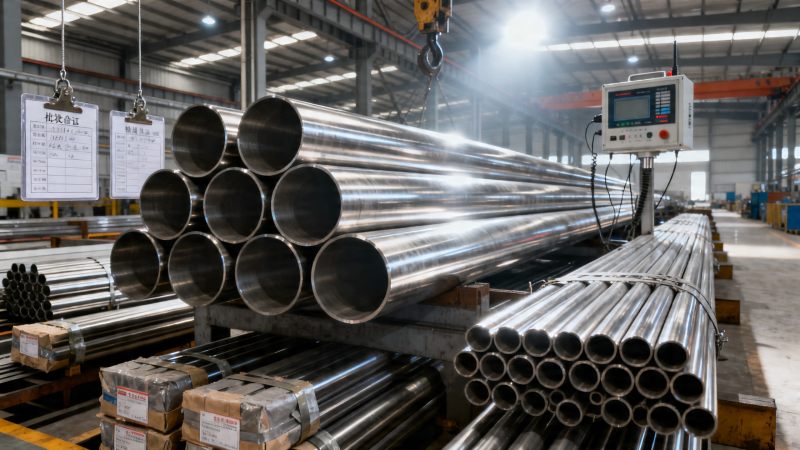
One of the most common sourcing mistakes is confusing a trading presentation with real manufacturing strength. A trustworthy stainless steel pipe exporter should be able to show actual production capability, not only a product catalog. This includes equipment, process range, dimensional tolerance control, production capacity, and customization support.
Questions worth asking include:
- What grades, sizes, wall thicknesses, and finishes can be produced consistently?
- Are both standard and customized orders supported?
- What is the monthly or annual output capacity?
- How are lead times managed during peak demand?
- Can samples, drawings, or technical data be provided promptly?
Reliable manufacturers usually answer these questions clearly and with supporting details. They are also transparent about what they can do well and what falls outside their core capability. That kind of honesty is often a stronger trust signal than overpromising.
Hongteng Fengda, for example, positions itself as a professional structural steel manufacturer and exporter from China, serving global construction, industrial, and manufacturing projects with stable production capacity, strict quality control, and compliance with major standards. Even though stainless steel pipe buyers may be focused on one product category, the same indicators of trust apply across steel sourcing: process discipline, documentation, export reliability, and the ability to support customized requirements without losing consistency.
Standard compliance and documentation are often the real trust test
For procurement teams and technical reviewers, trust is often confirmed or rejected at the documentation stage. A manufacturer may appear capable, but if it cannot support the required standards and inspection documents, the sourcing risk remains high.
A dependable stainless steel pipe manufacturer should be prepared to provide, where applicable:
- Material test certificates or mill test reports
- Dimensional inspection reports
- Surface and appearance inspection records
- Packing lists and traceability information
- Compliance references to ASTM, EN, JIS, or project-specific standards
- Third-party inspection coordination if requested
This matters because many disputes in international steel trade are not caused by total failure, but by mismatch between claimed and delivered specifications. Clear documentation protects both the buyer and the supplier. It also helps financial approvers and business decision-makers feel more confident that the supplier can support accountability after shipment.
When comparing suppliers, ask not only “Do you comply?” but also “How do you prove it for each shipment?” That single question often separates dependable producers from unreliable ones.
Export experience reduces hidden costs and delivery risk
For overseas buyers, trust is not only about the product itself. It also depends on how well the manufacturer handles export operations. A technically acceptable supplier can still become a risky partner if packaging fails, documents are delayed, or communication breaks down during shipping.
A trustworthy stainless steel pipe supplier for international business should be able to manage:
- Export packaging suitable for long-distance transport
- Clear labeling and loading control
- Accurate customs and shipping documents
- Responsive communication during production and transit
- Lead time planning and problem escalation procedures
Buyers in North America, Europe, the Middle East, and Southeast Asia often value suppliers that understand regional compliance expectations and can maintain dependable shipment schedules. Stable lead times are not just a logistics issue; they directly affect project installation, contractor planning, cash flow, and customer satisfaction.
This is why experienced steel exporters often become preferred long-term partners. They help customers reduce sourcing risk, avoid unnecessary delays, and maintain better cost control across repeated orders.
How procurement and technical teams can verify trust before placing an order
If you are evaluating a new stainless steel pipe manufacturer, the best approach is to use a practical verification checklist. Trust should be built through evidence gathered before the first major order, not after a problem occurs.
Here is a useful evaluation framework:
- Review company positioning: Confirm whether the supplier is a manufacturer, exporter, or intermediary, and check whether its business scope matches your needs.
- Verify standards and grades: Make sure the required stainless steel specifications can be supplied consistently.
- Request sample documents: Ask for MTCs, inspection reports, and previous export documentation samples.
- Check production visibility: Request factory photos, videos, equipment details, or audit access where possible.
- Test communication quality: Fast, accurate, and technically clear replies are a major trust indicator.
- Start with a trial order: Use a smaller order to verify quality consistency, packaging, and delivery execution.
- Evaluate after-sales response: See how the supplier handles questions, claims, or technical clarifications.
This process helps purchasing teams, project managers, and decision-makers move from uncertainty to evidence-based supplier selection.
What makes a manufacturer worth trusting in the long term
In the end, a stainless steel pipe manufacturer is worth trusting when it consistently reduces risk for the buyer. That means more than simply shipping products. It means delivering the right specification, maintaining quality from batch to batch, supporting documentation, communicating clearly, and protecting project timelines.
Long-term trust usually comes from a combination of factors:
- Consistent product quality
- Compliance with recognized standards
- Real manufacturing and export capability
- Transparent communication
- Stable lead times and responsible service
- Willingness to support customized and repeat business professionally
For buyers looking beyond one-time transactions, the best supplier is rarely the one with the lowest initial quote. It is the one that helps avoid failures, protects schedules, and supports efficient project execution. In steel sourcing, trust is not a slogan—it is a measurable business advantage.
If you are comparing stainless steel pipe wholesale sources or screening a stainless steel pipe exporter for industrial, construction, or distribution needs, focus on evidence over promises. A manufacturer becomes worth trusting when quality systems, technical capability, export reliability, and service discipline all work together. That is what gives buyers confidence to approve orders, scale cooperation, and build a long-term supply relationship.
Please give us a message


Please enter what you want to find