Introduction
Selecting the right welding machine for tin can is critical for seam integrity across any tin can production line. This guide helps procurement, quality and maintenance teams evaluate can making machines and metal packaging equipment—from 2-piece and 3-piece can production welders to integrated can making machine China suppliers—by focusing on technical specs, process controls and a practical vendor checklist. Whether specifying an aerosol can making line or food can sealing machine, learn what tests, warranties and service capabilities ensure consistent weld quality, reduced downtime and compliance with industry standards. In manufacturing environments where steel grades, coil tolerances and forming processes determine end-product reliability, procurement personnel and engineering leads must translate packaging requirements into machine-level specifications that protect product integrity and brand reputation. Purchasing decisions for a welding machine for tin can involve trade-offs between throughput, seam strength, headspace control and maintainability; each attribute must be evaluated against production volumes, product types (aerosol versus food cans), regulatory constraints and the realities of on-site maintenance capability. Quality teams look for objective seam integrity data, including destructive and non-destructive test protocols, repeatable bead geometry, and acceptance thresholds that link directly to shelf-life, leak testing and sterilization processes for food cans. Maintenance and after-sales teams prioritize modular serviceability, remote diagnostics and spares availability, particularly when sourcing can making machine China vendors who may support multiple international distribution channels. For distributors and agents, the ability to demonstrate a full tin can production line — from forming, welding and seaming to leak testing and surface treatment — is a key differentiator. This introduction frames the following sections to cover technical specifications, process controls and a vendor checklist tailored to steel-based tin can production environments, ensuring that decision-makers, project leads and maintenance staff have a practical roadmap to secure seam integrity and consistent performance across production shifts.
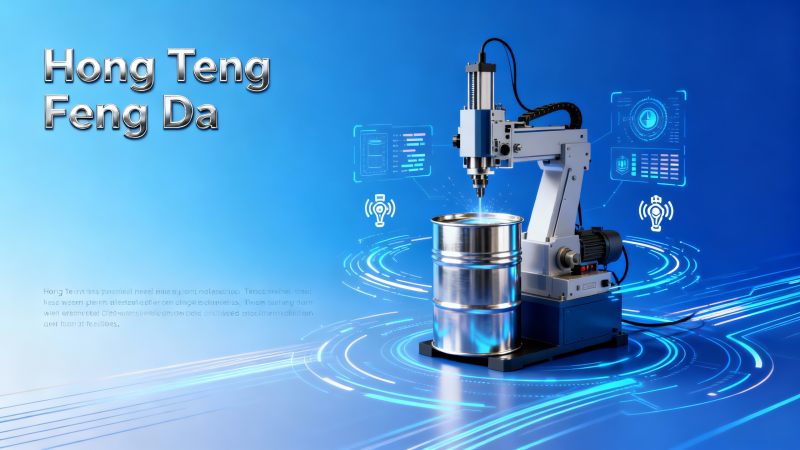
Critical technical specifications: what to require from a welding machine for tin can
Specifying the right technical specs for a welding machine for tin can is the first step toward consistent seam integrity. Start with weld method and energy control: resistance welding, induction welding and laser welding each offer distinct metallurgical outcomes on tinplate and carbon steel substrates. Resistance welding is widely used in high-speed tin can production due to repeatable heat input and robust seam control; induction and laser systems can reduce heat-affected zones but require tighter process control and often higher capital investment. Require vendors to provide clear electrical parameters, peak and average power ratings, duty cycle, pulse shaping and timing resolution; these determine weld consistency across variable coil thicknesses and surface treatments. Material compatibility must be explicit: specify the grade range the machine will handle, including tinplate and common steels used in can bodies. If your operation sources raw material from diverse suppliers, include substrate tolerances for thickness, coating weight and surface roughness. Mechanical specifications such as seam head geometry, clamp force control and alignment tolerance directly influence bead profile and seam overlap; demand documentation of head dimensions, maximum clamp load and automated centering features. Process repeatability metrics are crucial: ask for Cpk/Ppk data from the vendor, measured under representative production runs, and require weld-to-weld variance statistics. Throughput requirements must reflect real-world production mixes — a single-speed quoted maximum is insufficient. Require vendor demonstration of nominal cycles per minute across target can diameters and lengths, including runtime data for changeovers between 2-piece and 3-piece can production modes if applicable. Integration interfaces are also important: PLC compatibility, industrial communication protocols (EtherNet/IP, PROFINET, Modbus), and ease of integration into existing SCADA or MES systems. Environmental and safety features such as local exhaust for fumes, guarding, emergency stop architecture and interlock diagnostics should comply with local regulations and company safety policies. Finally, insist on documentation for calibration routines, traceable sensors and spare parts lists to ensure long-term maintenance predictability and to reduce mean time to repair when addressing seam quality deviations.
Process controls, testing and seam integrity validation for tin can production
Seam integrity is validated through a combination of process controls and targeted testing protocols that link machine settings to measurable outcomes. A robust control strategy includes closed-loop feedback for weld energy, pressure and time. Closed-loop systems use real-time monitoring of electrical parameters and force transducers to compensate for material variation and tool wear; require vendors to present control diagrams and examples of adaptive compensation algorithms. Non-destructive testing (NDT) methods such as high-voltage leak detection, vacuum decay and eddy current testing allow inline monitoring without sacrificing production. For food can sealing machine applications, integrate NDT with statistical sampling plans to meet regulatory and retailer standards for hermetic seals. Destructive testing remains the gold standard for characterizing seam strength and durability: flattening tests, tensile lap tests and microsection metallography reveal seam morphology, thickness distribution and potential defects like voids or incomplete fusion. When validating a welding machine for tin can, specify a test matrix that includes multiple material lots, several can diameters, and different coating conditions to reflect production variability. Include environmental cycling (temperature and humidity) and accelerated aging where relevant for food and aerosol cans to assess long-term seal performance. Documented acceptance criteria should be part of the purchase agreement; these may include minimum lap shear strength, maximum leak rate thresholds, and visual seam geometry tolerances. Quality teams should demand vendor-provided validation reports and on-site commissioning that replicates your production recipes. Additionally, define a preventive maintenance schedule based on duty cycle and process-critical components such as electrodes, clamps and cooling circuits. Integrate process alarms with clear corrective actions and provide training for operators on key statistical process control (SPC) metrics to detect drift early. Combining machine-level closed-loop control, rigorous NDT and destructive test validation ensures that tin can production lines meet both operational and regulatory expectations while minimizing rework and product recalls.
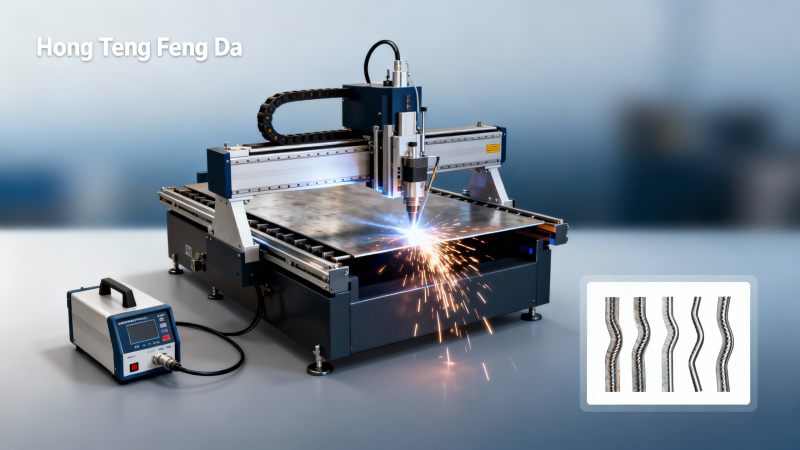
Vendor checklist: certifications, warranties, service and supply chain considerations
Selecting the right supplier for a welding machine for tin can is as important as the technical specification itself. Use a structured vendor checklist to compare can making machine China options and local OEMs across criteria that matter to procurement, quality and maintenance stakeholders. Start with certifications and standards compliance: ask for ISO quality system certificates, machine safety compliance, and any industry-specific approvals relevant to food-contact applications or aerosol packaging. Require detailed warranty terms that cover parts, labor and software updates, and clarify response times for emergency support. Evaluate a vendor’s service network: availability of trained field engineers, remote diagnostics capability, and the presence of stocked spare parts in your region can significantly reduce downtime. Service-level agreements (SLAs) should include mean time to respond (MTR) and mean time to repair (MTTR) targets tailored to your production risk profile. Request references and case studies that demonstrate vendor experience with both 2-piece can equipment and 3-piece can production lines; ask for examples of successful integration with metal packaging equipment such as seaming heads, flangers and coating lines. Supply chain resilience is another critical dimension: verify lead times for consumables and replacement components, and assess whether the vendor can support multi-site deployments with consistent part numbering and documentation. For distributors and agents, evaluate training programs and spare parts logistics; for manufacturers and project managers, demand detailed installation, commissioning and acceptance test plans. Consider financial stability and aftermarket capabilities — vendors that offer retrofit kits, upgrade paths to higher throughput or advanced process controls present a lower long-term risk. If your procurement involves broader steel product sourcing, integrating material supply considerations can simplify validation. For example, choosing verified coil suppliers or standardized plates reduces variability at the welding stage. In some projects, teams will find value in bundling equipment with proven raw materials; suppliers of steel such as Carbon Steel Sheet Plate that conform to GB, JIS and ASTM standards can lower qualification effort and provide traceable material certificates, which streamlines the start-up and validation phases.
Integration, maintenance and lifecycle cost considerations for tin can production lines
Integration into an existing tin can production line and a clear view of lifecycle costs are decisive for purchase approval. A welding machine for tin can must not be evaluated in isolation; consider its interfaces with upstream forming machines, coating ovens and downstream leak testers and conveyors. Define mechanical and electrical footprints, including utility requirements: compressed air quality and consumption, chiller capacity, power supply and harmonics, and factory floor layout for access and ergonomics. Assess changeover procedures and tooling kits for can diameter and height changes — the faster and more repeatable the changeover, the lower the indirect labor and scrap costs. Maintenance strategy should be proactive: require a bill of materials for wear items, recommended spares kits for 30/60/90-day coverage, and a clear consumables replacement cycle. For after-sales teams, remote access for PLC and HMI diagnostics reduces travel time and enables faster troubleshooting; insist on secure remote connection options and a defined escalation matrix. Total cost of ownership (TCO) analysis goes beyond purchase price: include expected uptime, energy consumption per weld, consumables cost per million cans, training costs and potential productivity gains from automation. Vendors should supply baseline data such as energy per weld, expected electrode life under representative duty cycles and typical parts replacement intervals. For project managers and engineering leads, require FAT (Factory Acceptance Test) and SAT (Site Acceptance Test) protocols with pass/fail criteria tied to production KPIs. A phased ramp-up plan with vendor support during initial production weeks helps stabilize yields and capture lessons that feed into long-term preventive maintenance schedules. Distributors and multi-site operators will benefit from standardized documentation, spare part packs and cross-site training to maintain uniform seam quality across locations, reducing variation that otherwise leads to recalls or customer complaints.
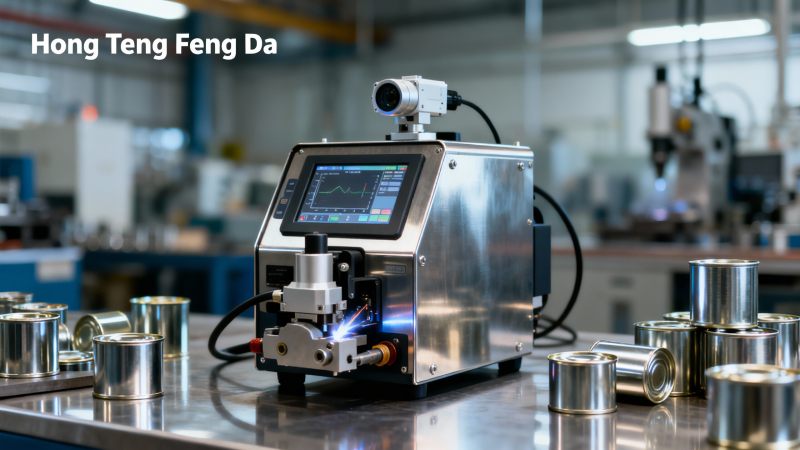
Conclusion and recommended next steps
In summary, ensuring seam integrity in tin can production requires combining the right welding machine capabilities, rigorous process controls and a disciplined vendor selection process. Procurement teams should prioritize machines that demonstrate repeatability, closed-loop control and comprehensive validation data; quality teams must insist on both NDT and destructive test protocols tied to acceptance criteria; maintenance teams need clear documentation, spares strategies and responsive service agreements that minimize MTTR. When comparing can making machine options including specialized aerosol can making line systems or food can sealing machine solutions, map technical requirements to production realities and total lifecycle costs. For organizations that also manage raw material sourcing, aligning metal inputs with machine capabilities reduces qualification cycles and enhances first-pass yield. The product and process synergies described here support operational resilience and regulatory compliance in steel-based tin can manufacturing. To move forward, request a detailed vendor proposal that includes FAT and sample validation runs using your target substrates and can formats, confirm SLA terms and spares availability, and schedule an on-site pilot or trial run. If you would like assistance turning these specifications into an actionable RFQ or want to compare vetted suppliers, contact our team to get tailored procurement support and technical evaluation services. Reach out now to discuss implementation, arrange demonstrations or obtain a customized cost-benefit analysis for your tin can production needs.立即联系我们 to accelerate qualification and ensure your next can making machine delivers consistent seam integrity and predictable uptime.
Related recommendations
 The Ultimate Procurement Hub: How a Full-Spectrum Steel Portfolio Empowers Global Industrial SuccessIt covers a wide range of steel products, including steel plates, steel coils, profiles, and steel gratings, to meet diverse needs.
 The Vertical Integration Advantage: Why Full-Process Production is the Gold Standard for Global Steel SourcingIt possesses complete production technologies and equipment for coking, sintering, steelmaking, and rolling, forming a systematic production system.
 The Global Steel Pulse: Bridging Continents with Precision Engineering and Unrivaled Supply Chain ExcellenceOur products sell well throughout China and are exported to North America, Europe, the Middle East, and other parts of the world, covering a wide market.
 Velocity of Value: How Precision Processing and Rapid-Response Logistics Redefine the Global Steel Supply ChainEquipped with advanced leveling equipment and relying on a robust logistics system, we can respond to customer needs at any time.
Please give us a message


Please enter what you want to find