Introduction
In this collection of real-installation case studies, we show how choosing the right structural C channel can decisively affect project ROI—altering material cost, installation time, and long-term performance. Engineers, procurement leads and project managers will find practical comparisons of steel channel sections and channel steel beam options, plus supplier selection guidance tailored to working with a reliable channel steel supplier. Whether evaluating metal C channel steel for load-bearing frames or lighter structural channel uses, these examples reveal where smart specification and sourcing drive measurable savings and reduced risks. This introduction frames the practical problems that owners, project managers and procurement teams face in steel projects: selecting the correct steel channel sections while balancing material cost, fabrication speed and lifetime maintenance. For many industrial, commercial and infrastructure installations, the choice between a structural c channel and alternative profiles like I-beams or angle sections is not only an engineering decision but a commercial one. The channel in steel can determine connection detail complexity, welding versus bolting strategy, and even the need for secondary members, affecting both the capex and opex of the structure. Purchasing teams are often asked to compare quotations from multiple channel steel suppliers while technical teams insist on performance metrics such as yield strength, section modulus and moment of inertia. This gap between procurement and engineering is where the right analysis drives ROI. Readers will gain an evidence-based approach: how to analyze life-cycle cost differences between metal channel types; how channel steel beam choices influence on-site productivity; and what to require from a channel steel supplier to avoid costly substitutions or delivery delays. The following sections present detailed design principles, installation insights, three real project case reviews with quantifiable outcomes, and procurement best practices. All case material relates directly to structural channel use in steel fabrication, and includes industry-relevant references such as common material grades, fabrication tolerances, and inspection touchpoints that reduce risk and improve total project return.
How Material Selection and Cross-Section Shape Drive Cost and Performance
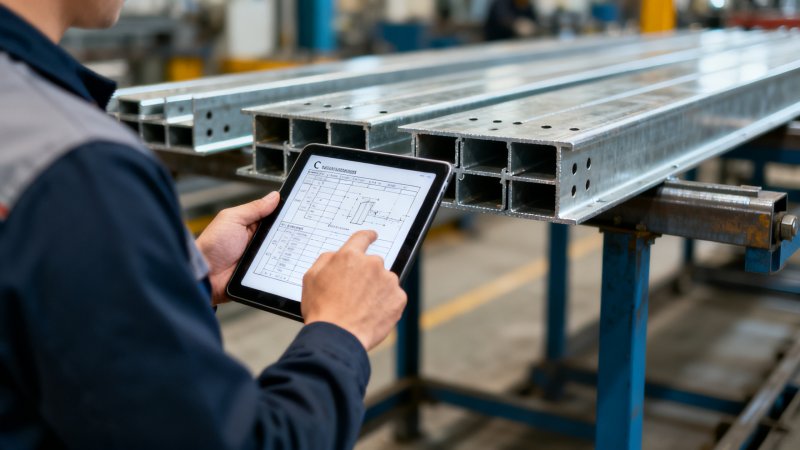
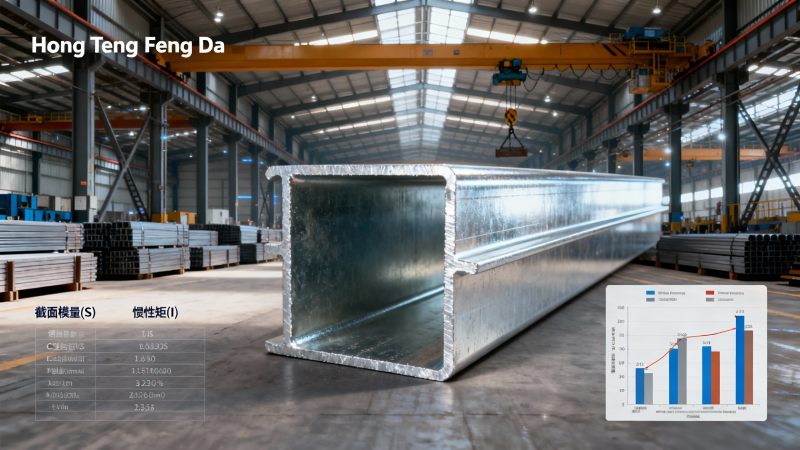
Selecting the appropriate structural c channel or alternative steel channel sections begins with clear performance criteria: load type (axial, bending, shear), load duration, connection design, and environmental exposure. Engineers typically evaluate channel c channel sections against the same metrics used for beams: section modulus (S), moment of inertia (I), shear area and radius of gyration. A metal c channel is efficient for many frame and purlin applications because it provides a favorable combination of bending resistance and ease of connection, while also reducing transport weight versus larger universal beams. However, decisions must consider steel grade — for example, comparing common structural carbon steels (such as ASTM A36 or EN S235) with higher-strength alternatives (S355/ASTM A572) changes the required cross-sectional area and therefore material tonnage and cost. Quantifying material cost begins with weight per meter of the chosen steel channel. For example, switching from a heavier channel section to an optimized metal c channel with higher-strength steel can reduce tonnage by 8–15% on a mid-sized industrial frame, lowering raw material cost while maintaining safety margins. But material is only part of the equation: fabrication complexity can negate raw-material savings. A structural steel channel that simplifies bolt patterns or minimizes welding length will reduce shop hours and shop weld inspections. For instance, a channel steel beam specified with uniform hole patterns and standard hole sizes can be shot-blasted and painted in batch processes, improving coating consistency and reducing rework costs. Durability also affects ROI. For outdoor or corrosive environments, specifying galvanized or suitable coated structural channel extends life-cycle and reduces maintenance spending. Where corrosion is a major concern, integrating corrosion-resistant materials such as stainless cladding or using stainless fasteners in critical joints is a prudent investment. In installations where infill or screening is required, choosing compatible secondary products that resist rust and chemical attack complements the main structural choice and reduces future replacement costs. When evaluating supplier quotations, insist on MTCs (mill test certificates) and dimensional drawings that report exact section properties. A channel steel supplier who provides verified section tables, clear lead times and tolerance information reduces the likelihood of costly on-site substitutions. In summary, the interplay between shape, material grade and fabrication logic determines whether a structural channel saves money in the short term or over the full asset lifetime.
Installation Productivity, Connections and Schedule Risk
Installation time and labor cost often represent a larger portion of project budget than raw material cost. A well-chosen structural channel can accelerate erection because channels are generally lighter, easier to handle with small cranes, and can be pre-punched for rapid bolting. Site teams frequently compare channel c channel options and channel steel beam alternatives based on erection sequence and expected connection detail labor hours. For example, a symmetrical U-shaped channel used as a purlin may be installed in fewer bolted connections than a custom-fabricated box section, directly reducing installation man-hours. Connection strategy matters: welded versus bolted connections influence both schedule and inspection overhead. Bolted connections, using pre-fabricated hole patterns from a reputable channel steel supplier, enable faster assembly and predictable torque-based quality checks, reducing nonconformance events. Welding on site requires certified welders, additional preheat in cold climates, and post-weld inspection; these are time and cost drivers. When specifying structural channel, designers should coordinate with suppliers to pre-drill or pre-weld attachments in the shop where quality control is more rigorous and throughput is higher. Logistics and handling considerations also impact ROI. Many projects save on heavy-lift rental by using optimized metal c channel steel that fits in standard transport loads. A reliable channel steel supplier will advise on bundling, packaging and load planning to reduce damage during transit. Lead time certainty is equally critical: delayed channel deliveries can stall multiple trades. Specify contractual delivery windows and penalties for missed milestones when schedule risk is high. In addition, prefabrication and modular assembly techniques — for instance, delivering sub-frames or pre-assembled channel assemblies — can compress field installation schedules and lower overall labor cost. Finally, consider secondary products and finishes that interact with the channel. Using corrosion-resistant meshes or screening in pedestrian areas or ventilation ducts can protect channels from debris and aggressive chemicals. For example, integrating a stainless steel welded mesh as an infill can reduce maintenance needs for surrounding channels exposed to particulate-laden air. A recommended option for filtration or protective screening is 304 Stainless Steel Welded Mesh, which offers high strength and corrosion resistance suitable for architectural and industrial use. When these details are resolved early with your supplier, the combined solution reduces on-site surprises and protects long-term ROI.
Three Real-World Case Studies: Measurable ROI from Smart Channel Choices
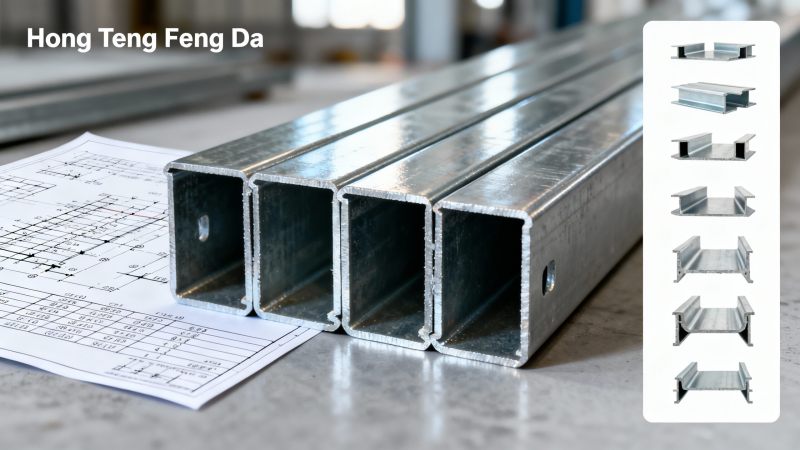
Case 1 — Industrial Warehouse Racking Frames: A logistics operator required new racking frames and purlin systems. Initial designs proposed heavier universal beams, but structural analysis showed that a family of metal channel sections (structural c channel) made from S355-grade steel would satisfy bending and deflection limits while reducing section weight. By switching to these steel channel sections, the project saved 11% in material tonnage and approximately 14% in raw material cost. Shop prefabrication of channel assemblies with pre-punched holes reduced on-site bolting time by 22%, shaving two weeks off the erection schedule. The combined material and labor savings delivered a return on the incremental engineering effort within the first quarter of operation. Case 2 — Coastal Plant Support Frames: A chemical plant on the coast required support structures for piping and light equipment. Corrosion risk and maintenance access were major concerns. The procurement team compared galvanized structural channel with painted I-beams and found that a specified structural steel channel, hot-dip galvanized and detailed with replaceable stainless fasteners, produced lower life-cycle cost. While initial material cost was slightly higher for the galvanized channel, predicted maintenance and replacement cost over a 20-year horizon dropped by an estimated 28% due to reduced corrosion rates and simplified access for repairs. The channel design also allowed modular replacement of damaged sections without dismantling adjacent members, preserving uptime for the plant. Case 3 — Architectural Facade and Screen Support: An office complex used channel c channel framing to support lightweight facade panels and secondary infill. The metal c channel steel permitted slim sightlines and straightforward anchoring of perforated screens. The designer integrated stainless welded mesh panels for sun-shading and security, which reduced the need for frequent finish repairs on the primary channels. The combined system reduced facade framing steel tonnage by 9% compared to a conventional frame approach and cut installation time by 12% due to standardized channel lengths and pre-installed fixings. This case underscores how pairing appropriate structural channels with suitable secondary products improves both aesthetics and total cost of ownership. Across these cases, common ROI drivers were consistent: reduced tonnage through higher-efficiency channel selection, minimized field welding and inspection through shop-ready assemblies, and specification of corrosion-resistant materials and compatible infill products to lower long-term maintenance. Each scenario highlights the importance of engaging a competent channel steel supplier early in the design phase to verify section properties, provide accurate lead times and support prefabrication strategies.
Procurement and Specification Best Practices for Channel Steel Suppliers and Buyers
Procurement teams should adopt a structured approach when sourcing structural steel channel to ensure predictable performance and favorable ROI. Begin with a performance-based specification that lists required section properties (S, I, weight per meter), material grade, acceptable tolerances, surface treatment, and delivery milestones. Avoid over-prescriptive language that mandates a single profile if equivalent performance may be delivered by alternative steel channel sections; allow suppliers to propose optimized metal channel options with verified calculations. Verification and documentation are essential. Require mill test certificates, dimensional inspection reports, and drawings showing hole patterns and connection details. Specify applicable standards such as ASTM for material properties or EN standards for structural products to ensure comparability between bids. Where welds are used, demand welder qualifications and NDT reports for critical joints. A professional channel steel supplier will provide a bill of materials with weights per cut length, recommended welding and bolting consumables, and packing lists that facilitate on-site offloading. Logistics and packaging are often overlooked but materially affect cost. Negotiate freight terms, offloading requirements and protective packaging for painted or galvanized channels to prevent site-induced corrosion. Lead time guarantees and staged deliveries aligned with erection schedule mitigate storage and double-handling costs. Supplier flexibility in producing batch-consistent sections and coordinating pre-assembly helps accelerate installation and minimizes rework. Finally, build a relationship with manufacturers who demonstrate complete production capability and quality assurance. Suppliers with integrated rolling, cutting and treatment lines can quickly produce varied sizes and finishes, and typically support faster sampling and prototyping. For projects that require additional items such as filtering or screening for ventilation or facade work, choose vendors who can coordinate or supply compatible secondary products. This holistic approach—specifying performance, verifying supplier capabilities, and aligning deliveries—ensures that the chosen structural channel contributes positively to project ROI from procurement through to operation.
Conclusion and Call to Action
Choosing the right metal channel and managing supplier relationships are decisive factors in project ROI. The combined effects of correct cross-section selection, material grade optimization, prefabrication strategies and corrosion-resistant detailing can yield significant savings in material, labor and long-term maintenance. Across a range of industrial and architectural projects, the appropriate use of structural c channel and steel channel sections has demonstrated measurable reductions in tonnage, installation time and life-cycle cost. Procurement teams and project managers should therefore treat channel specification as a multidisciplinary decision that blends structural engineering, fabrication planning and supply chain assurance. If your project requires robust guidance on selecting the optimal channel in steel, or support in evaluating channel steel beam alternatives, engage with experienced suppliers and engineering advisors early in the design phase. Defining clear performance outcomes, insisting on traceable documentation and prioritizing prefabrication-ready solutions are practical steps that reduce risk and enhance ROI. For tailored advice on channel options, fabrication capabilities and compatible secondary materials, contact a supplier with comprehensive production and distribution resources to support your schedule and quality needs. Immediate next steps: request section property tables, obtain sample assemblies, and secure a verified delivery schedule to lock savings into your project plan. Reach out now to discuss specifications, request quotations and compare vetted structural channel proposals to accelerate your project’s return on investment.
- metal channel
- channel in steel
- channel steel supplier
- metal c channel steel
- structural channel
- structural c channel
- channel steel beam
- channel c channel
- structural steel channel
- steel channel sections
- channel steel
- ASTM A572
- steel supplier
- steel suppliers
- hot-dip galvanized
- ASTM A36
- structural steel
- Structural Steel
- I-Beam
- Profile
Related recommendations
 The Ultimate Procurement Hub: How a Full-Spectrum Steel Portfolio Empowers Global Industrial SuccessIt covers a wide range of steel products, including steel plates, steel coils, profiles, and steel gratings, to meet diverse needs.
 The Vertical Integration Advantage: Why Full-Process Production is the Gold Standard for Global Steel SourcingIt possesses complete production technologies and equipment for coking, sintering, steelmaking, and rolling, forming a systematic production system.
 The Global Steel Pulse: Bridging Continents with Precision Engineering and Unrivaled Supply Chain ExcellenceOur products sell well throughout China and are exported to North America, Europe, the Middle East, and other parts of the world, covering a wide market.
 Velocity of Value: How Precision Processing and Rapid-Response Logistics Redefine the Global Steel Supply ChainEquipped with advanced leveling equipment and relying on a robust logistics system, we can respond to customer needs at any time.
Please give us a message


Please enter what you want to find