Walking into a high-end boutique, a modern co-working space, or a contemporary residential lounge, you immediately notice a shift in design language. The heavy, ornate wooden fixtures of the past have given way to sleek, minimalist structures. At the heart of this aesthetic evolution is steel tubing. For project managers and engineering leaders overseeing custom furniture production, this material is no longer just a structural necessity; it is a design canvas. However, transforming raw metal into elegant, functional furniture requires a deep understanding of fabrication techniques, precise execution, and a reliable supply chain.
Beyond Basic Strength: The Design Freedom of Steel Tubing
When specifying materials for commercial or high-traffic residential projects, the primary concern is often durability. Steel naturally excels here, offering an exceptional strength-to-weight ratio. But the true value of steel tubing lies in its versatility. Unlike solid bar stock, hollow sections allow designers to create sweeping curves, intricate geometric patterns, and lightweight frames that do not compromise on load-bearing capacity.
For a project manager, this means you can achieve bold architectural statements without the logistical nightmare of transporting and installing excessively heavy pieces. Yet, realizing this potential on the factory floor requires navigating a complex series of fabrication steps. Each stage, from the initial cut to the final finish, introduces variables that can make or break the final product's aesthetic and structural integrity. Understanding these variables is the first step toward delivering a flawless project.
Precision Forming: Where Tolerances Dictate Aesthetics and Costs
The journey of a custom metal furniture piece begins long before the first weld. It starts with precision cutting and bending. In the realm of high-end custom furniture, standard off-the-shelf cuts simply do not suffice. Fabricators rely on advanced laser cutting and CNC (Computer Numerical Control) tube bending to achieve the exact geometries envisioned by designers.
Why does this matter to you as a project leader? Because in custom furniture, the joints must fit together flawlessly. If a tube is bent with even a fraction of a millimeter deviation, the subsequent welding process becomes a nightmare. Gaps appear, structural weak points are introduced, and the visual continuity of the design is ruined. When evaluating fabrication partners, inquire about their CNC capabilities and their tolerance standards. A facility that prioritizes sub-millimeter accuracy in the forming stage will save you countless hours of rework.
Furthermore, precision forming is closely tied to material optimization. Advanced fabrication shops utilize sophisticated nesting software to maximize material yield from raw steel tubes. For project managers focused on controlling procurement costs, partnering with a facility that minimizes waste through intelligent cutting strategies can lead to significant savings, especially on large-scale commercial rollouts where every percentage point of material efficiency translates to real budget retention.
The Art of Welding and Seamless Integration
Once the components are cut and formed, they must be joined. Welding in custom furniture fabrication is less about industrial brute force and more about surgical precision. TIG (Tungsten Inert Gas) welding is the industry standard for high-end pieces because it offers superior control over the heat input and produces clean, high-quality welds. The choice of joint design—whether it is a simple butt joint, a complex fish-mouth cut for intersecting tubes, or a mitered corner—profoundly affects both the structural strength and the visual appeal of the final piece.
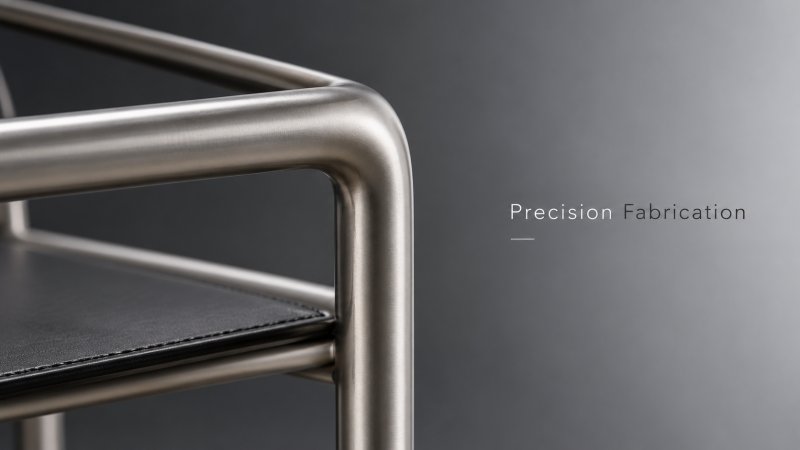
However, a good weld is only half the battle. The post-weld treatment is what truly defines the quality of the furniture. Skilled fabricators will meticulously grind and polish the welds until they are completely invisible, creating the illusion that the furniture was cast from a single piece of metal. As an engineering leader, you should request sample joints during the vendor selection process. Run your hand over the joints; if you can feel the seam, the finishing process needs refinement. This attention to detail is what separates premium custom furniture from mass-produced alternatives.
Surface Finishing and the Challenge of Electrical Integration
Modern custom furniture is rarely just a static object; it is often integrated with technology. Think of conference tables with built-in power outlets, retail displays with embedded LED lighting, or hospitality furniture featuring wireless charging pads. This integration introduces a new layer of complexity: managing electrical conduits within the metal framework.
Routing wiring through steel tubing requires materials that can protect the cables from sharp metal edges while resisting corrosion, especially in environments with fluctuating humidity. This is where the quality of the steel components becomes critical. For instance, when integrating power systems into metal furniture, utilizing high-grade components like a Galvanized Steel Electrical Conduit ensures that the internal wiring is shielded against physical damage and environmental degradation. The superior corrosion resistance provided by hot-dipped or electroplated zinc coatings not only protects the electrical systems but also serves as a benchmark for the structural steel tubing used in the furniture's frame, ensuring long-term durability without unsightly rust.
Beyond electrical integration, the external finish of the steel tubing itself requires careful selection. Powder coating is the most popular choice for custom furniture due to its durability, color versatility, and eco-friendly application process. However, the preparation of the steel surface prior to coating—such as sandblasting and chemical treatment—is just as important as the coating itself. Proper preparation ensures adhesion, preventing the finish from chipping or peeling over years of daily use, which is particularly crucial for furniture deployed in high-traffic or coastal environments.
Navigating Supply Chain Risks in Custom Fabrication
Even the most brilliant design and flawless fabrication techniques will fail if the materials do not arrive on time or fail to meet international standards. As a project manager, you are acutely aware of the ripple effects of delayed material deliveries. A missing batch of steel tubing can halt the entire production line, pushing back installation dates and inflating project costs. The complexities of global logistics only amplify these risks.
This is where partnering with a reliable structural steel manufacturer and exporter becomes a strategic advantage. Companies like Hongteng Fengda understand the unique pressures faced by global project leaders. By specializing in a wide range of structural steel products—including angle steel, channel steel, and customized structural steel components—they provide a consolidated sourcing solution. When you source your steel tubing and related structural elements from a single, compliant partner, you significantly reduce procurement complexities.
Furthermore, ensuring that your materials comply with major international standards such as ASTM, EN, JIS, and GB is non-negotiable for global projects. A trusted supplier will provide rigorous quality control and transparent documentation, allowing you to mitigate sourcing risks. Additionally, proper packaging is vital. Utilizing standard export seaworthy packages, such as waterproof paper and steel strip packing, ensures that the materials survive the rigors of international transport without sustaining damage. Consistent quality and dependable lead times are the foundational elements that keep your project on budget and on schedule.
Optimizing Material Selection for Long-Term Value
Ultimately, the success of a custom furniture project hinges on the decisions made at the very beginning. Selecting the right grade of steel tubing, specifying the appropriate wall thickness, and choosing the correct fabrication techniques are all interconnected choices. Opting for a slightly thicker gauge in high-stress areas, or specifying a specific steel grade for outdoor applications, can drastically extend the lifecycle of the furniture. It is a delicate balance between engineering requirements and budget constraints.
It is also vital to consider the total cost of ownership rather than just the initial procurement cost. High-quality fabrication and superior surface treatments might require a higher upfront investment, but they eliminate the need for frequent repairs, replacements, and maintenance. For project managers tasked with delivering durable, high-performance environments, this long-term perspective is crucial. A well-fabricated steel tube furniture piece should outlast the trends that inspired it.
The fabrication of steel tubing for custom furniture is a meticulous blend of engineering precision and artistic finishing. By understanding the nuances of cutting, welding, and surface treatment, and by aligning with a manufacturing partner who shares your commitment to quality and reliability, you can transform ambitious design concepts into tangible, enduring realities. In the competitive landscape of modern design, it is these meticulous details and reliable partnerships that ultimately define the success of your projects, ensuring that every piece not only looks exceptional but performs flawlessly for years to come.
Please give us a message


Please enter what you want to find