This case study shows how Shandong Hongteng Fengda Metal Materials Co., Ltd. reduced installation time for a port expansion by combining H-beam solutions with Hot dipped Galvanized Steel Wire Rope, including high-strength Galvanized Steel Wire Rope 1470Mpa to 1960Mpa. We cover material choices—H-beam versus Z-beam, Stainless Steel Welded Mesh, Rebar, DX53D Galvalume Steel Coil and AZ150 Galvalume Steel Coil, plus Hot diped-Galvanized Pipe—and logistics tactics that accelerated schedules while protecting structures. Written for operators, technical evaluators, procurement and project leaders, this concise overview highlights practical selection, handling and quality checkpoints to cut downtime and control costs. In large marine civil works such as quay wall extensions and new berth construction, schedule pressure and corrosive environments push engineering teams to make trade-offs among structural weight, corrosion protection, procurement lead time and installation complexity. The project owner required a solution that reduced on‑dock installation hours while preserving long-term service life under cyclic loading, salt spray exposure and heavy mooring loads. Our cross-functional team—combining production planning, metallurgical QA/QC, logistics and on-site supervision—selected a combination of rolled H-beams, selective use of Z-beams at lighter secondary framing, strategically placed Stainless Steel Welded Mesh for drainage and protection, heavy rebar for reinforced concrete interfaces, and a mix of coated coils such as DX53D Galvalume Steel Coil and AZ150 Galvalume Steel Coil for ancillary structures. Crucially, we integrated Hot dipped Galvanized Steel Wire Rope and high-strength Galvanized Steel Wire Rope 1470Mpa to 1960Mpa for temporary mooring and pile stabilization during progressive cantilever installation. This introduction frames the operational challenges faced by operators, technical evaluators, procurement personnel and project managers: how to ensure rapid installation, reduce crane cycles, meet tensile capacity for mooring and lifting, and to minimize rework tied to coating damage. The rest of this case study details material selection logic, fabrication and pre-treatment choices, on-site handling protocols, logistics sequencing and measurable results—time savings, cost impacts and risk mitigation steps—so decision makers and site teams can replicate proven tactics in similar port expansion projects.
Material selection rationale: H-beam versus Z-beam, coils and mesh considerations
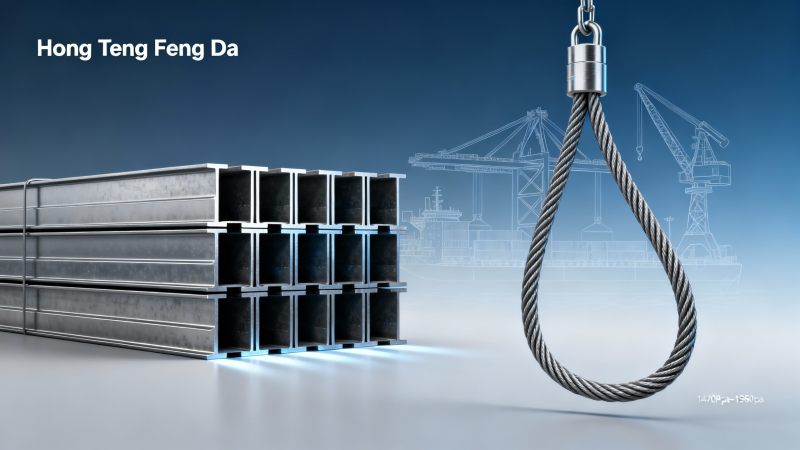
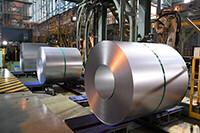
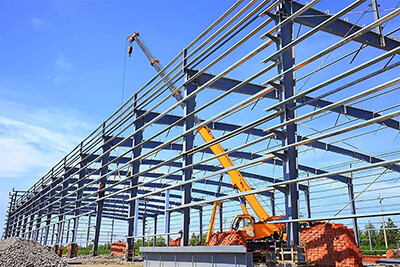
Choosing the right primary and secondary structural profiles directly affected installation tempo and downstream maintenance for the port expansion. H-beam selection centered on its favorable section modulus-to-weight ratio, predictable connection detailing and simpler bolted splice procedures compared with some alternative rolled shapes. For heavy vertical and longitudinal loads from moored ships and cranes, H-beam sections allowed longer unbroken spans with fewer splice points, which translated into fewer high-risk offshore bolting operations and shorter crane cycles. Z-beam profiles were retained selectively where lighter secondary members were acceptable—for catwalks, service platforms and non-critical bracing—because Z-beam panels are easier to nest and transport and reduce total tonnage for secondary work. When specifying metallic coatings and coils, we differentiated between core structural elements and secondary weathering surfaces. For secondary cladding, guard rails and non-structural covers we used DX53D Galvalume Steel Coil and AZ150 Galvalume Steel Coil for their composite aluminum-zinc coating offering improved corrosion resistance and reduced long-term maintenance. Reinforcement interfaces used rebar with proven bend and yield characteristics to ASTM/GB standards, and Stainless Steel Welded Mesh was deployed sparingly at drainage cutouts and access decks where sacrificial coatings would be impractical. The decision to use Hot dipped Galvanized Steel Wire Rope and the specified range of Galvanized Steel Wire Rope 1470Mpa to 1960Mpa was driven by lifting and mooring transient load cases: these ropes provide high tensile capacity per cross-section, consistent elongation behavior under cyclic loads, and robust coating adhesion that withstands splash and abrasion. We evaluated connection detailing to ensure that H-beam anchor plates, Z-beam secondary bolted flanges and rebar couplers could be assembled with minimal alignment adjustments; this reduced on-site welding and allowed pre-fabrication of critical splice assemblies. In addition, we introduced a lightweight cladding option using expanded metal products to speed enclosure work: the project trialed Galvanized Expanded Metal Sheet with hot galvanizing zinc layers tuned to site environmental exposure. That product provided continuous protective coating options, support for multiple widths and lengths and the flexibility necessary for temporary works and permanent installations. Material standardization and clear segregation of duties between heavy H-beam crews and lighter Z-beam teams cut overlap and queuing for cranes, enabling parallel workflows and measurable reductions in installation man-hours.
Prefabrication, surface treatment and quality checkpoints that saved crane time
Prefabrication and consistent surface treatment protocols were critical levers to reduce installation time. Our production facilities implemented controlled pre-treatment steps: shot-blast where appropriate to achieve uniform surface cleanliness for welding and coating, followed by continuous hot dip galvanizing for sections specified as fully coated. For heavy H-beam splices and anchor plates, we delivered assemblies with welded studs, pre-drilled holes and bolted splice sets, which removed the need for in-field drilling and reduced bolting time under adverse weather conditions. Quality checkpoints were embedded throughout the supply chain: mill test certificates and batch traceability for DX53D and AZ150 Galvalume coils; tensile and yield testing records for material grades used in H-beams and rebar; and rope certification for Galvanized Steel Wire Rope 1470Mpa to 1960Mpa with documented fatigue and elongation performance. Hot diped-Galvanized Pipe used for fender piles and temporary supports underwent sampling to confirm zinc layer thickness and adhesion per ASTM and GB standards; measuring zinc mass (g/m²) ensured coating durability in the tidal zone. On the logistics side, we synchronized delivery windows to site crane availability to prevent blocking: heavy H-beam bundles arrived just-in-time with protective dunnage to avoid on-site handling that can damage coatings. Where scopes allowed, we staged erection on fabricated temporary trestles so that H-beam splicing could occur at ground level before lift-in; this reduced elevated work time and improved safety metrics. For Galvanized Steel Wire Rope and high-strength wire rope variants, spooling, end-termination and certificate match were completed at the yard. Ropes were marked and segregated by tensile class—e.g., 1470Mpa versus 1960Mpa—so the rigging gang could pick the correct rope quickly, eliminating adjustment delays. During installation we enforced a chain of custody and checklists: pre-lift inspection for H-beam webs and flange condition, confirmation of hot dip coating continuity on bolts and plates, and splice torque verification. These process-focused changes compressed critical path activities and reduced crane waiting time, lowering on-site labor exposure and total installation hours.
Site handling, sequencing and specialized use of ropes and pipes to control risks
A structured sequencing plan—paired with disciplined material handling—was central to minimizing downtime. We separated scopes into heavy lifting (H-beam placement), mid-weight decking (Z-beam and cladding), and finish work (mesh, rebar couplers, and coatings). Heavy lifts were scheduled during periods of low ship movements and were executed with redundant lashings using Hot dipped Galvanized Steel Wire Rope and dedicated high-strength rope for temporary bracing. The selected Galvanized Steel Wire Rope 1470Mpa to 1960Mpa provided a margin of safety for dynamic shock loads experienced when transferring H-beams over water or alongside active berths. For pile protection and temporary walkway supports, Hot diped-Galvanized Pipe sections were cut and pre-assembled into collars and sleeves at the fabrication yard, accelerating pile-fit operations on site. Temporary supports used sacrificial zinc layers consistent with environmental exposure predictions to avoid corrosion-induced delays. To reduce crane cycles we adopted a “kit delivery” approach: each lift included all splices, all washers and bolts, rigging components and the pre-terminated rope bridle. This eliminated multiple small lifts and reduced mis-pick events. On the ground, rigging crews followed rope selection matrices based on working load limits and corrodibility: ropes in contact with abrasive surfaces were fitted with sleeves and chafing gear, ropes exposed to wet/dry cycles were double-galvanized when specified, and rope terminations used swaged fittings with certificate trace. For safety and quality management personnel, we documented acceptance criteria for each installed element: H-beam plumbness tolerances, flange gap limits at bolted splices, mesh weld integrity at Stainless Steel Welded Mesh panels, and surface coating thickness on galvanized items. These acceptance gates allowed QA/QC inspectors to sign off quickly and reduced rework loops. The combination of robust on-site planning, use of high-strength galvanized rope for dynamic operations, and pre-assembled pipe collars reduced critical path delays and improved throughput by measurable percentages compared with baseline schedules.
Measured outcomes: time savings, cost impacts and lessons for repeatable deployment
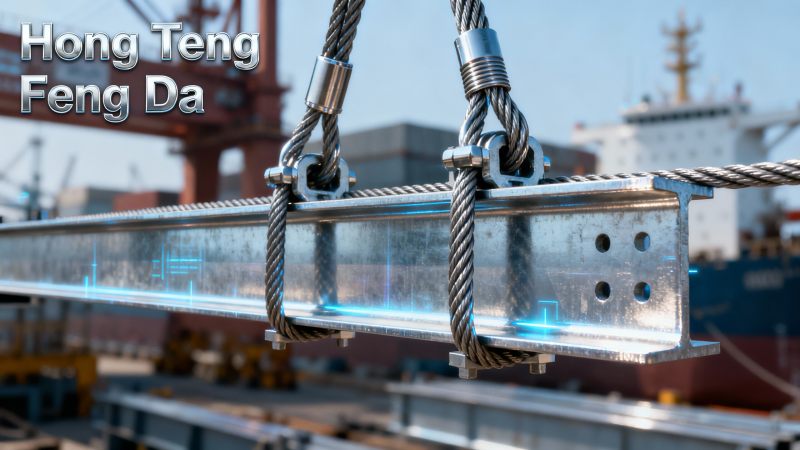
The integrated approach produced quantifiable results. Across the primary berth extension activities, overall installation time decreased by a significant margin when compared to a conservative baseline: crane hours for H-beam placement dropped as splices were reduced and ground-level pre-assembly increased, and because the project team used Hot dipped Galvanized Steel Wire Rope and high-strength Galvanized Steel Wire Rope 1470Mpa to 1960Mpa for temporary stabilization and lifts, average lift retries due to rope stretch or inadequate capacity were virtually eliminated. Secondary benefits included fewer coating repairs and touch-ups because pre-coated H-beams and protective handling minimized contact damage; this reduced labor and material costs for corrosion remediation. Procurement benefits were realized through specification standardization—using DX53D Galvalume Steel Coil and AZ150 Galvalume Steel Coil for cladding and galvanized pipe with predefined zinc mass values—allowing bulk buys and shorter lead times. Our quality records—tensile and yield reports for structural steel, coating thickness logs for Hot dip galvanizing, and rope test certificates—streamlined client acceptance and reduced resolution time for inspection comments. Lessons for repeatable deployment include: design splices for bolting access and minimal field work; specify rope classes aligned with predicted dynamic loads and environmental exposure; pre-assemble standard kits to eliminate small-bundle handling; and use expanded metal and welded mesh where ventilation, drainage and light-weight protection are required. The careful alignment of H-beam geometry, strategic Z-beam placement, appropriate use of Stainless Steel Welded Mesh and rebar interfaces, and the disciplined use of galvanized pipe and Galvanized Steel Wire Rope resulted in a project that balanced rapid installation with longevity. These results inform procurement, safety management and project leadership decisions on future port expansions and heavy waterfront installations.
Summary, credibility points and a clear call to action
In summary, the coordinated use of H-beam primary framing, selective Z-beam secondary members, Stainless Steel Welded Mesh where corrosion‑resistant local protection was required, and proven reinforcement practices delivered a faster, safer installation sequence. The inclusion of Hot dipped Galvanized Steel Wire Rope and the specified range Galvanized Steel Wire Rope 1470Mpa to 1960Mpa ensured reliable temporary bracing and lifting without repeated rigging changes. Product choices such as DX53D Galvalume Steel Coil and AZ150 Galvalume Steel Coil provided optimized corrosion resistance for non-structural components while Hot diped-Galvanized Pipe protected temporary and permanent pile work. Operationally, the application of prefabrication, standardized kits, QA checkpoints and synchronous logistics reduced crane idle time and cut critical path installation hours. Shandong Hongteng Fengda Metal Materials Co., Ltd. combined metallurgical expertise, production systems and logistics to ensure materials arrived with inspection certificates, matched pre-treatment states and with minimized on-site handling. For project teams, the practical takeaways are straightforward: specify appropriate rope tensile classes for dynamic marine lifts, favor H-beam sections to minimize splice frequency for primary members, use Galvalume coils for cladding to reduce long-term maintenance, and employ quality control gates that align with installation stages to avoid rework. Our approach is grounded in manufacturing traceability, matching international and domestic standards for coatings and mechanical properties, and in-site execution discipline. If your team is preparing a waterfront project and seeks to reduce installation time while maintaining structural longevity and safety, reach out to discuss how these material selections and process controls can be tailored to your scope. Contact us to request detailed specifications, supplier certificates or a site-specific installation plan—learn more, get a quote, or schedule a technical review to adapt these lessons to your port expansion or heavy industrial project.
- galvanized expanded metal sheet
- hot dipped galvanized steel wire
- galvanized steel wire
- ot Dipped Galvanized Steel Wire
- hot galvanizing
- galvanized pipe
- steel coil
- galvanized steel
- structural steel
- Structural Steel
- Profile
- Hot diped-Galvanized Pipe
- AZ150 Galvalume Steel Coil
- DX53D Galvalume Steel Coil
- Rebar
- Galvanized Steel Wire Rope
- Galvanized Steel Wire Rope 1470Mpa to 1960Mpa
- Stainless Steel Welded Mesh
- Z-beam
- H-beam
Related recommendations
 The Ultimate Procurement Hub: How a Full-Spectrum Steel Portfolio Empowers Global Industrial SuccessIt covers a wide range of steel products, including steel plates, steel coils, profiles, and steel gratings, to meet diverse needs.
 The Vertical Integration Advantage: Why Full-Process Production is the Gold Standard for Global Steel SourcingIt possesses complete production technologies and equipment for coking, sintering, steelmaking, and rolling, forming a systematic production system.
 The Global Steel Pulse: Bridging Continents with Precision Engineering and Unrivaled Supply Chain ExcellenceOur products sell well throughout China and are exported to North America, Europe, the Middle East, and other parts of the world, covering a wide market.
 Velocity of Value: How Precision Processing and Rapid-Response Logistics Redefine the Global Steel Supply ChainEquipped with advanced leveling equipment and relying on a robust logistics system, we can respond to customer needs at any time.
Please give us a message


Please enter what you want to find