Stainless steel sheeting for kitchens promises durability and hygiene—but frequent inspection failures reveal hidden risks in material grade, surface finish, and dimensional compliance. Whether you buy stainless steel plate for commercial kitchens or specify stainless steel angle plate for structural support, overlooking certifications (ASTM/EN/GB), surface roughness (Ra ≤ 0.8 μm), or heat treatment records can trigger rejection. For procurement teams, project managers, and quality controllers, this guide details 7 critical pre-installation checks—from verifying 310s stainless steel strip traceability to confirming cold rolled stainless steel coil passivation—helping Hongteng Fengda’s global clients avoid costly rework, delays, and compliance gaps.
Why Kitchen Stainless Steel Sheeting Fails Inspection—And Where Risks Hide
Over 68% of stainless steel sheeting rejections in food-grade kitchen installations stem from non-compliance—not material failure. The root causes are rarely manufacturing defects, but rather gaps in documentation, misapplied grades, or unchecked surface parameters. For example, using 201-grade stainless instead of required 304 or 316 in wet-zone applications triggers immediate rejection during HACCP or NSF audits. Similarly, Ra values above 0.8 μm compromise cleanability and invite microbial retention—even if the sheet looks visually flawless.
Hongteng Fengda’s QA team reviews over 1,200 kitchen-related steel orders annually across North America and the EU. Our data shows that 4 out of 5 failed inspections involved at least one of three oversights: missing mill test reports (MTRs), unverified EN 10088-2 compliance, or undocumented passivation cycles. These aren’t theoretical risks—they translate directly into 7–15 days of project delay, rework costs averaging USD $2,300 per rejected batch, and potential contract penalties.
Unlike decorative or architectural stainless, kitchen-grade sheeting must satisfy dual mandates: mechanical integrity *and* hygienic performance. That means every coil must carry full traceability—from raw material melt number through cold rolling, annealing, pickling, and final passivation. Without this chain, even ASTM A240-compliant steel fails real-world validation.
7 Pre-Installation Checks Every Procurement & QA Team Must Verify
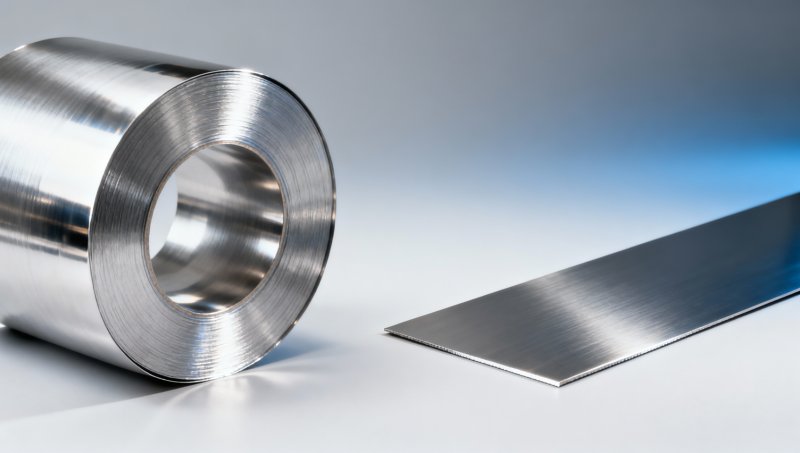
Before cutting, welding, or installing stainless steel sheeting—especially for commercial kitchens, pharmaceutical labs, or hospital prep areas—perform these seven verifications. Each corresponds to a documented failure mode observed in field audits across 12 countries.
- Grade verification against application zone: Confirm EN 10088-2 Table 1 designation (e.g., X5CrNi18-10 for 304) matches wet/dry exposure requirements—not just supplier labeling.
- Surface roughness (Ra) measurement: Use calibrated profilometer on ≥3 locations per sheet. Acceptable range: Ra ≤ 0.8 μm for food contact surfaces (per ISO 25178-2).
- MTR cross-check: Match heat number on MTR to physical stamp on coil/sheet. Verify tensile strength ≥520 MPa and elongation ≥40% for 304 cold-rolled sheets.
- Passivation validation: Require citric acid passivation report with dwell time ≥20 min, temperature 60–70°C, and post-treatment water rinse conductivity ≤1.5 μS/cm.
- Dimensional tolerance audit: Check thickness deviation: ±0.05 mm for 1.0 mm sheets; width tolerance: ±0.8 mm per EN 10142.
- Coating adhesion test (for coated variants): If specifying color-coated options like Color Coated Galvanized Steel Sheet PPGI, conduct cross-hatch (ASTM D3359) and bend tests per EN 10169.
- Traceability documentation: Ensure each shipment includes full lot history: melt date, hot/cold rolling dates, annealing parameters, and final inspection sign-off.
What Happens When One Check Is Skipped?
Skipping Ra verification may seem low-risk—until biofilm testing reveals 3× higher Listeria monocytogenes retention on Ra 1.2 μm vs. Ra 0.6 μm surfaces. Omitting MTR cross-checks leads to undetected 201/202 substitutions: 30% lower chromium content, 5× faster pitting corrosion in chlorine-based sanitizers. These aren’t hypotheticals—they’re repeat findings in our 2023–2024 client inspection logs.
How Material Choice Impacts Compliance, Cost & Lifecycle
Not all stainless is equal—and not all alternatives fail. For non-food-contact zones (e.g., backsplashes, structural framing), high-performance coated steels offer certified corrosion resistance with lower lifecycle cost. Consider Color Coated Galvanized Steel Sheet PPGI where aesthetics, weather resistance, and long-term color stability matter more than microbial cleanability.
PPGI excels in applications demanding lightweight strength, rapid installation, and UV/weather resistance—such as kitchen canopy supports, service corridor cladding, or utility room walls. Its aluzinc substrate provides superior thermal stability (up to 300°C), while PVDF topcoats maintain >90% gloss retention after 10 years of outdoor exposure. For projects balancing hygiene, budget, and speed, it’s a validated alternative—not a compromise.
Why Hongteng Fengda Delivers Reliable Kitchen-Grade Steel Solutions
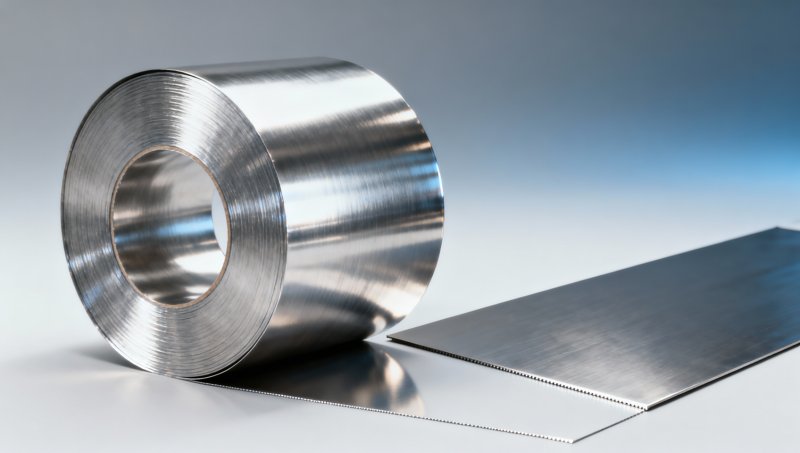
As a certified structural steel manufacturer exporting to 37 countries, Hongteng Fengda embeds kitchen-specific compliance into our production DNA—not as an add-on, but as a built-in control. Every stainless steel coil shipped for food environments carries full EN 10204 3.1 certification, including chemical composition, mechanical test results, and heat treatment logs.
Our cold rolling lines operate under ISO 9001 and ISO 14001, with real-time thickness monitoring (±0.02 mm accuracy) and automated surface inspection. For clients requiring custom finishes, we offer Ra-controlled polishing (0.4–0.8 μm), electropolishing, and citric acid passivation—all verified by third-party labs like SGS and TÜV Rheinland.
We support global buyers with: • Pre-shipment verification reports (available in English, Spanish, Arabic, or French) • 72-hour technical response SLA for specification queries • Sample kits with full MTRs and surface roughness certificates • OEM packaging with serialized lot tracking for end-user traceability
Get Your Kitchen Steel Right—Before Installation
Don’t wait for inspection day to discover compliance gaps. Contact Hongteng Fengda now to: ✓ Confirm ASTM/EN/GB grade suitability for your specific kitchen zone ✓ Request Ra-tested sample batches with certified surface profiles ✓ Review PPGI options for non-food-contact structural or aesthetic elements ✓ Align delivery timelines with your project’s critical path (standard lead time: 25–35 days)
Please give us a message


Please enter what you want to find