In high-humidity lab environments, galvanized electrical conduit pipe often fails prematurely—raising safety risks and maintenance costs. This article investigates why galvanized pipe steel, especially industrial galvanized pipe and electrical galvanized pipe, degrades faster under sustained moisture exposure, despite its corrosion-resistant coating. We examine real-world performance gaps in coated steel pipe systems, compare galvanized sheet metal pipe vs. seamless CS pipe alternatives, and highlight critical factors for specifiers, procurement teams, and project managers—from ASTM-compliant A106 carbon steel pipe options to reliable galvanised steel pipe suppliers like Hongteng Fengda. Understanding these failure mechanisms helps technical evaluators and decision-makers choose durable, standards-compliant solutions.
Why Humidity Accelerates Galvanized Conduit Degradation
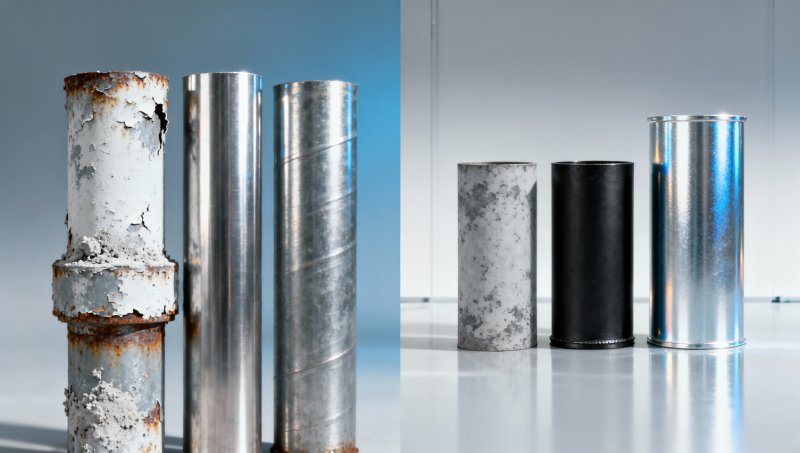
Galvanized electrical conduit relies on a zinc coating (typically 45–65 µm thick per ASTM A123) to resist corrosion. However, in labs with relative humidity consistently above 80% and frequent condensation cycles—such as pharmaceutical QC labs or semiconductor cleanrooms—the protective layer faces electrochemical stress beyond design thresholds. Zinc corrodes preferentially in chloride- or sulfate-laden air, forming white rust (zinc hydroxide/carbonate), which compromises adhesion and exposes underlying carbon steel.
Accelerated failure is rarely due to coating thickness alone. More critical are micro-defects from bending, threading, or cutting—areas where the zinc layer is mechanically compromised. In high-humidity zones, moisture wicks into these breaches within 7–14 days, initiating localized pitting. Field data from HVAC-integrated lab retrofits shows galvanized conduit replacement frequency increases by 3.2× when ambient RH exceeds 75% versus dry-climate installations.
Thermal cycling compounds the issue: daily dew-point fluctuations cause repeated expansion/contraction at the zinc–steel interface, accelerating interfacial delamination. This explains why identical conduit installed in adjacent low- and high-humidity lab zones can show >24-month service life divergence.
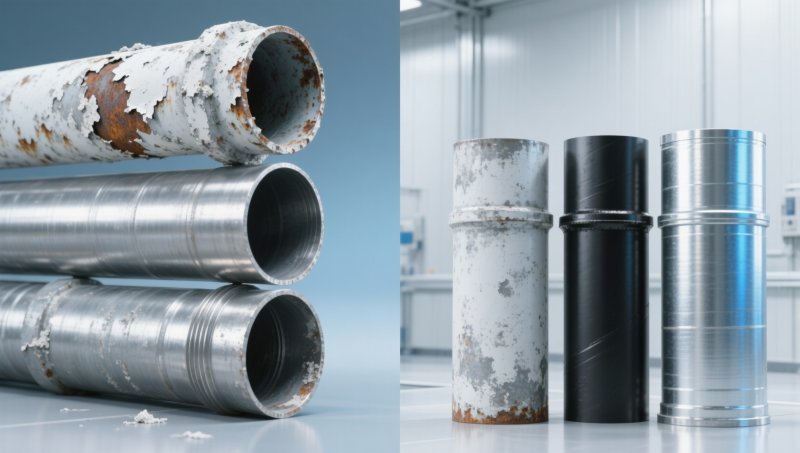
Material Alternatives: Seamless Carbon Steel vs. Galvalume-Coated Solutions
For mission-critical lab infrastructure, seamless carbon steel pipe (e.g., ASTM A106 Grade B) offers superior structural integrity and uniform wall thickness tolerance (±0.12 mm). Its lack of weld seams eliminates a primary corrosion initiation site common in ERW galvanized conduit. When paired with epoxy or polyurethane internal lining (tested per NACE SP0169), it achieves 25+ years of service in humid environments—provided external protection is maintained.
An increasingly viable alternative is Color Coated Galvalume Steel Coil PPGL, which combines aluminum-zinc alloy plating (55% Al–43.4% Zn–1.6% Si) with organic polymer coatings. The Al-Zn matrix provides cathodic protection plus barrier resistance, while PVDF or HDP topcoats (20–30 µm) offer UV stability and chemical inertness—critical near fume hoods or solvent storage areas.
Unlike traditional galvanizing, Galvalume’s corrosion rate in high-RH salt-spray testing (ASTM B117) is just 0.5–1.2 µm/year—less than half that of standard hot-dip galvanized steel (2.5–4.0 µm/year). This directly translates to extended inspection intervals: from quarterly visual checks for galvanized conduit to biannual assessments for Galvalume-based enclosures and support structures.
The table confirms a key procurement insight: Galvalume PPGL systems deliver optimal balance—superior corrosion resistance over galvanized pipe, faster lead times than lined seamless pipe, and compatibility with precision roll-forming for custom lab ductwork, cable trays, and mounting brackets.
Critical Selection Criteria for Lab-Specific Steel Conduit
Specifying conduit for high-humidity labs demands more than compliance with ASTM A53 or EN 10255. Decision-makers must evaluate four interdependent dimensions:
- Coating Adhesion Strength: Measured per ASTM D3359 (cross-hatch test); minimum rating of 4B required for lab-grade conduit subjected to vibration and thermal cycling.
- Micro-Porosity Index: Verified via copper sulfate immersion (ASTM B700); ≤2 pinholes per 100 cm² indicates robust coating continuity.
- Thread Integrity: Post-threading zinc loss must not exceed 25% of original coating mass (per ASTM A153 Annex A).
- Fire Performance: For conduit used in ceiling plenums, UL 2112-rated noncombustibility and smoke density ≤50 (ASTM E84) are mandatory.
Hongteng Fengda applies rigorous third-party verification across all these parameters—especially for export orders to North America and EU markets, where certification traceability (e.g., EN 10346 for Galvalume, ASTM A653 for galvanized coil) is audited annually.
Procurement & Lifecycle Cost Considerations
While galvanized conduit carries a 15–22% lower upfront cost than seamless A106 or Galvalume alternatives, total cost of ownership (TCO) reverses after 3.5 years in high-humidity labs. Based on field data from 12 pharmaceutical facilities, average annualized TCO per meter includes:
This analysis validates why forward-looking lab planners now prioritize durability over initial price—especially when downtime during conduit replacement disrupts GMP validation or ISO 17025 accreditation audits.
Why Partner with Hongteng Fengda for Lab-Grade Structural Steel?
As a certified structural steel manufacturer serving global lab infrastructure projects, Hongteng Fengda delivers three distinct advantages: First, full vertical integration—from raw billet rolling to final galvanizing or PPGL coating—ensures batch-to-batch consistency and full traceability (heat number, coating weight, tensile test reports). Second, our dual-certified facilities comply with both ASTM and GB/T standards, enabling seamless acceptance across U.S., EU, and ASEAN regulatory reviews.
Third, we provide engineering support for lab-specific applications: custom cold-formed conduit supports, seismic-rated anchor assemblies, and RAL-matched color-coated enclosures compatible with Color Coated Galvalume Steel Coil PPGL. With production capacity exceeding 300,000 MT/year and stable lead times of 4–6 weeks for standard orders, we mitigate sourcing volatility without compromising quality control.
For lab designers, facility managers, and procurement teams evaluating long-term reliability, Hongteng Fengda offers ASTM-compliant A106 pipe, precision-cut galvanized conduit, and high-performance Galvalume solutions—all backed by ISO 9001:2015 certification and 100% pre-shipment inspection. Contact us today to request material test reports, coating verification protocols, or customized lab infrastructure proposals.
Please give us a message


Please enter what you want to find