In demanding industrial and construction applications, material failure can lead to costly downtime and safety risks. That is why duplex steel pipe is widely chosen for harsh environments where high strength, corrosion resistance, and long-term reliability are critical.
As service conditions become more aggressive, material selection standards are also changing. Duplex steel pipe now stands out as a practical answer to rising durability expectations, stricter compliance, and longer asset life requirements.
Harsh environment standards are shifting toward longer service life
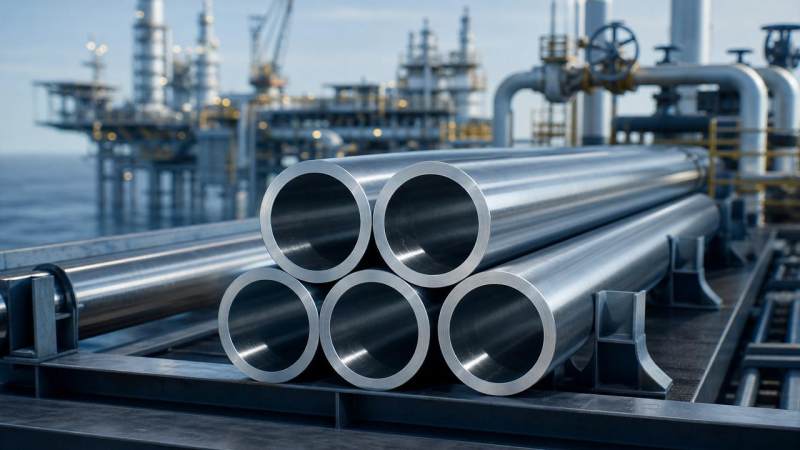
Across steel-related industries, exposure conditions are becoming more complex. Coastal construction, chemical processing, offshore systems, wastewater plants, and energy facilities all face stronger corrosion pressure than before.
This shift is changing how engineers compare stainless materials. Duplex steel pipe is no longer viewed only as a premium option. It is increasingly treated as a lifecycle-driven material decision.
Traditional carbon steel may need coatings, frequent inspection, and more maintenance. In contrast, duplex steel pipe combines mechanical strength with corrosion resistance, helping reduce intervention during long operating cycles.
The trend is clear. Projects are moving from lowest initial price toward lowest total ownership cost. That change strongly supports broader use of duplex steel pipe in harsh environments.
Why duplex steel pipe is gaining priority in severe service applications
The rise of duplex steel pipe is linked to real performance demands, not short-term preference. Harsh environments punish weak materials through chloride attack, stress corrosion cracking, erosion, and temperature fluctuation.
Duplex grades balance ferritic and austenitic structures. That dual-phase microstructure supports both higher strength and stronger resistance to localized corrosion compared with many conventional alternatives.
Key drivers behind this material shift
Because of these factors, duplex steel pipe is often selected for seawater handling, heat exchangers, process pipelines, structural members, and other high-risk applications where material failure is expensive.
Performance expectations now extend beyond corrosion resistance alone
Corrosion resistance remains the main reason duplex steel pipe is chosen. However, current market expectations are broader. Strength, fabrication efficiency, weight optimization, and service predictability now matter just as much.
- High yield strength supports lighter structural or piping designs.
- Good resistance to chloride stress corrosion cracking improves reliability.
- Better durability lowers repair frequency in remote or exposed sites.
- Lifecycle cost performance can outweigh a higher initial material price.
This broader evaluation model is common in steel-intensive projects. Material decisions now connect with installation speed, inspection planning, and full-service asset economics.
A similar logic appears in building envelope materials. For example, Colored Corrugated Roof Sheet is valued in exposed structures for anti-corrosion performance, heat resistance, easy installation, and long service life.
Available in PPGL with thicknesses from 0.2mm to 1.2mm, it serves garages, warehouses, workshops, farms, schools, and hospitals. This reflects a wider trend toward durable steel solutions across both piping and structural applications.
Where duplex steel pipe creates the most visible operational impact
The impact of duplex steel pipe is most visible where downtime is unacceptable or access is difficult. In such settings, durability directly affects budgets, schedules, and safety records.
Application areas seeing stronger adoption
- Offshore platforms and marine infrastructure
- Desalination and seawater circulation systems
- Chemical and petrochemical processing lines
- Pulp, paper, and fertilizer plants
- Wastewater treatment and industrial drainage networks
- Bridges, coastal structures, and exposed steel frameworks
In these sectors, duplex steel pipe supports stable performance under combined mechanical and chemical stress. That combination is why material upgrades often begin in the most vulnerable zones first.
Another important effect is design flexibility. Because duplex steel pipe has higher strength, some systems can reduce section thickness without sacrificing required performance.
That may improve transport efficiency, lower structural load, and simplify installation planning. These practical benefits are reinforcing its use in both new builds and retrofit projects.
What deserves closer attention before selecting duplex steel pipe
Although duplex steel pipe offers major benefits, correct selection still depends on service details. Performance gains are strongest when grade, fabrication method, and operating environment are matched carefully.
Critical points to evaluate
- Chloride concentration and moisture exposure level
- Operating temperature and pressure range
- Welding requirements and heat input control
- Required standards such as ASTM, EN, JIS, or GB
- Inspection access during future maintenance cycles
- Balance between initial cost and lifecycle savings
Not every corrosive setting requires the same duplex grade. Accurate specification avoids overdesign and underperformance at the same time.
Reliable supply capability also matters. Consistent production, verified chemistry, dimensional accuracy, and quality control are essential when duplex steel pipe is used in critical environments.
How to judge future-fit material choices in a changing steel market
The steel market is moving toward smarter specification rather than simple material substitution. In that context, duplex steel pipe represents a strategic choice when harsh conditions threaten long-term performance.
For global projects, dependable steel support is a major advantage. Hongteng Fengda, a structural steel manufacturer and exporter from China, provides reliable steel products and customized solutions for construction, industrial, and manufacturing needs.
With modern production facilities and strict quality control, the company supports international standards including ASTM, EN, JIS, and GB. Stable capacity and dependable lead times help reduce sourcing risk across steel applications.
The next step is to compare risk exposure, not just material labels
Why duplex steel pipe is chosen for harsh environments comes down to one practical truth. It performs where corrosion, pressure, and service uncertainty can quickly damage weaker materials.
A sound next step is to review the actual exposure profile of each project area. Identify chloride levels, thermal conditions, maintenance limits, and failure consequences before finalizing material selection.
When the environment is severe and reliability matters over years, duplex steel pipe often delivers the stronger long-term answer. Better evaluation today can prevent costlier problems tomorrow.
Please give us a message


Please enter what you want to find