Steel Channel for construction projects is widely valued for its strength, versatility, and cost efficiency. It supports frames, platforms, bracing systems, and reinforcement in many building environments.
For steel buyers, engineers, and project planners, understanding why this profile is so common helps improve specification accuracy, structural performance, and long-term project value.
Basic Overview of Steel Channel in Construction
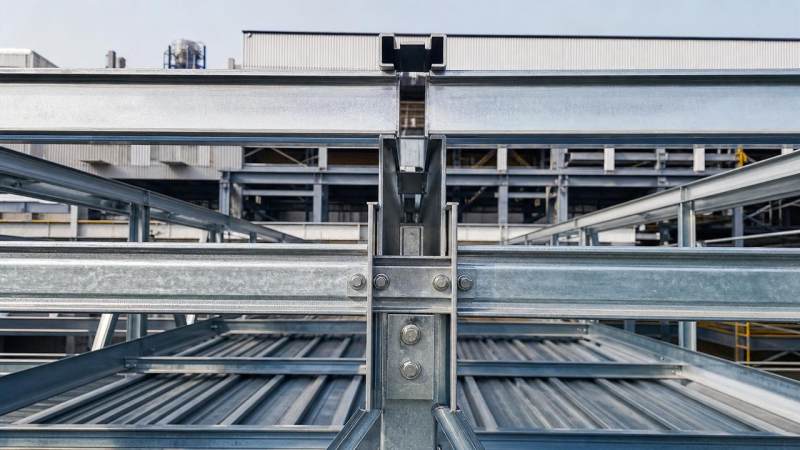
A steel channel is a structural section shaped like the letter C or U. It combines a flat web with two flanges, creating a practical balance of strength and weight.
This shape performs well in support and framing applications. It is easier to install than many heavier sections while still providing dependable load-bearing capacity.
Steel Channel for construction projects is often selected because it works across light, medium, and some heavy structural duties. It also adapts well to fabrication, welding, and bolted assembly.
Common variants include mild carbon steel, galvanized steel, and stainless steel grades. Selection depends on load requirements, weather exposure, corrosion risk, and project budget.
Why the shape matters
- The web helps resist vertical loads.
- The flanges improve stiffness and connection options.
- The profile reduces unnecessary material use.
- The open section supports easier handling and fabrication.
Industry Background and Current Selection Priorities
Modern construction increasingly focuses on efficient material use, faster installation, and reliable compliance with standards. These priorities explain the continued demand for channel sections.
Steel Channel for construction projects fits these needs because it offers standardization, broad availability, and compatibility with many structural systems used worldwide.
As construction methods become more modular, channel steel remains useful. It integrates well with prefabricated assemblies, steel frames, equipment supports, and secondary structures.
Structural and Commercial Value in Building Systems
The popularity of Steel Channel for construction projects comes from both engineering logic and commercial practicality. It serves structural needs without creating unnecessary complexity.
Key structural advantages
- Good strength-to-weight ratio for support members.
- Stable geometry for bracing and framing lines.
- Easy cutting, drilling, welding, and bolting.
- Suitable for repetitive structural layouts.
Key commercial advantages
- Lower total system cost in many secondary applications.
- Broad market supply reduces sourcing risk.
- Flexible specifications support custom fabrication.
- Protective finishes improve service life and maintenance value.
A practical example is Channel In Steel, which is supplied for construction, brackets, wall beams, lightweight roofs, purlins, and mechanical support members.
Available grades include Q195, Q235, Q345B, Duplex, and 201 to 316 stainless options. Thickness ranges from 1.5mm to 25mm, with lengths from 6m to 12m.
With heights from 80mm to 160mm, plus galvanized finishes, it addresses requirements for high strength, weldability, and anti-corrosion performance across varied building environments.
Typical Applications and Section Selection Paths
Steel Channel for construction projects appears in both primary and secondary systems. It is especially common where linear support, edge framing, or connection efficiency is needed.
Common decision factors
- Required load capacity and span length.
- Exposure to moisture, chemicals, or coastal air.
- Connection design and fabrication method.
- Applicable standard, tolerance, and inspection level.
- Delivery schedule and stock availability.
Practical Specification and Quality Considerations
Choosing Steel Channel for construction projects should go beyond basic size comparison. Performance depends on grade, dimensions, finish, tolerance control, and production consistency.
Points worth checking before ordering
- Material grade matches the design requirement.
- Dimensional tolerance supports assembly accuracy.
- Coating type suits the service environment.
- Mill testing and inspection records are available.
- Export packing protects straightness and surface condition.
For outdoor or humid applications, galvanized channel sections often provide a better lifecycle result. In aggressive environments, stainless grades may justify higher initial cost.
Reliable production matters as much as the section itself. Consistent thickness, height tolerance, and finish quality improve fit-up, reduce rework, and support faster installation onsite.
Established suppliers with international standard experience can simplify cross-border sourcing. This becomes more important when projects require ASTM, DIN, JIS, BS, or GB/T alignment.
Business Relevance and Next-Step Evaluation
Steel Channel for construction projects remains widely used because it delivers a rare combination of structural utility, fabrication convenience, and commercial efficiency.
It supports walls, roofs, platforms, brackets, and reinforcement systems without forcing excessive weight or cost into the design. That balance explains its long-term role in construction.
When comparing options, review application loads, exposure conditions, standards, and fabrication needs together. This approach leads to a more durable and cost-effective steel solution.
Hongteng Fengda supplies structural steel products for global building and industrial use, including channel steel, angle steel, steel beams, cold formed profiles, and custom components.
For projects requiring stable quality, prompt delivery, and export-ready support, a detailed specification review is the best next step before final material confirmation.
Please give us a message


Please enter what you want to find