In high-humidity outdoor installations, corrosion resistance isn’t optional—it’s critical. While pre-galvanized sheet and galvanized steel conduit offer baseline protection, hot-dipped galvanized pipe delivers superior zinc coating thickness and metallurgical bond, ensuring decades of reliability where moisture, salt, and temperature swings accelerate degradation. As a trusted carbon steel pipe supplier and galvanized steel sheet supplier, Hongteng Fengda leverages ASTM/EN-compliant hot-dip galvanizing processes—distinct from thinner pre-galvanized alternatives—to meet the demands of global infrastructure projects. Whether you're comparing against 316L stainless steel plate for cost-performance balance or evaluating long-term TCO, this analysis clarifies why hot-dipped galvanized pipe is the engineering and procurement choice for durability, safety, and lifecycle value.
Why Hot-Dip Galvanizing Delivers Unmatched Corrosion Resistance in Humid Environments
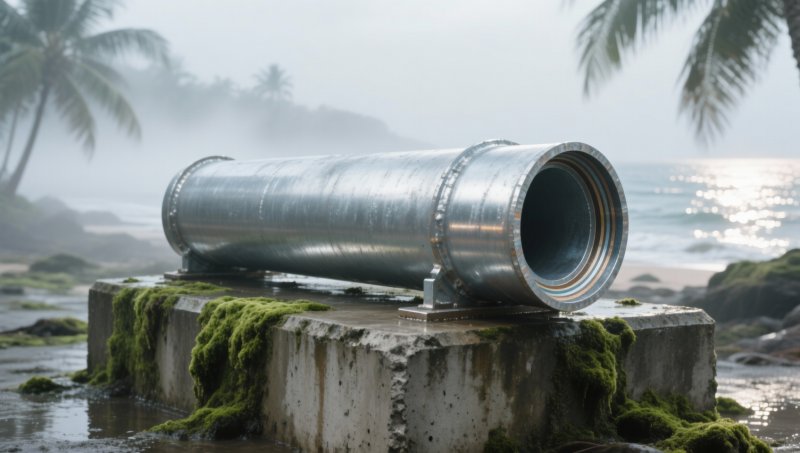
Hot-dip galvanizing immerses steel in molten zinc at ~450°C, forming a series of intermetallic alloy layers (Gamma, Delta, Zeta) topped by pure zinc. This creates a metallurgically bonded coating averaging 85–100 µm thick—more than 3× thicker than typical pre-galvanized coatings (25–40 µm). In coastal zones or tropical regions with >80% RH and frequent condensation cycles, that extra mass directly translates to service life extension: 20–25 years vs. 7–12 years for pre-galvanized alternatives under identical exposure.
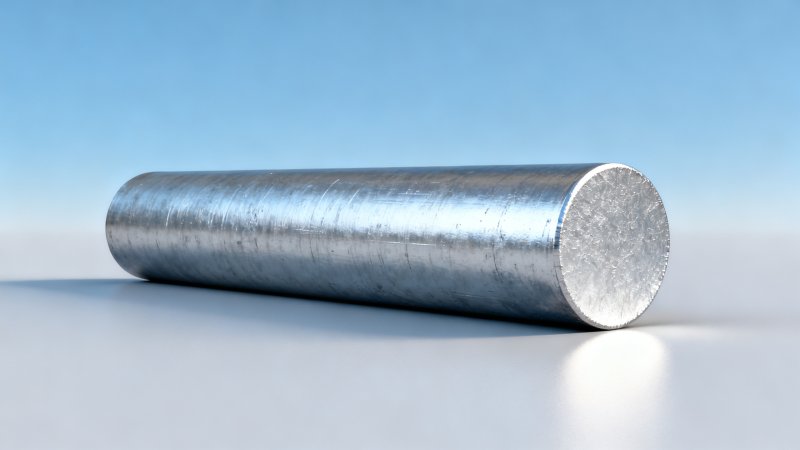
The process also seals cut edges and weld zones—critical for structural applications like Galvanized Round Steel used in electric power towers and marine components. Pre-galvanized steel lacks self-healing capability; scratches expose bare substrate immediately. Hot-dip coatings sacrifice sacrificial zinc at damaged sites, delaying red rust onset by 3–5 years even after mechanical abrasion.
Independent ASTM B117 salt-spray testing confirms this performance gap: hot-dip galvanized round steel withstands ≥1,500 hours before white rust formation, while pre-galvanized equivalents fail at 400–600 hours. For substation ancillary facilities or highway protection systems requiring zero unplanned maintenance over 15-year design life, that difference defines project risk exposure.
How Application Demands Dictate Coating Selection
Not all outdoor environments impose equal stress. High-humidity installations fall into three tiers based on chloride exposure, thermal cycling, and mechanical wear:
- Level 1 (Moderate): Inland urban street light poles or building steel structure components—annual rainfall >1,000 mm, RH 65–75%. Pre-galvanized may suffice for 10-year service if recoated every 5 years.
- Level 2 (High): Coastal communication towers, railway bridges, or marine components—chloride deposition >50 mg/m²/day, RH >80%, diurnal temperature swings ±15°C. Hot-dip galvanizing is non-negotiable for 20+ year integrity.
- Level 3 (Extreme): Offshore substation ancillary facilities or automatic lathe processing tooling exposed to salt fog + UV + vibration. Requires HDG + supplementary epoxy topcoat or duplex system.
For applications like optical fiber connector housings or medical equipment frames—where dimensional precision matters—hot-dip galvanizing adds minimal distortion (±0.15 mm tolerance shift), unlike electroplating which risks hydrogen embrittlement in high-strength grades. Our Galvanized Round Steel meets ISO h8/h9 tolerances and maintains tensile strength between 570–820 MPa post-coating.
Coating Performance Comparison Across Critical Metrics
The table below compares key performance parameters for hot-dip galvanized versus pre-galvanized steel in humid conditions:
This data-driven distinction explains why telecom operators across Southeast Asia specify hot-dip galvanized round steel for 5G tower guy wires—and reject pre-galvanized bids outright when site audits reveal humidity-driven pitting within 18 months.
Procurement Checklist: What Technical & Commercial Teams Must Verify
When sourcing for high-humidity deployments, procurement and technical evaluation teams must jointly validate five criteria before awarding contracts:
- Zinc bath chemistry compliance: Confirm Al content 0.005–0.02% (ASTM A123) to ensure uniform alloy layer formation—not just “zinc coated” claims.
- Batch traceability: Each coil or bundle must carry heat number, galvanizing date, and independent test report (e.g., EN ISO 1461 verification).
- Dimensional stability guarantee: Cold-drawn Galvanized Round Steel must retain ISO h8/h9 tolerances post-galvanizing—verified via CMM reports.
- Delivery readiness: Standard lead time for custom diameters (16–250 mm) and lengths is 2–4 weeks from PO confirmation, with 100% inspection prior to shipment.
- Certification alignment: All shipments include dual-certified documentation (ASTM + EN) and third-party SGS/CCIC reports upon request.
Hongteng Fengda’s production facility in Hebei Province operates ISO 9001-certified galvanizing lines with real-time bath temperature monitoring and automated thickness mapping—ensuring every meter of steel meets ASTM A123 Class C or EN ISO 1461 Grade 1 specifications.
Why Global Infrastructure Projects Choose Hongteng Fengda
We don’t just supply galvanized steel—we de-risk your project timeline, budget, and compliance posture. With 12+ years serving North America, Europe, and the Middle East, our clients rely on us for:
- End-to-end traceability: From raw material mill certificates (GB/T 700 Q235B or ASTM A569) through galvanizing batch logs and final packaging reports.
- OEM flexibility: Custom diameters (16–250 mm), lengths, surface finishes (ground or as-drawn), and packaging configurations—including export-grade wooden crates for marine transit.
- TCO optimization: Up to 35% lower total ownership cost vs. stainless alternatives over 20 years—factoring in material, installation, inspection, and maintenance savings.
- Global logistics support: FOB Qingdao/Shanghai, CIF options with bonded warehouse access in Rotterdam and Dubai, and documentation aligned with EU REACH, US CBP, and GCC standards.
Whether you’re specifying for railway signaling masts, optical disc drive chassis, or clean car sweeper frames, our team provides rapid technical consultation, free sample kits (including cross-section micrographs), and formal quotations within 48 business hours. Contact us today to discuss your next high-humidity application—or request ASTM/EN-compliant test reports for specific diameter and length configurations.
Please give us a message


Please enter what you want to find