Choosing the right tying material affects site speed, handling quality, and long-term durability. That is why understanding when to use hot dipped galvanized wire for tying rebar matters in modern steel and concrete construction.
In outdoor slabs, marine zones, bridges, foundations, and humid industrial projects, tie wire faces moisture, chlorides, and jobsite wear. The wrong choice may not weaken concrete directly, but it can create corrosion concerns during storage, placement, and early service life.
As construction standards continue rising, hot dipped galvanized wire for tying rebar is becoming a more deliberate material decision. It supports cleaner handling, improved corrosion resistance, and better suitability for exposed or aggressive environments.
Why usage conditions are changing for hot dipped galvanized wire for tying rebar
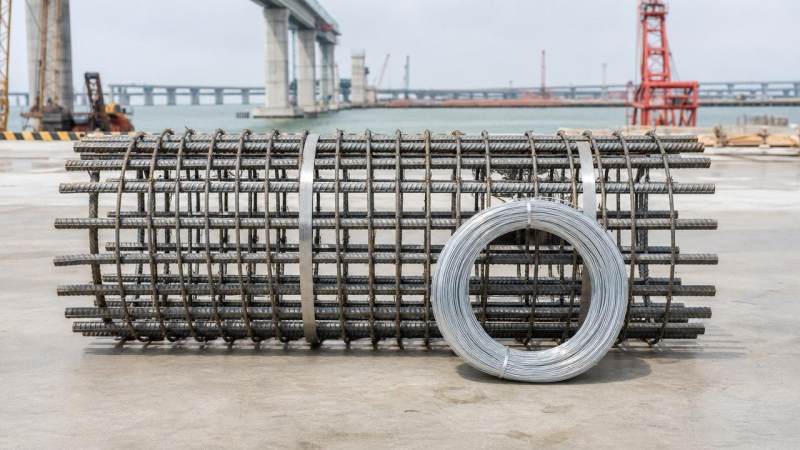
Construction environments are becoming harsher, while project owners expect longer service life. This combination is pushing more attention toward accessories once treated as minor items, including rebar tie wire.
In the past, plain annealed wire was often accepted for general tying. Today, exposure classification, storage time, and surface protection requirements are more carefully reviewed.
This shift does not mean galvanized wire is always required. It means material selection is becoming more environment-driven, especially where corrosion risk begins before concrete placement is complete.
Key trend signals seen across steel-intensive projects
- More outdoor prefabrication and longer staging periods
- Higher use of rebar in coastal and humid regions
- Greater concern over rust staining during construction
- Stronger focus on consistency across accessory materials
- Broader use of corrosion-resistant reinforcement systems
When hot dipped galvanized wire for tying rebar becomes the better choice
The best time to use hot dipped galvanized wire for tying rebar is when moisture exposure is frequent, storage periods are extended, or the surrounding environment accelerates corrosion.
It is especially suitable when tied reinforcement cages are assembled off-site, transported in open conditions, or left uncovered before pouring. In these cases, surface protection provides practical value.
Typical project situations
These scenarios explain why hot dipped galvanized wire for tying rebar is often selected for durability-sensitive work, even though the wire itself is not the main structural element.
What is driving wider interest in corrosion-resistant tying materials
The trend is not random. It is linked to project sequencing, steel protection strategies, and tighter quality expectations throughout the construction chain.
In related steel supply chains, the same emphasis on performance and controlled specifications appears in flat steel sourcing. For example, Hrc Coil is widely used where high load-bearing capacity, structural lightweighting, and stable standards compliance matter.
Available in grades such as Q195, Q235, Q345, SPHC, SPHD, SPHE, and SS490, it covers thicknesses from 0.12-12mm and widths from 100-2000mm, supporting ASTM, EN, JIS, and GB/T aligned applications.
How hot dipped galvanized wire for tying rebar affects different project stages
Material choice influences more than corrosion resistance. It also affects handling, temporary exposure behavior, and how reinforcement assemblies perform before concrete locks everything in place.
During storage and transport
Hot dipped galvanized wire for tying rebar generally holds up better where condensation, rain, or uncovered transport can cause quick surface rust on untreated wire.
During cage assembly
Where crews assemble large cages outdoors, galvanized wire may provide cleaner hands, fewer red rust traces, and more stable appearance after repeated handling.
Before the concrete pour
Delays happen. If reinforcement remains exposed for several days or weeks, hot dipped galvanized wire for tying rebar reduces the chance of visible deterioration in wet conditions.
In exposed reinforcement systems
When epoxy-coated or galvanized rebar is specified, matching tie wire selection may better support the overall protection concept and avoid inconsistent accessory performance.
Where its advantages are real and where they are often overstated
A balanced view is important. Hot dipped galvanized wire for tying rebar is useful, but it is not automatically necessary for every interior or dry-condition application.
- Useful in wet, outdoor, coastal, or chemically active environments
- Useful when storage or pre-pour exposure is prolonged
- Useful when appearance and corrosion consistency are priorities
- Less critical in dry, enclosed, fast-cycle interior construction
- Not a substitute for proper rebar cover or concrete quality
This distinction helps control cost without overspecification. The decision should match exposure level, schedule risk, and durability requirements, not simply habit.
What to review before specifying hot dipped galvanized wire for tying rebar
Before selection, several practical checkpoints should be reviewed. These points help translate general corrosion concerns into a clear material decision.
Core review points
- Exposure class during storage, assembly, and pre-pour stages
- Whether the site is coastal, humid, underground, or industrial
- Expected delay risk between tying and concrete placement
- Compatibility with galvanized or coated reinforcement systems
- Required wire flexibility and tying productivity
- Local code, project specification, or owner durability expectations
The answer to when to use hot dipped galvanized wire for tying rebar often becomes clear after this review. If multiple risks are present, galvanized wire usually makes practical sense.
How steel suppliers and project teams can respond to this material trend
The broader trend points toward smarter accessory selection rather than simple material upgrade. Teams that manage steel products should build this into planning, quotations, and technical communication.
For global steel projects, dependable supply also matters. Hongteng Fengda supports structural steel requirements with stable production, strict quality control, and compliance with ASTM, EN, JIS, and GB standards.
From angle steel and channels to beams, cold formed profiles, and customized components, the company helps reduce sourcing risk and improve project continuity across international markets.
A practical judgment for upcoming construction decisions
When to use hot dipped galvanized wire for tying rebar depends on exposure, timing, and durability goals. It is most valuable where moisture, salt, storage time, or industrial conditions raise corrosion risk.
It may be unnecessary in protected indoor work with fast construction cycles. But in outdoor and corrosion-prone settings, it is becoming a sensible response to real project conditions.
If a steel or construction program includes exposed reinforcement handling, prefabricated cages, or demanding environments, review tie wire selection early. A small accessory decision can support cleaner execution and longer-lasting structural performance.
Please give us a message


Please enter what you want to find