Choosing the right cable matters for safety, flexibility, and long-term performance. 3mm stainless steel wire rope 7x19 construction is a practical option when operators need a small-diameter rope with high flexibility, corrosion resistance, and dependable strength for light-duty industrial, marine, architectural, or equipment applications. Understanding where it performs best helps users improve handling, reduce maintenance issues, and select a more reliable solution for daily operations.
When Is 3mm Stainless Steel Wire Rope in 7x19 Construction the Right Choice?
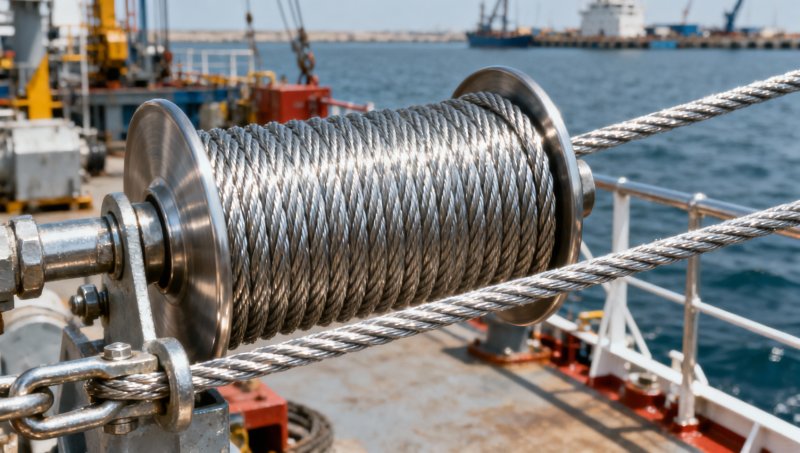
If you are searching for 3mm stainless steel wire rope 7x19 construction, your main question is usually simple: will this rope work safely and smoothly in real operating conditions?
In most cases, the answer is yes when the application needs frequent bending, compact diameter, corrosion resistance, and moderate working load instead of maximum rigidity or very heavy lifting capacity.
The 7x19 design means the rope contains seven strands, with nineteen wires in each strand. That creates a flexible structure that bends more easily than stiffer constructions.
For operators, that flexibility matters in daily use. It helps the rope move around pulleys, drums, guides, handrails, winches, and control systems with less resistance during operation.
A 3mm diameter is also small enough for compact assemblies. It is often selected where limited installation space, lower weight, and easier handling are more important than extreme load performance.
This does not make it a universal solution. It is best for light-duty and medium-flex applications, especially where moisture, weather, cleaning chemicals, or marine exposure can shorten the life of ordinary steel rope.
What Operators Usually Need to Know Before Choosing It
Most users are not looking for a textbook definition. They want to know whether the rope will last, stay manageable, resist rust, and perform consistently without creating unnecessary downtime.
That means four practical concerns usually matter most: flexibility, corrosion resistance, safe working load, and compatibility with the equipment or structure where the rope will be installed.
Operators also care about surface feel and handling. A rope that is too stiff can be harder to guide, harder to coil, and more likely to fatigue early in bending applications.
At the same time, a rope that is chosen only for flexibility without checking load requirements can become a safety risk. Selection should always balance movement, environment, and strength.
This is why 3mm stainless steel wire rope 7x19 construction is often evaluated by use case rather than by diameter alone. The same rope can be suitable in one system and wrong in another.
Where 3mm 7x19 Stainless Steel Wire Rope Performs Best
The strongest use cases are applications where the rope moves often, bends repeatedly, or must operate in damp or corrosive environments while still remaining easy to handle.
Marine and waterfront equipment is one common example. Small winch lines, guard systems, lashing points, and general rigging supports often benefit from stainless wire rope because corrosion resistance is critical.
Architectural installations are another good match. Balustrades, cable rails, decorative tension systems, and suspended display components often require a neat appearance along with reliable outdoor durability.
Gym equipment, pulley-based systems, and fitness machines can also use this construction because the rope must cycle through repeated bending without becoming overly rigid during operation.
Industrial control cables and light mechanical linkages may also benefit when the rope must move through guides or around sheaves in a predictable and compact way.
In agriculture, packaging, food-adjacent handling areas, and light transport equipment, stainless rope is often preferred when washdown, humidity, or contamination concerns make carbon steel less practical.
For portable assemblies and field-installed systems, the smaller diameter also improves handling. Operators can route it more easily through tight hardware and compact connection points.
Why 7x19 Construction Is Often Preferred Over Stiffer Alternatives
Not all wire rope constructions behave the same way. A 7x19 rope is generally more flexible than 1x19 or 7x7 designs, which changes how it performs in actual service.
1x19 construction is relatively stiff and is often chosen for static applications such as straight tension lines, bracing, or railing systems with minimal movement after installation.
7x7 offers a middle ground, with moderate flexibility and moderate firmness. It can suit some general-purpose uses but may still feel less workable in tight bending conditions.
7x19 is typically the better choice when the rope must travel around pulleys or bend repeatedly. Its finer wire arrangement reduces stiffness and supports smoother movement in dynamic applications.
For operators, that difference often shows up during installation and daily use. The rope feeds more easily, coils with less resistance, and performs better where motion is built into the system.
The tradeoff is that highly flexible constructions should still be matched carefully with the correct end fittings, bend radius, and working load. Flexibility improves usability but does not replace engineering judgment.
How to Judge Whether It Fits Your Working Load and Safety Needs
One of the most common selection mistakes is assuming stainless rope is chosen only by corrosion resistance. In reality, load planning is just as important as material choice.
Before using a 3mm rope, operators should check the required working load, expected peak load, shock loading risk, and whether the rope will be supporting people, equipment, or static components.
Breaking strength and safe working load are not the same. The safe working load should always include a proper safety factor based on the actual application and local standards.
If the rope will see sudden jerks, vibration, repeated cycling, or misalignment, the effective service stress can be much higher than the nominal load value suggests.
It is also important to verify pulley diameter and bend ratio. Even a flexible 7x19 rope will fatigue faster if forced over hardware that is too small or poorly aligned.
For critical applications, operators should confirm specifications directly with the supplier, including material grade, rope construction, test data, and recommended use limitations.
That step is especially important in export and project sourcing, where apparent size matches do not always mean identical performance across different production sources.
How Stainless Material Improves Service Life in Wet or Harsh Environments
One major reason users choose stainless wire rope is durability in conditions where ordinary galvanized or plain steel rope may corrode too quickly.
Moisture, salt spray, chemical splashes, washdown routines, and outdoor temperature changes can all shorten rope life if the material is not resistant enough for the environment.
Stainless steel helps reduce visible rust, surface deterioration, and strength loss caused by ongoing corrosion. That makes maintenance more predictable and replacement intervals easier to manage.
In marine and coastal use, this matters even more. Salt exposure accelerates corrosion aggressively, especially where rope surfaces trap moisture or where fittings create crevices.
In many industrial projects, buyers also use corrosion-resistant stainless materials across surrounding components to extend overall system life. For example, sheet and plate products such as 316 Stainless Steel Plate are often specified in related structures, guards, machine covers, food equipment, ship parts, and chemically exposed assemblies.
That material is known for resistance to pitting and corrosion, improved high-temperature performance, and useful behavior in acidic environments, which makes it valuable in demanding service conditions.
When rope, fittings, and nearby fabricated parts are selected with the same environmental demands in mind, the entire installation usually performs more consistently over time.
What to Check During Installation and Daily Use
Even the right rope can fail early if installation quality is poor. Operators should inspect the rope before use and confirm there are no kinks, crushed sections, broken wires, or contamination.
End terminations should match the rope construction and intended load. Incorrect clips, sleeves, or swage fittings can reduce actual performance far below the rope’s rated capability.
Routing matters as well. The rope should not rub against sharp edges, twisted anchor points, or misaligned pulleys that cause uneven wear during movement.
Users should also avoid forced bending below the recommended radius. Tight bends increase internal stress and accelerate fatigue, especially in systems with repeated cycling.
In daily operation, regular inspection should focus on strand distortion, diameter reduction, corrosion spots, wire breaks, and abnormal stiffness. These are common early warning signs.
Where cleanliness matters, such as food-related or washdown environments, routine cleaning also helps preserve performance. Dirt and chemical buildup can trap moisture and increase wear over time.
Good storage is another simple factor. Keeping spare rope dry, protected, and loosely handled prevents avoidable damage before installation even begins.
When You Should Not Use This Rope
Although 3mm stainless steel wire rope 7x19 construction is versatile, it is not the right answer for every job. That is important for both safety and cost control.
If the application is heavy lifting, high shock loading, or critical load-bearing beyond light-duty limits, a larger diameter or different rope design may be necessary.
If the system is mostly static and needs maximum stiffness with minimal stretch-like movement, a stiffer construction may perform better than 7x19.
It may also be the wrong choice where abrasion is severe, where sharp edge contact cannot be controlled, or where the rope will be exposed to conditions outside the material’s intended range.
For regulated lifting, personnel support, or engineered structural systems, selection should never be based on general description alone. Verified technical data and compliance review are necessary.
In short, this rope is a practical solution for many light and flexible uses, but it should not be pushed into duties that require substantially more capacity or a different performance profile.
How Buyers and Operators Can Make a Better Final Decision
The best selection process starts with the actual operating condition, not the catalog page. Ask how the rope will move, what it will carry, and what kind of environment it will face.
Then check the essentials: rope construction, diameter, stainless grade, breaking strength, recommended working load, fitting compatibility, and inspection requirements.
If the application includes corrosive exposure or adjacent stainless fabrication, it also helps to think about the wider material system. Matching corrosion-resistant components can reduce long-term maintenance issues.
For example, projects involving machine structures, food equipment, transport components, marine fabrication, or chemical service often combine wire rope with plate, profiles, and formed stainless parts for better durability.
Materials such as 316 Stainless Steel Plate are commonly selected in those broader assemblies because their molybdenum content supports stronger pitting and corrosion resistance.
For international sourcing, working with a supplier that understands standards, traceability, and application-based recommendations is just as important as comparing price.
That approach helps operators avoid mismatched specifications, uncertain quality, and preventable service failures after installation.
Conclusion
3mm stainless steel wire rope 7x19 construction is most useful when operators need a compact, flexible, corrosion-resistant rope for light-duty applications involving movement, bending, and outdoor or wet exposure.
Its main value is not just stainless material or small size alone. The real advantage comes from combining flexibility, manageable handling, and dependable performance in the right working conditions.
For marine fittings, architectural cables, pulley systems, control linkages, and other light mechanical uses, it is often a strong practical choice when load limits and hardware compatibility are checked carefully.
If users focus on real service conditions, installation quality, and proper safety margins, they can judge much more accurately whether this rope is the right fit for the job.
Please give us a message


Please enter what you want to find