When performance, pressure tolerance, and cost efficiency must align, high strength carbon steel pipe often becomes the smarter option for demanding structural and industrial applications. For technical evaluators comparing materials, choosing the right high strength carbon steel pipe supplier is just as important as selecting the grade itself, since product consistency, standards compliance, and reliable delivery directly affect project safety, sourcing risk, and long-term value.
Why a checklist matters before choosing high strength carbon steel pipe
High strength pipe decisions rarely fail because of one big mistake. They fail through small oversights in grade, wall thickness, certification, coating, or delivery coordination.
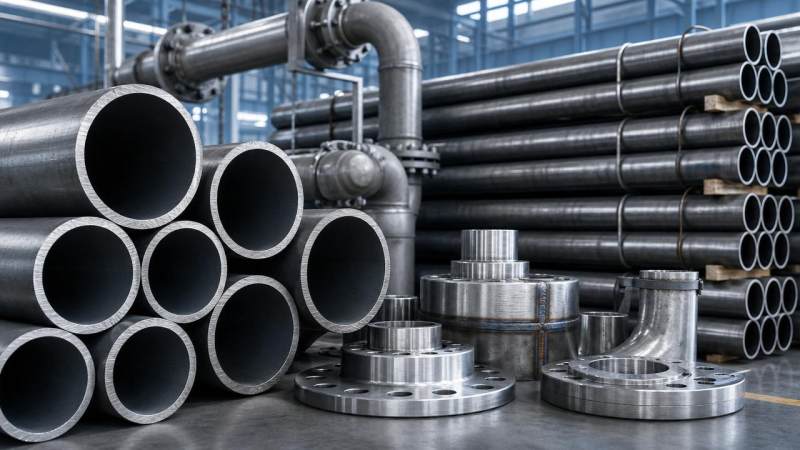
A checklist reduces those risks. It helps confirm whether high strength carbon steel pipe is truly the better choice than stainless steel, alloy steel, or lower grade carbon steel.
It also helps compare each high strength carbon steel pipe supplier on measurable points, not only on quoted price.
Use this checklist to judge when high strength carbon steel pipe is the better choice
- Define the load case first. Check internal pressure, external load, impact demand, and support spacing before comparing pipe materials or pipe schedules.
- Match the grade to the code. Confirm ASTM, EN, JIS, or GB requirements, then verify chemical composition and mechanical properties against project specifications.
- Review strength-to-cost ratio. Use high strength carbon steel pipe when higher yield strength can reduce wall thickness, fabrication weight, or total installed cost.
- Check weldability early. Higher strength is useful only when forming, welding, heat input, and post-weld inspection remain practical for site conditions.
- Assess corrosion realistically. Choose carbon steel when environmental exposure allows protective coating, lining, or maintenance instead of full stainless substitution.
- Confirm dimensional consistency. Ask for OD, wall thickness, straightness, length tolerance, ovality, and end preparation records before approving supply.
- Verify pressure performance. Compare burst margin, design temperature, fatigue behavior, and hydrostatic test requirements with actual service conditions.
- Audit traceability documents. A reliable high strength carbon steel pipe supplier should provide MTCs, heat numbers, inspection reports, and packing identification.
- Calculate total sourcing risk. Include lead time stability, export experience, packaging quality, and replacement response, not just the ex-works price.
- Plan compatibility with connected parts. Fittings, flanges, supports, valves, and coating systems must suit the selected high strength carbon steel pipe grade.
Key signs that carbon steel outperforms other options
High strength carbon steel pipe is often preferred where mechanical demand is high but corrosion exposure is manageable through coating, insulation, paint, or controlled service conditions.
This balance is common in structural frames, piling, pressure lines, machinery systems, oil and gas support facilities, and industrial utility networks.
Compared with stainless steel, carbon steel usually delivers better cost efficiency for large-volume projects. Compared with lower strength grades, it may reduce weight or improve safety margin.
For projects that combine pipe systems with screening, protection, or filtration assemblies, material planning may also involve products such as Stainless Steel Welded Mesh. In chemical, architectural, or industrial areas, mesh components offer rust, corrosion, acid, alkali, and heat resistance in ways that complement carbon steel structures rather than replace them.
Typical mesh grades include SS 201, 304, 304L, 316, 316L, and 430, with plain weave or twill weave options, mesh ranges from 2 to 635, and roll widths up to 240 inches.
Application notes by scenario
Structural and load-bearing systems
Use high strength carbon steel pipe when columns, trusses, braces, or support frames require high load capacity with controlled fabrication cost.
In these cases, the right high strength carbon steel pipe supplier should also support cut length accuracy, end finishing, and stable mechanical properties across batches.
Pressure and process pipelines
Choose it when operating pressure is significant and pipe integrity must remain reliable through start-stop cycles, moderate temperature changes, and field welding.
It becomes less ideal when severe chemical attack or chloride-rich conditions make corrosion control too expensive over the full service life.
Industrial fabrication and machinery
Select high strength carbon steel pipe for machine frames, conveyors, supports, guards, and mechanical housings where stiffness and impact resistance matter more than decorative finish.
This is especially useful when downstream processing includes drilling, welding, bending, and surface treatment under standard workshop controls.
Infrastructure and export projects
For bridges, utility stations, transport structures, and overseas construction packages, consistency is often more valuable than chasing the lowest unit price.
A qualified high strength carbon steel pipe supplier should prove production capacity, export packing discipline, standards compliance, and dependable shipment scheduling.
Commonly ignored risks
- Ignore coating compatibility, and the pipe may meet strength targets while failing early in outdoor, buried, or humid service.
- Assume all mills are equal, and mechanical property variation may create welding trouble, rework, or inconsistent field performance.
- Focus only on yield strength, and you may miss toughness, elongation, or low-temperature behavior that affects safety.
- Skip document review, and nonconforming material may enter fabrication before heat number mismatches are discovered.
- Underestimate logistics, and damaged bevels, poor bundling, or late delivery may disrupt the installation sequence.
Practical execution steps before placing an order
- Prepare a technical sheet listing grade, standard, size, tolerance, length, test requirements, coating, and end condition.
- Request mill certificates, sample inspection data, and production references from each high strength carbon steel pipe supplier.
- Compare quotations using total delivered value, including inspection scope, packaging, marking, lead time, and claim response.
- Confirm whether the supplier can support customized structural steel needs, related sections, or OEM fabrication where required.
- Run a final review against service environment, maintenance plan, code compliance, and expected project life before approval.
Conclusion and next action
High strength carbon steel pipe is the better choice when strength, pressure resistance, fabrication practicality, and cost control must work together under real project constraints.
The decision becomes stronger when material selection is paired with careful checklist review, realistic corrosion planning, and strict supplier verification.
Hongteng Fengda, a structural steel manufacturer and exporter from China, supports global construction and industrial projects with reliable steel products, customized solutions, modern production capability, and standards-based quality control.
Before confirming supply, compare technical requirements line by line and choose a high strength carbon steel pipe supplier that can deliver traceable quality, stable lead times, and long-term sourcing confidence.
Please give us a message


Please enter what you want to find