Rebar is one of the most important steel materials in concrete construction because concrete handles compression well but performs poorly under tension. By adding reinforcing bars inside slabs, beams, columns, and foundations, builders improve crack control, load capacity, and long-term durability. That is why understanding what rebar is used for, how grades differ, and where each type fits matters for cost, safety, and project performance.
Why Rebar Matters in Construction
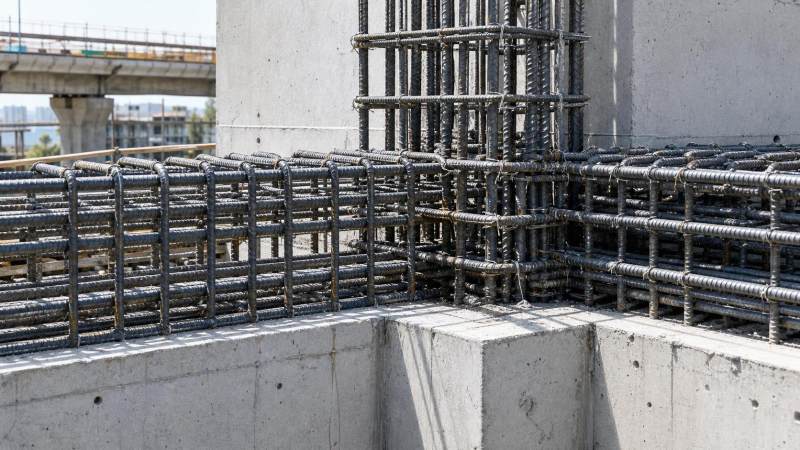
At a basic level, Rebar works as the tensile backbone inside reinforced concrete. It helps a structure resist bending, stretching, and localized stress that plain concrete alone cannot absorb efficiently.
This becomes critical in buildings, bridges, retaining walls, highways, tunnels, ports, and factory floors. In each case, the steel and the concrete work together rather than acting as separate materials.
From an industry perspective, rebar selection also affects installation speed, fabrication waste, and procurement risk. Material that matches design loads and local codes reduces avoidable rework later.
What Rebar Is Actually Used For
The most direct use of Rebar is to strengthen concrete members exposed to tensile and shear forces. That includes both primary structural components and smaller internal reinforcement details.
In slabs and pavements, rebar helps distribute loads and control shrinkage cracking. In beams, it supports bending resistance. In columns, it improves confinement and structural continuity.
In foundations, rebar supports load transfer from buildings or equipment into the ground. In bridge decks and road structures, it helps maintain stability under repeated traffic and temperature changes.
It is also widely used in stirrups, ties, cages, precast components, industrial bases, and reinforced retaining systems. The application changes, but the core purpose stays the same: better structural performance under real service conditions.
Common Types of Rebar and Where They Fit
Not all Rebar performs the same way. Surface pattern, material composition, corrosion resistance, and forming behavior all influence where a product should be used.
Deformed rebar
This is the most common choice in structural concrete. Ribs or deformation patterns improve bonding with concrete and reduce slip under load.
Plain round rebar
Plain bars are often used for light reinforcement, ties, stirrups, and applications where bending and handling flexibility are important.
Epoxy-coated or galvanized rebar
These options are selected when corrosion is a stronger concern, such as marine works, bridges, or structures exposed to salts and moisture.
Stainless and specialty reinforcement
Higher-cost reinforcement can make sense where maintenance access is difficult or where aggressive service conditions shorten normal steel life.
Grades and Strength Levels in Practical Terms
Rebar grades describe mechanical performance, especially yield strength. In simple terms, the grade helps determine how much stress a bar can take before it begins permanent deformation.
Different markets use different naming systems. Common references include HPB300, HRB400, HRB500, ASTM A615 Grade 40, Grade 60, and BS4449 Grade 460.
Lower grades may suit lighter reinforcement or forming-intensive applications. Higher grades are often selected for heavier structural demand, higher loads, or designs that aim to reduce bar quantity.
Still, higher strength is not automatically better. Bending performance, weldability, code compatibility, and fabrication requirements should be checked together.
A practical mid-project example
For stirrup work, light load-bearing reinforcement, and general structural concrete, HPB300 Rebar is often considered where moderate cost and easy processing are priorities.
Its standard yield strength is no less than 300 MPa, and common sizes range from 6mm to 50mm. Smaller diameters are often supplied in coil, while 10mm to 22mm are commonly delivered as straight bars.
Typical surface forms include spiral, herringbone, and crescent patterns. Depending on the project and destination market, related specifications may also align with HRB300, HRB400, HRB500, A615 GR40, GR60, or BS4449 GR460 references.
That kind of range matters in export supply because buyers often need both code familiarity and stable manufacturing consistency across multiple shipments.
Where Rebar Is Most Commonly Applied
The use of Rebar becomes clearer when viewed by project type rather than by material category alone.
Building frames
Residential, commercial, and mixed-use buildings rely on reinforced concrete slabs, columns, shear walls, and footings. Rebar supports load transfer and structural integrity through the full frame.
Transport infrastructure
Bridges, highways, pavements, airport aprons, and rail structures use rebar to resist dynamic loading, thermal movement, and repeated fatigue cycles.
Industrial and energy projects
Heavy equipment foundations, pipe supports, plant structures, and storage areas often require robust reinforcement because vibration, concentrated loads, and service stress are more demanding.
Civil and retaining works
Retaining walls, drainage channels, culverts, and underground structures depend on reinforcement to manage pressure, cracking, and soil interaction over time.
What Buyers and Project Teams Usually Check
Choosing Rebar is rarely only about diameter. The better decisions usually come from checking the full supply and application context.
- Grade and yield strength against structural calculations.
- Compliance with ASTM, EN, JIS, GB, or other required standards.
- Bar size availability and whether supply is in coil or straight lengths.
- Surface pattern and bond behavior for reinforced concrete use.
- Fabrication needs such as bending, cutting, tying, or welding.
- Corrosion exposure, especially for marine or outdoor infrastructure.
- Third-party inspection and certifications such as ISO9001-2008, SGS, BV, or API-related documentation where applicable.
These checks become more important on international projects, where design standards and local supply assumptions do not always match.
Why Supply Quality Matters as Much as Material Choice
A suitable Rebar grade still creates problems if the supply chain is unstable. Dimensional inconsistency, delayed delivery, or unclear mill documentation can disrupt schedules and create avoidable site risk.
This is why many global projects assess suppliers on production capability, export experience, and quality control rather than price alone.
Hongteng Fengda operates in that broader structural steel context, supplying steel products and customized solutions for construction, industrial, and manufacturing projects across several international markets.
With manufacturing support for angle steel, channel steel, steel beams, cold formed profiles, and customized components, the company aligns rebar-related decisions with the larger structural package instead of treating them in isolation.
That matters when procurement teams need consistent specifications, dependable lead times, and documentation that matches project standards from the start.
How to Make the Next Decision
The best next step is to define the application before comparing prices. A slab, bridge deck, retaining wall, and machine foundation do not place the same demands on Rebar.
After that, compare grade, size range, standard compliance, processing needs, and exposure conditions together. This creates a more reliable basis for selecting a suitable reinforcement solution.
For projects involving cross-border sourcing, it also helps to confirm production capacity, inspection support, and shipment consistency early. Those details often determine whether a technically correct specification performs well in practice.
When rebar is evaluated through both structural need and supply reliability, the result is usually better cost control, fewer site adjustments, and a clearer path from design intent to completed construction.
Please give us a message


Please enter what you want to find