Understanding ASTM A106 Gr.B Specification for Optimal Performance
For technical evaluators sourcing high-performance piping materials, understanding ASTM A106 Gr.B specification is critical for material selection and project success. As a leading structural steel manufacturer, Hongteng Fengda provides in-depth expertise on this widely-used carbon steel pipe standard, covering its chemical composition, mechanical properties, and optimal applications in high-temperature service. This guide will help you evaluate ASTM A106 Gr.B pipes with confidence, ensuring compliance with your project's technical requirements while maintaining cost-efficiency.
Why ASTM A106 Gr.B Matters for High-Temperature Applications
ASTM A106 Gr.B is the most commonly specified grade for seamless carbon steel pipes in high-temperature service. Its balanced composition of carbon (0.30% max), manganese (0.29-1.06%), and controlled levels of phosphorus and sulfur delivers reliable performance in power plants, refineries, and process piping systems operating up to 750°F (400°C).
Technical evaluators prioritize this grade because it offers superior weldability and formability compared to Gr.C, while maintaining better strength than Gr.A. The material's minimum tensile strength of 60,000 psi (415 MPa) and yield strength of 35,000 psi (240 MPa) meet the demands of most industrial applications without unnecessary over-engineering.
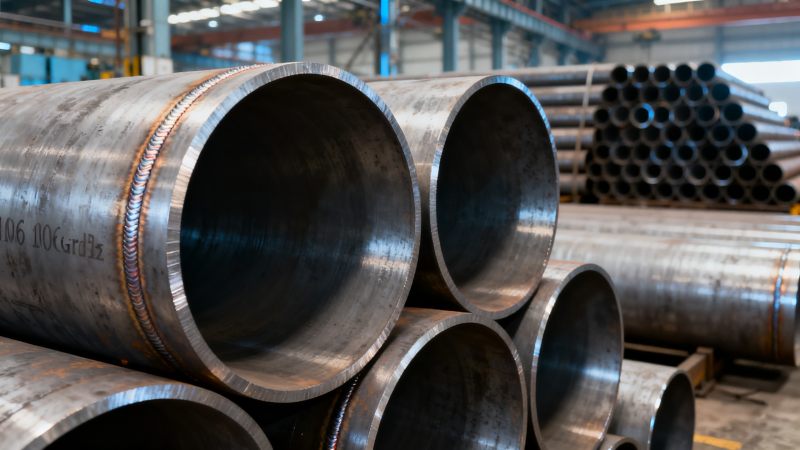
Key Technical Parameters for Material Evaluation
When assessing ASTM A106 Gr.B pipes, focus on these critical specification parameters:
Chemical Composition: The controlled carbon content (0.30% max) ensures good weldability, while manganese enhances strength. Silicon (0.10% min) improves deoxidation, and limits on phosphorus (0.035% max) and sulfur (0.035% max) prevent hot shortness.
Mechanical Properties: Verify tensile strength (60,000-90,000 psi), yield strength (35,000 psi min), and elongation (30% min for 2" specimens). These values confirm the material's ability to withstand operational stresses.
Testing Requirements: ASTM A106 mandates hydrostatic testing (minimum 1000 psi or higher per calculation), non-destructive electric testing, and optional flattening, bending, and hardness tests for quality assurance.
Complementary Materials for Structural Applications
While ASTM A106 Gr.B serves high-temperature piping needs, projects often require complementary materials like Stainless Square steel rod for structural components. Made from 201 stainless steel, these rods offer high formability (≥55-60% elongation) and hardness (≤183HB), making them suitable for construction, automotive, and manufacturing applications where corrosion resistance and strength are needed.
The square rods' technical parameters—including tensile strength (≥520 MPa) and yield strength (≥275 MPa)—align with industrial requirements, while their availability in multiple surface treatments (bright polished, mattness, etc.) provides design flexibility. Like ASTM A106 Gr.B pipes, these components comply with major standards including ASTM, AISI, and EN.
Implementation Considerations for Technical Evaluators
When specifying ASTM A106 Gr.B pipes, consider these practical factors:
Temperature Limitations: While suitable for high-temperature service, prolonged exposure above 800°F (427°C) may require alternative materials due to potential graphitization.
Corrosion Protection: In corrosive environments, evaluate the need for protective coatings or cathodic protection, as carbon steel lacks inherent corrosion resistance.
Fabrication Techniques: The material's excellent weldability allows for common welding methods (SMAW, GTAW, SAW), but follow proper preheating (200-400°F for thick sections) and post-weld heat treatment protocols when required.
Making Confident Material Decisions
Understanding ASTM A106 Gr.B specification enables technical evaluators to balance performance requirements with budget considerations. Its proven reliability in high-temperature applications, combined with global availability and standardized testing requirements, makes it a practical choice for industrial piping systems.
For projects requiring additional structural components, materials like stainless square rods provide complementary solutions with their combination of strength and formability. By thoroughly evaluating both the technical specifications and project-specific requirements, engineers can make informed material selections that ensure long-term performance and cost-effectiveness.
Please give us a message


Please enter what you want to find