A well-planned Structural steel purlin quick installation guide helps project teams reduce site delays, improve installation accuracy, and control construction costs.
For steel building projects, purlins support roof and wall systems, so correct handling, alignment, fastening, and inspection remain essential.
This Structural steel purlin quick installation guide explains practical scenario-based steps for safer, faster, and more reliable field installation.
Structural Steel Purlin Quick Installation Guide for Real Site Conditions
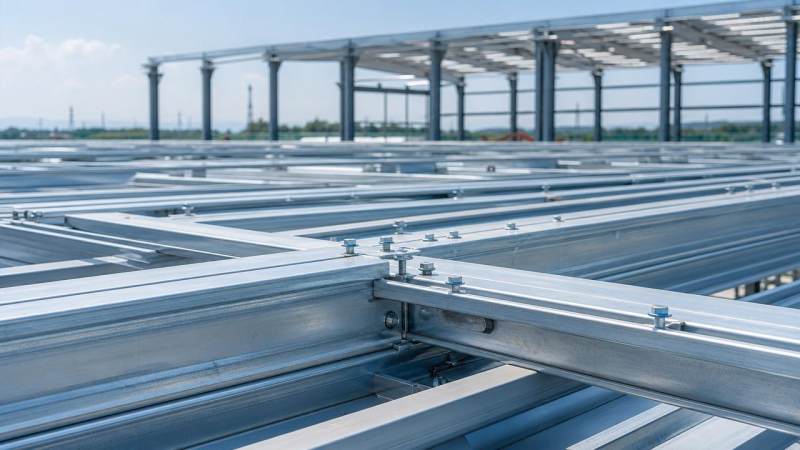
Purlin installation is not only a fastening task. It connects structural design, material quality, logistics, weather, and on-site coordination.
A practical Structural steel purlin quick installation guide should begin with site judgment before lifting any steel member.
Roof span, wind load, cladding type, crane access, and crew experience all change the correct installation sequence.
When these conditions are reviewed early, purlin positioning becomes more accurate and rework risks become easier to control.
Scenario Judgment Before Purlin Installation Starts
Different steel buildings require different purlin installation decisions. A warehouse roof differs from a workshop, canopy, or wall-framing project.
The Structural steel purlin quick installation guide should match each project’s load demand, schedule pressure, and tolerance requirement.
Before installation, confirm drawings, purlin type, spacing, lap length, bolt specification, bracing layout, and coating protection requirements.
Also check whether purlins are Z sections, C sections, hot-rolled profiles, or custom cold formed steel components.
Correct identification prevents mixing similar steel members with different hole patterns, thicknesses, or structural positions.
Key Checks Before Lifting
- Verify delivery labels against erection drawings and packing lists.
- Inspect galvanized coating, straightness, hole accuracy, and end deformation.
- Confirm crane route, temporary storage, and safe working platforms.
- Separate roof purlins, wall girts, bracing rods, and connection accessories.
- Review weather, wind speed, and fall protection before roof work.
Typical Application Scenarios and Core Installation Decisions
Large Warehouse Roofs Requiring Fast Coverage
In warehouse projects, speed is often important because roofing panels, insulation, and internal equipment depend on purlin completion.
This Structural steel purlin quick installation guide recommends staged installation by bay, followed by immediate alignment checks.
Temporary bracing should be installed early, especially before roof sheets lock the frame into its final position.
For wide spans, do not rely on visual alignment alone. Use string lines, laser levels, or total station verification.
Industrial Workshops with Heavy Service Loads
Workshops may include ducts, lighting, cable trays, sprinklers, or suspended maintenance equipment near the roof structure.
The Structural steel purlin quick installation guide should therefore consider secondary loads before final fastening and roof panel installation.
Check whether additional support plates, hangers, or local reinforcement are required by engineering drawings.
Unauthorized drilling on structural steel purlins should be avoided because it may reduce section capacity and coating performance.
Wall Systems Where Straight Lines Affect Cladding Quality
Wall girts and purlin-like members directly affect façade flatness, panel overlap, door openings, and window installation.
For this scenario, the Structural steel purlin quick installation guide emphasizes vertical alignment and consistent offset from the main frame.
Small deviations may become visible after cladding, especially on long elevations or glossy metal wall panels.
Use spacer gauges and line controls to reduce cumulative errors across multiple bays.
Material Matching and Supporting Steel Components
Reliable purlin installation depends on compatible steel components, stable tolerances, and corrosion-resistant surfaces.
For auxiliary structural needs, projects may also use Galvanized Round Steel in related construction or fabrication tasks.
This material can support applications such as building steel structure components, towers, highway protection, marine components, and substation facilities.
Typical specifications include diameter 16–250 mm or customized length, with galvanized and glossy surface appearance.
Its tensile strength range of 570–820 MPa supports demanding fabrication requirements when matched with proper engineering design.
Available processing features may include hot dip galvanizing, cold drawing, straightening, chamfering, ultrasonic control, and surface control.
Standards such as ASTM, EN, JIS, GB, BS, AiSi, and AS help global projects maintain specification consistency.
For purlin-related work, always confirm that each steel component matches design load, exposure condition, and connection requirements.
Different Scenario Requirements for Structural Steel Purlins
A Structural steel purlin quick installation guide becomes more useful when requirements are compared by scenario.
The table below summarizes common field differences and suggested control points.
Quick Installation Steps for Safer Field Execution
This Structural steel purlin quick installation guide recommends a controlled process rather than random member placement.
Each step should be recorded, checked, and approved before the next stage begins.
- Review drawings, material lists, bolt schedules, and installation method statements.
- Unload purlins on level ground with timber supports and weather protection.
- Sort members by roof zone, wall line, span direction, and hole pattern.
- Lift purlins carefully to avoid bending, twisting, or coating damage.
- Install starting members accurately because they control later spacing.
- Add temporary bracing before full tightening where drawings require stability.
- Check overlap, bolt direction, washer seating, and torque requirements.
- Inspect final alignment before roof sheets or wall panels cover the frame.
Scenario Adaptation Advice for Better Installation Quality
A good Structural steel purlin quick installation guide should help crews adapt without ignoring engineering limits.
The following actions support practical decisions across different construction sites.
- For fast-track projects, prefabricate accessories and confirm bolt kits before delivery.
- For corrosive environments, protect cut edges and damaged galvanized surfaces immediately.
- For high wind areas, follow bracing details and avoid incomplete roof zones overnight.
- For cold formed steel purlins, prevent concentrated lifting pressure at unsupported points.
- For export steel buildings, keep mill certificates and inspection records traceable.
Common Misjudgments That Delay Purlin Installation
Many delays happen because small preparation issues become large alignment or fastening problems later.
This Structural steel purlin quick installation guide highlights frequent mistakes that should be avoided.
Ignoring Hole Pattern Differences
Similar-looking purlins may have different punched holes for laps, braces, or special connection points.
Mixing them can cause re-drilling, coating damage, and schedule loss.
Tightening Bolts Too Early
Full tightening before alignment may lock errors into the frame.
Use a staged tightening process until spacing, straightness, and lap positions are confirmed.
Overlooking Coating Damage
Scratches, cut edges, and damaged galvanized layers reduce long-term corrosion resistance.
Repair exposed areas according to project specifications before roofing or cladding hides them.
Using Purlins as Temporary Walkways
Unbraced purlins are not safe working platforms unless temporary access has been properly designed.
Safe access equipment protects workers and prevents accidental deformation of steel members.
Quality Control Points Before Final Handover
Final inspection should cover geometry, connections, coating, documentation, and compatibility with roofing or wall systems.
A Structural steel purlin quick installation guide should include measurable acceptance criteria, not only visual approval.
- Check spacing against drawings at several points across each bay.
- Confirm lap direction and overlap length match the structural design.
- Verify all bolts, nuts, washers, and braces are installed correctly.
- Inspect damaged coatings and repaired surfaces before concealed work begins.
- Record deviations, corrective actions, and approval signatures for traceability.
Working with a Reliable Structural Steel Supplier
Consistent purlin installation begins long before steel reaches the jobsite.
Accurate fabrication, stable tolerances, clear labels, and export-ready packing reduce installation uncertainty.
Hongteng Fengda is a structural steel manufacturer and exporter from China, serving global construction and industrial projects.
The company supplies angle steel, channel steel, steel beams, cold formed profiles, and customized structural steel components.
Production and quality control can support ASTM, EN, JIS, and GB requirements for international steel projects.
Stable capacity, reliable lead times, and professional service help reduce sourcing risks and improve project execution.
Action Steps for Your Next Purlin Installation Project
Use this Structural steel purlin quick installation guide as a practical checklist before procurement, delivery, and site erection.
Start by confirming drawings, standards, coating requirements, purlin specifications, and accessory details with the steel supplier.
Then prepare a site-specific sequence covering unloading, sorting, lifting, alignment, fastening, inspection, and documentation.
For customized structural steel needs, share project drawings, quantities, standards, and delivery schedule for technical review.
A reliable Structural steel purlin quick installation guide, combined with qualified steel components, supports safer work and smoother project completion.
Please give us a message


Please enter what you want to find