Steel rebar for construction plays a vital role in strengthening concrete structures and improving on-site safety and performance. For users and operators, understanding the basic grades, common sizes, and practical site applications of rebar helps reduce errors, improve efficiency, and support better project results. This guide outlines the essentials you need to choose and use rebar with more confidence.
What should users and operators know first about steel rebar for construction?
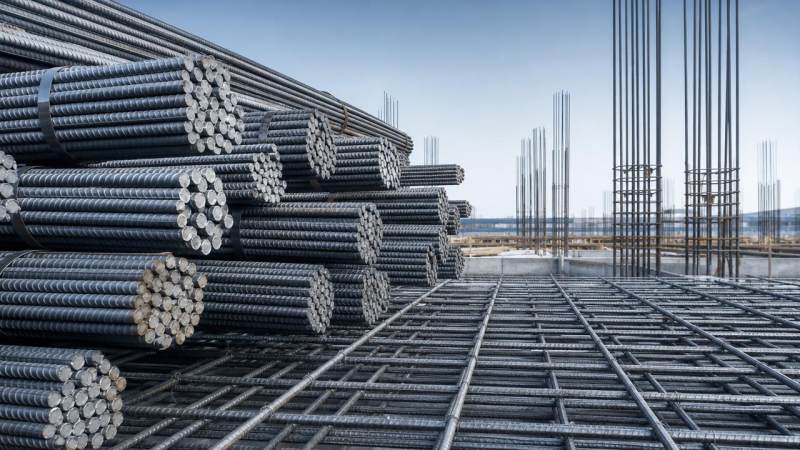
Steel rebar for construction is the reinforcing steel placed inside concrete to improve tensile strength, crack control, and structural stability. Concrete performs well under compression, but it is weaker in tension. Rebar balances that weakness, which is why it is widely used in slabs, beams, columns, walls, footings, retaining structures, roads, bridges, and industrial foundations.
For site users and operators, the main challenge is not only knowing that rebar is required, but knowing which grade, size, spacing, and handling method are suitable for the job. Small mistakes in rebar selection or placement can lead to costly delays, failed inspections, or poor structural performance after concrete pouring.
- Grade affects yield strength, ductility, and compliance with project specifications.
- Bar size affects load capacity, bend radius, lap length, and concrete cover requirements.
- Surface condition and rib pattern affect bond performance between steel and concrete.
- Storage, cutting, bending, and tying practices directly influence final installation quality.
In practical terms, steel rebar for construction should never be treated as a simple commodity item. It is a structural component that must match design load, environmental exposure, standard requirements, and site workflow.
Key grades of steel rebar for construction and what they mean on site
Rebar grades are commonly defined by yield strength and applicable standards. On international projects, users may see ASTM, BS, EN, JIS, or GB references. The exact designation can vary by market, but the site decision remains similar: choose a grade that matches structural design, local code, and fabrication method.
The guide below compares commonly referenced rebar grade categories for field understanding. Actual procurement should always follow the engineer’s schedule and approved material list.
For users and operators, the takeaway is simple: do not substitute one grade for another without approval. A different grade may affect bendability, anchorage length, welding suitability, or inspection acceptance. When projects involve export supply or mixed regional standards, clear mill documentation and specification matching become especially important.
Why deformed bars are preferred in most reinforced concrete work
Most steel rebar for construction uses a deformed surface rather than a plain round surface. The ribs improve mechanical bond with concrete, helping resist slip under load. On active sites, this matters because bond quality influences crack control, anchorage reliability, and long-term service performance.
Common rebar sizes and how to choose the right one
Rebar size selection depends on design load, member thickness, spacing limits, cover requirements, and ease of installation. Operators often focus only on diameter, but field success also depends on whether workers can place, tie, and maintain bar position before and during pouring.
The table below provides a practical reference for common size selection logic in steel rebar for construction. Final sizes must follow structural drawings.
Congestion is a common site problem. When bars are too large or spacing is too tight, concrete may not flow properly around reinforcement, increasing the risk of honeycombing and poor compaction. This is why the best size is not always the biggest size. A balanced arrangement often performs better and installs faster.
A practical size selection checklist
- Check the structural drawing for exact diameter, spacing, shape code, and lap details.
- Confirm the minimum concrete cover based on exposure condition and member type.
- Review whether the chosen size can be bent and placed without damaging formwork or inserts.
- Look at congested zones such as beam-column joints, anchor areas, and wall intersections.
- Verify compatibility with tying wire, chairs, spacers, couplers, and cutting equipment.
Which site applications need different rebar decisions?
Steel rebar for construction is used across many reinforced concrete elements, but site priorities change by application. A slab crew may value speed and spacing control. A foundation team may focus on load transfer and cover. A wall or column team may worry more about vertical alignment, lap positions, and congestion near openings.
Typical application differences
- Slabs: Usually use smaller or medium bars in close spacing. Placement accuracy matters because displaced bars can reduce effective depth.
- Beams: Need proper top and bottom reinforcement, stirrup spacing, and anchorage at supports. Congestion is common near beam-column joints.
- Columns: Vertical bars, ties, and lap regions need strict alignment. Improper tie spacing can affect confinement performance.
- Footings and foundations: Cover and support from the ground are essential. Mud contamination and direct soil contact should be avoided before pour.
- Retaining walls and tanks: Crack control and durability are especially important, so spacing and cover need close inspection.
Many construction projects also combine rebar work with structural steel framing details, embeds, brackets, or support members. In these cases, coordination between concrete reinforcement and steel components helps reduce clashes and rework. For projects that also require framing, bracing, or reinforcement accessories, Angle Steel Supplier solutions may support brackets, bracing components, trim, and reinforcements in construction and engineering applications.
As a practical example, angle steel products are available in carbon steel, stainless steel, and other alloys, with common thickness from 3 mm to 20 mm, lengths such as 5.8 m, 6 m, 9 m, and 12 m, and size ranges from 20*20mm*3mm to 200*200mm*20mm. When operators handle both reinforced concrete and structural support details on one project, aligning material standards such as ASTM, JIS, DIN, GB, bs, and AiSi helps reduce coordination risk.
How to avoid common handling and installation mistakes
Even when the right steel rebar for construction has been procured, site errors can still cause delays and quality problems. Most issues come from poor storage, wrong cutting lengths, incorrect bending, insufficient support, or missing checks before pouring concrete.
Frequent field mistakes
- Mixing grades or diameters in one storage area without clear tagging.
- Allowing bars to sit directly in standing water, mud, or contaminated ground.
- Using field bending methods that damage rib patterns or create uncontrolled bend radii.
- Ignoring required lap length, anchorage, or coupler installation instructions.
- Failing to maintain cover during worker movement and concrete vibration.
Basic site control steps
- Separate rebar bundles by diameter, grade, and drawing mark.
- Use spacers, chairs, and supports suited to slab, beam, wall, or footing conditions.
- Inspect bars before pouring to confirm spacing, tying, cover, cleanliness, and embed coordination.
- Protect partially installed reinforcement from displacement caused by other trades.
- Document material certificates and heat numbers when traceability is required.
What should buyers check when sourcing steel rebar for construction?
Procurement is not only about price per ton. For users and operators, cheap rebar can become expensive if it causes rework, schedule slippage, inspection issues, or unreliable supply. A better sourcing decision looks at specification match, dimensional consistency, mill documentation, packaging, and lead time stability.
The following table helps compare supplier evaluation points for steel rebar for construction and related structural steel packages.
Hongteng Fengda supports buyers who need more than basic material supply. As a structural steel manufacturer and exporter from China, the company provides standard specifications and customized solutions for global construction, industrial, and manufacturing projects. With modern manufacturing facilities and strict quality control, it supports projects that require dependable lead times, compliance with major international standards, and lower sourcing risk across multi-region supply chains.
Standards, compliance, and documentation: what matters most?
When steel rebar for construction is used in export-oriented or code-sensitive projects, documentation becomes part of product quality. Operators often see this at the inspection stage, when missing paperwork can delay acceptance even if the material itself appears correct.
Key documents to confirm
- Material test certificate or mill test report linked to batch or heat number.
- Declared standard reference such as ASTM, EN, JIS, or GB as required by project documents.
- Packing list and bundle marking details for receiving and traceability.
- Any project-specific dimensional, coating, fabrication, or OEM confirmation when applicable.
For buyers combining rebar with angle steel, channel steel, beams, or custom structural parts, unified document control can save time. Instead of managing unrelated vendors with different response speeds, many project teams prefer a supplier that can communicate clearly across product categories and standard systems.
FAQ about steel rebar for construction
How do I choose the right steel rebar for construction if the site has limited space?
Start with the structural drawing, then check congestion points such as joints, laps, corners, and embedded items. In limited space, medium bars with better spacing may work better than fewer oversized bars, because concrete still needs room to flow and compact properly. Always confirm any change with the engineer.
Can rusty rebar still be used?
Light surface rust is often treated differently from heavy scale, oil, mud, or loose corrosion, but acceptance depends on project requirements and inspection judgment. Rebar should be free from contamination that reduces bond or section performance. Proper storage above ground and away from standing water is the best prevention.
What is the most common purchasing mistake?
The most common mistake is buying only by price without checking grade equivalence, dimensional tolerances, lead time reliability, and documentation. Another frequent issue is ordering the right tonnage but the wrong cut lengths or mixed bundle identification, which creates site confusion and waste.
When should I ask for a customized supply solution?
Ask for customization when your project combines reinforced concrete with structural steel supports, non-standard dimensions, staged deliveries, export packing requirements, or multi-standard compliance. This is especially useful for industrial and overseas projects where coordination errors can be expensive.
Why choose us for structural steel coordination and project support?
If your team is comparing steel rebar for construction suppliers alongside other structural steel needs, the right partner should help reduce risk, not add complexity. Hongteng Fengda supplies angle steel, channel steel, steel beams, cold formed steel profiles, and customized structural steel components for global construction and industrial projects, with support for standard specifications and OEM requirements.
You can contact us for practical project support, including parameter confirmation, grade and size selection, matching of ASTM, EN, JIS, or GB requirements, delivery schedule review, customized structural steel solutions, sample support, and quotation discussion for export supply. If your project involves both reinforced concrete work and structural support components, early coordination can help control cost, shorten procurement time, and reduce installation conflicts on site.
Please give us a message


Please enter what you want to find