Using steel rebar for construction correctly on site is critical to concrete strength, structural safety, and long-term project performance. However, many common mistakes happen during unloading, storage, cutting, bending, placement, and tying—often because crews are working under pressure or relying on habits instead of specifications. This guide highlights practical rebar errors that site operators should watch for, helping teams reduce waste, avoid delays, and meet engineering requirements more consistently.
Why Site Handling Determines Rebar Performance
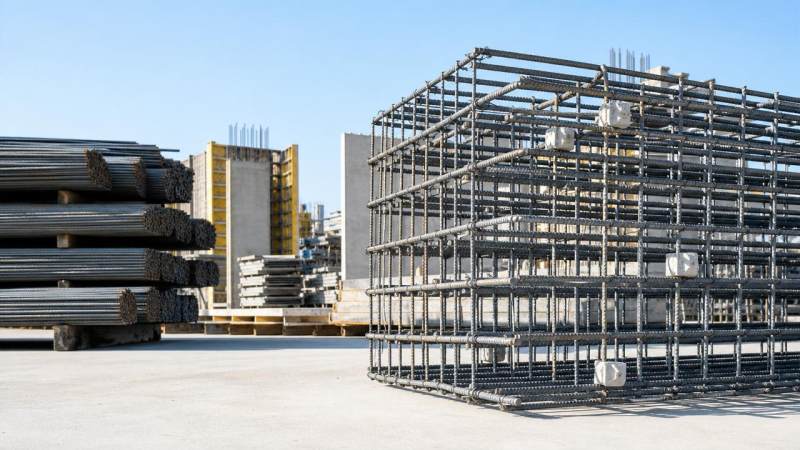
Steel rebar for construction is not only a material delivered to site. It becomes part of the load path inside reinforced concrete.
When operators damage ribs, mix bar sizes, or ignore cover requirements, the problem may not appear until concrete is poured.
By then, correction is expensive. Crews may need to break concrete, rework cages, delay inspection, or negotiate engineering approval.
Common consequences of poor rebar practice
- Reduced bond strength between concrete and reinforcement because ribs are contaminated, damaged, or heavily corroded.
- Incorrect structural capacity when bar diameter, spacing, grade, or lap length does not match approved drawings.
- Inspection failures caused by missing tags, unclear heat numbers, poor storage separation, or incomplete material records.
- Higher waste from repeated cutting, wrong bending, excessive offcuts, and unnecessary replacement of mishandled bars.
For operators, the goal is simple: keep steel rebar for construction identifiable, clean, correctly shaped, and accurately placed before concrete work begins.
Mistake 1: Treating All Delivered Rebar as Interchangeable
A frequent site mistake is assuming bars with similar appearance can be swapped. In reality, diameter, grade, length, and bend schedule matter.
Steel rebar for construction may be supplied according to ASTM, EN, JIS, GB, or project-specific requirements. Operators must follow the approved schedule.
Before unloading, the crew should compare packing lists, bundle tags, drawings, and bar marks. This avoids silent substitution during busy installation.
Receiving checks operators should not skip
The table below summarizes practical receiving checks for steel rebar for construction before bundles enter storage or fabrication zones.
Receiving discipline protects both the operator and contractor. It creates evidence that steel rebar for construction was checked before installation.
Mistake 2: Poor Storage That Causes Contamination and Mix-Ups
On many sites, rebar bundles are placed directly on soil because the next work stage seems close. This habit creates several risks.
Mud, standing water, oil, chloride exposure, and construction debris can affect steel rebar for construction before it reaches the formwork.
Storage should keep bars separated by size, grade, bend shape, and installation area. Clear labeling reduces mistakes during night shifts.
Better storage habits for daily site work
- Place bundles on timber sleepers, steel racks, or raised supports to prevent direct contact with soil and water.
- Separate straight bars, stirrups, links, dowels, and bent bars to avoid accidental selection under schedule pressure.
- Keep bundle tags visible and protected, especially when rain, dust, or forklift movement can remove identification.
- Avoid stacking heavy bundles on smaller bent shapes, because deformation may change clear cover or cage geometry.
If temporary weather exposure is unavoidable, operators should still protect steel rebar for construction from heavy contamination and aggressive chemicals.
Mistake 3: Cutting and Bending Without Respecting Specifications
Cutting errors are costly because short bars cannot always be repaired. Welding or adding pieces is not a casual site decision.
Steel rebar for construction must be cut and bent according to approved drawings, bend radius, hook details, and applicable project rules.
Operators should avoid uncontrolled heating for bending unless the procedure is approved. Heat can change mechanical properties and inspection acceptance.
Practical cutting and bending checklist
- Confirm the bar mark before cutting, not after several identical-looking pieces have been processed.
- Use calibrated bending equipment suitable for the bar diameter and steel grade specified by the project.
- Check the first finished piece against the schedule before producing the full batch.
- Keep offcuts organized by length so they can be reused only where drawings and supervisors allow.
Good fabrication control reduces scrap, improves installation speed, and keeps steel rebar for construction consistent with engineering expectations.
Mistake 4: Incorrect Placement, Cover, Spacing, and Tying
Even correctly supplied rebar can fail site inspection when placement is inaccurate. The most common issues involve cover, spacing, and bar support.
Steel rebar for construction needs adequate concrete cover for corrosion protection, fire resistance, and bond performance in the finished member.
Operators should use approved chairs, spacers, side cover blocks, and tying methods. Improvised supports may move during concrete vibration.
Placement errors and field prevention
Use this site-focused comparison to identify where steel rebar for construction most often loses accuracy before concrete placement.
Placement control is a teamwork issue. Steel fixers, formwork crews, supervisors, and concrete teams must protect installed reinforcement from displacement.
Mistake 5: Ignoring Supporting Steel Products in Complex Site Conditions
Construction sites often use more than rebar. Screens, temporary protection, filtration, guards, and architectural details may require different steel products.
For corrosion-prone or chemical-exposure areas, Stainless Steel Welded Mesh can support applications such as filters, sieves, industrial protection, architecture, and residences.
Available materials include stainless steel wire in SS 201, 304, 304L, 316, 316L, and 430, with plain weave or twill weave options.
When mesh selection matters beside rebar work
Some site teams select accessories late, causing mismatched corrosion resistance or delivery pressure. The table shows useful mesh selection references.
The product offers resistance to rust, corrosion, acid, alkali, heat, and chemical exposure, with custom sizes available for project-specific requirements.
How Operators Can Reduce Rebar Waste and Rework
Waste is not only material loss. With steel rebar for construction, waste also includes labor, crane time, inspection delays, and schedule disruption.
A practical site system should connect procurement, receiving, fabrication, and installation. Operators need clear information at the point of work.
Field workflow that supports correct installation
- Review the latest approved drawings before moving steel rebar for construction from storage to work areas.
- Prepare bar marks, cutting lists, and bending schedules where operators can read them without relying on memory.
- Inspect finished cages for cover, spacing, lap length, anchorage, cleanliness, and tie stability before official inspection.
- Record nonconforming bars immediately and isolate them, instead of leaving them near approved material.
When projects involve repeated floors or similar structural bays, the first completed zone should become the quality benchmark for later work.
Procurement Decisions That Make Site Work Easier
Many site mistakes begin before delivery. If procurement documents are vague, operators must solve problems under pressure during installation.
Steel rebar for construction should be ordered with complete information: standard, grade, diameter, length, tolerance, bundle marking, and documentation needs.
For international projects, buyers should also align shipment timing, port requirements, packing method, and inspection documents with site sequencing.
Procurement checklist for smoother rebar operations
- Specify whether the project requires ASTM, EN, JIS, GB, or another recognized standard before quotation.
- Request consistent bundle labeling so site teams can identify steel rebar for construction without opening every stack.
- Confirm packaging suitable for sea freight, inland transport, unloading equipment, and expected site storage conditions.
- Plan delivery lots according to installation sequence, not only according to the lowest freight cost.
Hongteng Fengda supports global buyers with structural steel products, customized solutions, stable capacity, quality control, and international standard awareness.
Compliance Points Site Teams Should Understand
Operators do not need to be design engineers, but they must understand which site changes require approval before work continues.
Steel rebar for construction is usually controlled by drawings, project specifications, inspection plans, and applicable reinforced concrete standards.
Never change bar diameter, spacing, lap location, hook form, or anchorage length because it “looks close enough” on site.
Changes that usually need confirmation
- Replacing one rebar grade with another, even if the nominal diameter appears identical.
- Moving laps away from specified zones because of congestion around openings, sleeves, or embedded plates.
- Cutting bars to clear mechanical, electrical, or plumbing services without approved structural coordination.
- Welding reinforcement where the project has not confirmed weldability, procedure, and inspection requirements.
A short approval conversation can prevent major rework. Operators should report conflicts early and document the accepted solution.
FAQ: Practical Questions About Steel Rebar for Construction
How much rust is acceptable on rebar?
Light surface rust is often treated differently from heavy scaling, pitting, oil contamination, or loose rust. The project specification controls acceptance.
Operators should not make assumptions. If steel rebar for construction has severe corrosion or contamination, isolate it and request inspection guidance.
Can operators rebend bars after a mistake?
Rebending can weaken reinforcement, especially if the bar was bent tightly or heated improperly. Approval depends on grade, diameter, and project rules.
The safer action is to identify the wrong bend early, mark the bar as nonconforming, and ask whether reuse is permitted.
What should be checked before concrete pouring?
Check cover, spacing, lap length, anchorage, cleanliness, supports, tie stability, openings, embeds, and drawing revisions before concrete trucks arrive.
This final check is critical because steel rebar for construction becomes difficult to verify once concrete placement starts.
How can buyers reduce site confusion before delivery?
Buyers should provide clear standards, specifications, labeling requirements, packing preferences, and delivery schedules during quotation and order confirmation.
Working with a structural steel manufacturer familiar with export documents and project coordination helps reduce avoidable communication gaps.
Why Choose Hongteng Fengda for Structural Steel Supply
Hongteng Fengda is a structural steel manufacturer and exporter from China, serving construction, industrial, and manufacturing projects worldwide.
Our product scope includes angle steel, channel steel, steel beams, cold formed steel profiles, and customized structural steel components.
We support buyers across North America, Europe, the Middle East, and Southeast Asia with production capacity, quality control, and dependable lead times.
Contact us for project-specific steel support
- Confirm material standards such as ASTM, EN, JIS, or GB according to your project requirements.
- Discuss product selection, bar schedules, structural profiles, custom dimensions, and OEM fabrication needs.
- Request quotation support with specifications, packing method, delivery cycle, documentation, and sample requirements.
- Coordinate export supply planning to help reduce sourcing risk and keep site installation moving efficiently.
If your team is sourcing steel rebar for construction or related structural steel products, share drawings, standards, quantities, and schedule targets for review.
Please give us a message


Please enter what you want to find