The Critical Role of Quality Steel Rebar in Construction Safety
Quality steel rebar for construction is the backbone of any safe and durable building project. As a leading structural steel manufacturer, Hongteng Fengda understands the critical importance of compliance with international standards like ASTM, EN, and JIS. This guide explores key quality indicators, testing protocols, and best practices to help construction quality control professionals and safety managers ensure their rebar meets the highest specifications for strength, corrosion resistance, and structural integrity in demanding construction environments.
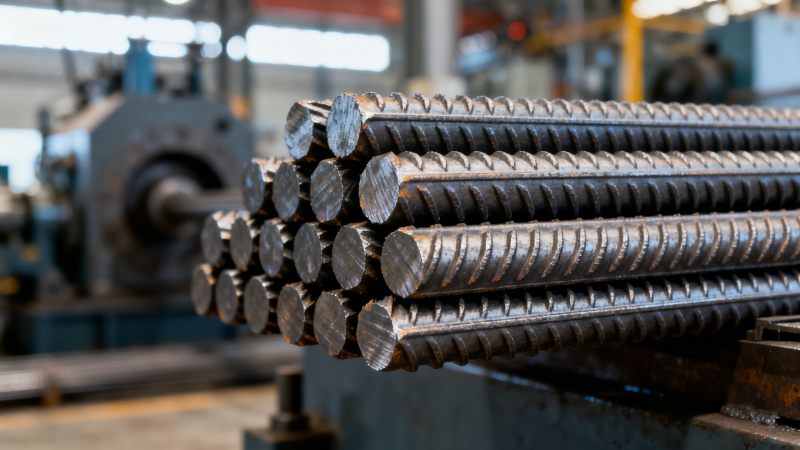
Key Quality Indicators for Construction Rebar
When evaluating steel rebar for construction projects, quality control professionals should focus on three primary indicators: mechanical properties, chemical composition, and dimensional tolerances. These factors directly impact structural performance and compliance with international building codes.
Mechanical properties include yield strength (typically 400-600 MPa for construction-grade rebar), tensile strength (minimum 10% above yield strength), and elongation (minimum 12% for ductility). These values should be verified through third-party testing reports and mill certificates.
Chemical composition affects weldability and corrosion resistance. Carbon content should typically range between 0.25-0.40%, with controlled levels of sulfur (≤0.050%) and phosphorus (≤0.040%). For seismic zones or marine environments, consider low-alloy steel rebar with chromium (0.30-0.60%) for enhanced corrosion protection.
Compliance Testing and Certification Protocols
Implementing rigorous testing protocols is essential for ensuring steel rebar meets project specifications. Quality managers should establish a three-phase verification process: mill testing, third-party certification, and on-site quality control checks.
Standard testing methods include:
- Tensile testing (ASTM E8/E8M or ISO 6892-1)
- Bend testing (ASTM A370 or EN ISO 15630-1)
- Chemical analysis (ASTM E415 or ISO 15350)
- Ultrasonic testing for internal defects (ASTM A1038)
- Corrosion resistance testing (ASTM G109 for chloride environments)
For critical infrastructure projects, additional testing may include fatigue testing (minimum 2 million cycles at 60% of yield strength) and stress corrosion cracking evaluation per NACE TM0177 standards.
Documentation Requirements
Proper documentation ensures traceability and compliance. Each rebar shipment should include:
- Mill test certificates with heat number traceability
- Third-party inspection reports (SGS, BV, or TÜV)
- Material safety data sheets (MSDS)
- Country of origin certificates
- Customs compliance documentation
Corrosion Protection Solutions for Long-Term Durability
Corrosion remains the primary cause of rebar failure in concrete structures. For projects in coastal areas or where de-icing salts are used, consider these protection methods:
Epoxy-coated rebar provides a 0.15-0.30mm protective layer that resists chloride penetration. Fusion-bonded epoxy (FBE) coatings should meet ASTM A934 standards with minimum adhesion strength of 70 MPa and withstand 1,000 hours salt spray testing without blistering.
Galvanized steel offers another corrosion-resistant solution. Hot-dip galvanizing creates a zinc coating of 85-300μm that provides cathodic protection. For related applications, Electrical Conduit Galvanized products demonstrate similar protective properties for electrical systems in harsh environments.
Implementation Best Practices for Quality Assurance
Proper handling and installation significantly impact rebar performance. Follow these field-tested practices to maintain quality from factory to final placement:
Storage and Handling
Store rebar bundles on wooden dunnage at least 150mm above ground, covered with waterproof tarps. Avoid direct contact with soil or standing water that could accelerate corrosion. Use nylon slings instead of steel chains for lifting to prevent surface damage.
Installation Quality Control
Maintain minimum concrete cover of 40mm for standard structures and 75mm for marine exposure. Use plastic or epoxy-coated spacers rather than wire ties that could rust. Verify lap splice lengths meet ACI 318 requirements (typically 30-50 times bar diameter).
Partnering with a Reliable Steel Manufacturer
Selecting the right steel supplier is as critical as specifying proper rebar grades. Hongteng Fengda's structural steel manufacturing expertise ensures compliance with international standards while offering:
- ASTM, EN, JIS, and GB certified production
- Customized rebar solutions for seismic and high-corrosion zones
- Third-party quality verification at every production stage
- Stable supply chain with 30-45 day lead times for standard orders
- Technical support for specification and installation challenges
For construction projects requiring guaranteed material quality and compliance, consult with Hongteng Fengda's engineering team to develop optimized steel solutions that balance performance, durability, and cost-effectiveness.
Please give us a message


Please enter what you want to find