In support and bracing systems, steel metal channel plays a vital role in delivering strength, stability, and easy installation. For operators, builders, and project teams, understanding its practical uses helps improve structural performance while reducing material waste and assembly time. This article explores where steel metal channel is commonly applied, why it matters in modern steel structures, and how the right specification can support safer, more efficient project execution.
Why Steel Metal Channel Matters in Support and Bracing Systems
Steel metal channel is widely used because it balances strength, shape efficiency, and installation convenience in structural steel applications.
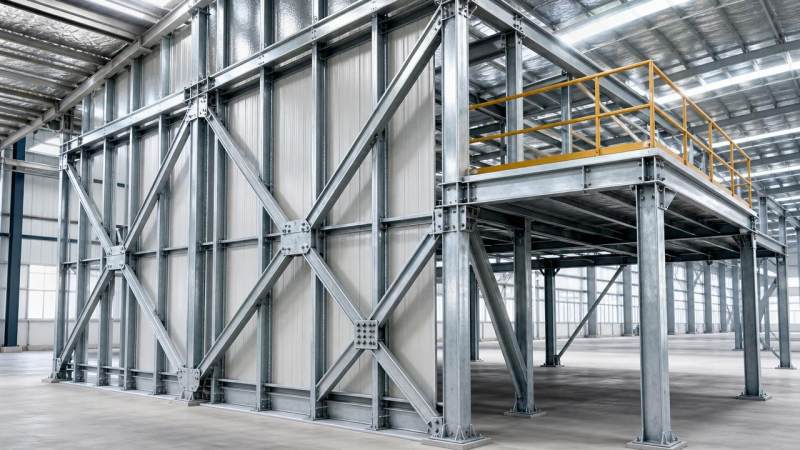
Its open section allows straightforward bolting, welding, and alignment. That makes it practical for frames, restraints, edge members, and secondary steel supports.
Compared with heavier closed sections, a steel metal channel can reduce unnecessary weight while still resisting bending and local support loads.
It also fits many international projects because channel steel is available under ASTM, EN, JIS, and GB standards from reliable global suppliers.
Use This Checklist Before Selecting Steel Metal Channel
A checklist helps prevent oversizing, weak detailing, corrosion problems, and field installation delays. Review these points before finalizing any support layout.
- Confirm the load path first, including vertical load, lateral force, vibration, and connection transfer, so the steel metal channel matches the real structural demand.
- Check span length and unbraced distance, because channel performance changes quickly when intermediate restraints are missing or when eccentric loading develops in service.
- Match section size to connection details, making sure bolt spacing, weld access, and base plate dimensions can be executed without site modification.
- Review steel grade and standard compliance early, especially when the project specification references ASTM, EN, JIS, or GB structural requirements.
- Assess corrosion exposure carefully, then choose painted, galvanized, or stainless-related components where moisture, chemicals, or washdown conditions may reduce service life.
- Verify fabrication tolerances and straightness, since misaligned steel metal channel members can complicate bracing geometry and increase installation time.
- Coordinate with adjacent members such as angle steel, beams, purlins, pipe supports, and cold formed profiles to avoid interference during assembly.
- Plan lifting and handling steps in advance, especially for long channels used in racks, platforms, and industrial support systems.
Common Uses of Steel Metal Channel in Structural Support
Wall Bracing and Frame Restraint
Steel metal channel is often used as horizontal or vertical restraint in wall systems, steel frames, and equipment enclosures.
Its shape makes it easier to connect gusset plates, diagonal members, and cladding support details without excessive fabrication complexity.
Roof Secondary Support
In roof bracing assemblies, channel steel can support purlin lines, edge stiffeners, suspended service routes, and maintenance platform framing.
Where access and retrofit work matter, steel metal channel gives enough openness for faster drilling, fastening, and on-site adjustment.
Platform, Walkway, and Equipment Support
Industrial platforms rely on steel metal channel for toe boards, edge members, stair framing, and lighter support beams around machinery.
It is also useful beneath tanks, ducts, trays, and skids where compact support members must fit within limited equipment clearances.
Pipe and Utility Bracing
Pipe racks and utility corridors frequently use channel sections for brackets, cross supports, and vibration control assemblies.
In corrosive or washdown environments, support systems may combine structural channel members with stainless piping components such as 201 Stainless steel pipe.
That product is available in 201 and 304 grades, with round, square, and rectangular tube options for construction, water treatment, chemical, and equipment applications.
How to Match Steel Metal Channel to Different Project Conditions
Building Structures
For commercial and industrial buildings, steel metal channel is commonly selected for bracing frames, lintel support, façade substructures, and roof edge details.
The key is to balance section depth, thickness, and fastening layout with expected deflection limits and practical site tolerances.
Process and Utility Installations
In plants handling water, chemicals, food processing, or light industrial services, channel sections often support lines, guards, and maintenance structures.
Where related piping needs smooth surface finish, corrosion resistance, and dependable mechanical properties, one complementary option is 201 Stainless steel pipe.
Typical data include tensile strength of at least 520MPa, yield strength of at least 205MPa, and compliance with ASTM, AISI, JIS, GB, DIN, EN, and ISO references.
Export and Multi-Standard Projects
For overseas projects, consistency matters as much as strength. Steel metal channel should be sourced from manufacturers with stable output and clear standard traceability.
A professional structural steel exporter can help coordinate channel steel, angle steel, beams, cold formed profiles, and custom parts under one production plan.
Common Oversights That Reduce Performance
- Ignoring eccentric loading can cause twisting in steel metal channel members, especially when brackets or offsets shift the load away from the web centerline.
- Using thin sections without checking local buckling may save initial weight but can weaken the support under concentrated reaction points.
- Overlooking coating damage during transport and erection can shorten service life in outdoor or humid industrial environments.
- Crowding bolt holes near the ends may reduce connection reliability and create installation problems when tolerances stack up on site.
- Failing to coordinate channel orientation often leads to difficult access for welding, tightening, inspection, and future maintenance work.
Practical Steps for Better Execution
Start with actual service conditions, not only nominal loads. Include movement, moisture exposure, and maintenance access in the early review.
Then prepare a simple coordination sheet covering section size, hole pattern, coating system, connection type, and related steel members.
Request mill standards, dimensional tolerances, and fabrication capability before placing the order, especially for export or mixed-standard projects.
If the project includes custom supports, ask for integrated supply of channel steel with beams, angles, and fabricated components to reduce interface risk.
Conclusion and Next Action
Steel metal channel remains one of the most practical solutions for support and bracing systems across buildings, industrial plants, and utility installations.
When section choice, connection detailing, corrosion protection, and fabrication quality are reviewed through a clear checklist, performance becomes more predictable.
For better results, compare project loads, service conditions, and standard requirements first, then confirm the most suitable steel metal channel specification with a qualified structural steel supplier.
Please give us a message


Please enter what you want to find