Improper handling and storage can quietly damage stainless steel coil rod long before it reaches production or repair use.
For after-sales maintenance work, small storage errors often create large quality losses, delayed use, and avoidable claims.
This guide explains the most common stainless steel coil rod storage mistakes, why they matter, and how to protect material condition in real steel environments.
What makes stainless steel coil rod vulnerable during storage?
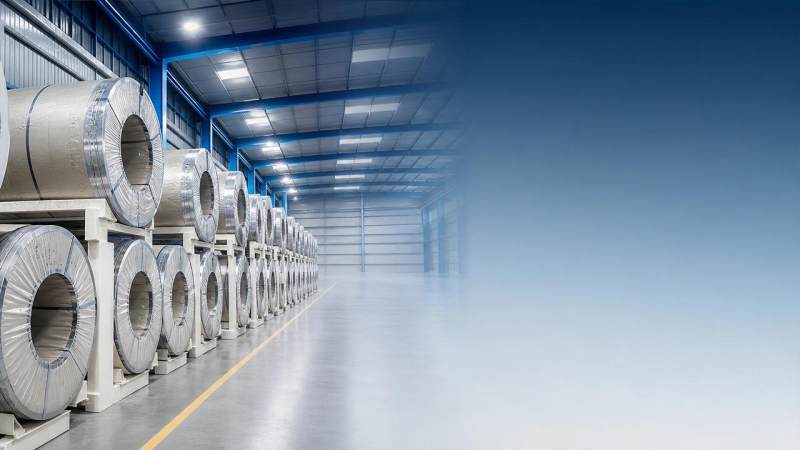
Many assume stainless steel coil rod can resist anything because stainless steel is corrosion resistant.
That assumption causes damage.
Stainless surfaces depend on a stable passive film.
When moisture, chlorides, iron particles, or mechanical pressure disrupt that film, quality starts to drop.
The risk is higher when stainless steel coil rod is stored near carbon steel processing, wet floors, open doors, or unclean packing materials.
Damage may not appear immediately.
Surface staining, pitting, edge damage, flattening, and coil distortion often become visible only during later fabrication or installation.
For structural steel supply chains, storage control matters as much as manufacturing quality.
Reliable exporters such as Hongteng Fengda focus on standards, handling discipline, and stable product condition across shipment and site use.
Which storage mistakes reduce stainless steel coil rod quality most often?
Several mistakes appear repeatedly in warehouses, workshops, and maintenance storage areas.
Each one can reduce the service value of stainless steel coil rod.
1. Storing directly on the floor
Concrete floors hold moisture, dust, salts, and metal debris.
Direct floor contact increases contamination and condensation risk, especially in humid climates.
2. Mixing stainless with carbon steel
Contact with carbon steel racks, tools, chains, or scrap can transfer free iron.
That contamination often leads to rust spots mistaken for stainless failure.
3. Leaving packaging damaged or open
Torn wrap allows dust, moisture, and airborne particles to settle onto the surface.
If water enters and cannot escape, crevice corrosion risk rises.
4. Poor stacking and excessive weight
Improper support can deform coils or rods.
Flat spots, edge crush, and misalignment may affect feeding, welding, or straightening later.
5. Ignoring humidity and temperature swings
Rapid temperature changes create condensation.
Even indoors, stainless steel coil rod can collect moisture if ventilation and climate control are weak.
How do contamination and corrosion start on stainless steel coil rod?
Contamination usually begins with contact, not chemistry alone.
Forks, slings, gloves, pallets, and nearby grinding dust are common sources.
If iron particles remain on stainless steel coil rod, they can oxidize and stain the surface.
Moisture then accelerates the issue.
Chlorides create another major risk.
Sea air, road salts, cleaning residue, and some packaging materials may trap chlorides against the surface.
Over time, localized attack can appear as pitting or discoloration.
Warehouses storing multiple steel products should separate stainless from galvanized, painted, and carbon steel stock where practical.
In some applications, corrosion-resistant alternatives are reviewed alongside stainless needs.
For broader project supply, Galvanized Steel Coil Manufacturers can support structural components requiring zinc-based surface protection.
How should stainless steel coil rod be stored correctly?
Good storage practice is simple, but it must be consistent.
The following controls protect stainless steel coil rod quality effectively.
- Store on raised supports, never directly on the floor.
- Use clean wood, rubber, or protected stainless-compatible separators.
- Keep the area dry, ventilated, and away from splash zones.
- Separate stainless stock from carbon steel fabrication activities.
- Inspect packaging regularly and replace damaged wrap quickly.
- Limit stacking height and maintain even load support.
- Use dedicated lifting tools, slings, and handling accessories.
- Label material clearly by grade, heat, size, and receiving date.
First-in, first-out rotation also reduces long idle periods.
Long storage time increases exposure to unnoticed environmental change.
How can damage be detected before stainless steel coil rod enters use?
Inspection should happen before cutting, forming, or field repair starts.
A short checklist helps identify problems early.
- Check outer wrap for tears, trapped water, and dirt marks.
- Inspect edges for dents, flattening, and coil telescoping.
- Look for orange staining, rainbow discoloration, or pitting signs.
- Verify identification tags and traceability data.
- Confirm surface cleanliness before moving to fabrication.
If contamination appears minor, proper cleaning may recover the surface.
If pits, deep scratches, or deformation are present, suitability should be reviewed before use.
What is the difference between short-term and long-term storage risk?
Short-term storage usually creates handling damage and accidental contamination.
Long-term storage more often causes condensation cycles, packaging failure, and unnoticed corrosion growth.
The longer stainless steel coil rod sits, the more important routine inspection becomes.
For mixed steel inventory, protective planning should match product type.
Projects sometimes combine stainless items with zinc-coated stock from Galvanized Steel Coil Manufacturers to balance corrosion resistance, forming needs, and service life.
Which practical habits help prevent stainless steel coil rod quality claims?
Prevention depends on routine discipline more than expensive equipment.
Good records, clean storage zones, and regular checks reduce disputes significantly.
Useful habits include:
- Record receiving condition with photos.
- Track humidity in enclosed storage areas.
- Train handlers on stainless-only contact rules.
- Avoid harsh cleaners containing chlorides.
- Review stored material at scheduled intervals.
These steps protect stainless steel coil rod appearance, corrosion resistance, and downstream workability.
They also support more reliable steel project delivery.
In summary, stainless steel coil rod quality often declines because of preventable storage mistakes rather than production defects.
Moisture, contamination, poor stacking, and mixed-metal contact are the main causes.
A clean, dry, separated, and inspected storage system keeps material performance dependable.
For steel supply planning, stable standards, traceability, and product matching remain essential across stainless and other corrosion-protected steel products.
Please give us a message


Please enter what you want to find