Corrosion-resistant rebar for retaining walls is critical for long-term structural integrity. As a leading structural steel manufacturer, Hongteng Fengda provides high-quality rebar solutions that meet international standards (ASTM, EN, JIS) to prevent rust and deterioration in retaining wall applications. Our technical guide explores proven anti-corrosion methods including proper material selection, protective coatings, and installation best practices for engineers and construction professionals evaluating retaining wall reinforcement options.
Why Is Corrosion a Major Concern for Rebar in Retaining Walls?
Retaining walls are constantly exposed to moisture, soil chemicals, and temperature fluctuations, making rebar corrosion a leading cause of structural failure. Studies show that corrosion can reduce rebar's load-bearing capacity by 30-50% within 10-15 years in aggressive environments. The expansion of rust (up to 6 times the original volume) creates internal stresses that crack concrete, accelerating deterioration.
Key corrosion triggers include:
- Chloride penetration from de-icing salts or marine environments
- Carbonation reducing concrete's alkalinity (pH below 9)
- Stray electrical currents in urban infrastructure
- Microbial activity in waterlogged soils
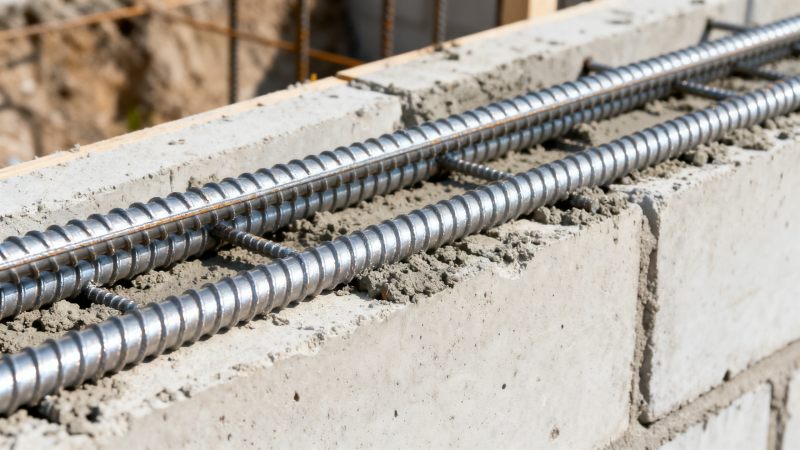
What Are the Most Effective Anti-Corrosion Methods for Retaining Wall Rebar?
Modern corrosion protection combines material science and engineering practices:
1. Material Selection
Stainless steel rebar (grades 316 or 2205) offers superior protection but at higher cost. For budget-conscious projects, epoxy-coated or galvanized rebar provides 2-4 times longer service life than standard carbon steel. 430 Stainless Steel Plate demonstrates how specialized steel alloys balance cost and performance, with its good corrosion resistance and formability characteristics making it suitable for various structural applications.
2. Protective Systems
How Does Proper Installation Affect Rebar Corrosion Resistance?
Even high-quality rebar can fail prematurely if installed incorrectly. Critical installation factors include:
- Concrete Cover: Minimum 50mm cover in aggressive environments (per EN 1992-1-1)
- Spacing: Maintain 25-40mm gaps between bars for proper concrete flow
- Handling: Avoid damaging protective coatings during transport/placement
- Curing: 7-day moist curing prevents early-age cracking
What Are Common Mistakes in Selecting Rebar for Retaining Walls?
Technical evaluators should avoid these frequent errors:
How Can Hongteng Fengda Support Your Retaining Wall Projects?
As an ISO-certified structural steel manufacturer, we provide:
- ASTM A615/A706 compliant rebar with optional protective coatings
- Custom fabrication for complex retaining wall geometries
- Technical support for material selection based on project environment
- Strict quality control including salt spray testing for coated products
For engineers requiring corrosion-resistant solutions, we recommend discussing:
- Project location and environmental exposure factors
- Required design life (30/50/100+ years)
- Budget constraints vs. lifecycle cost considerations
- Local construction practices and installation capabilities
Contact our technical team to evaluate the optimal rebar solution for your specific retaining wall application, balancing performance, durability, and cost-effectiveness.
Please give us a message


Please enter what you want to find