When designing load-bearing columns, selecting the right rebar for column applications is critical for structural integrity and safety. As a leading structural steel manufacturer, Hongteng Fengda provides high-quality reinforcement bars that meet international standards like ASTM and EN. Our rebar solutions ensure optimal load distribution, seismic resistance, and durability for vertical support structures. Discover how our technical specifications and material properties can enhance your construction projects while meeting rigorous engineering requirements.
Why Rebar Selection Varies Across Column Applications
The performance requirements for rebar in columns differ significantly based on structural loads, environmental conditions, and project specifications. For instance, a high-rise building in seismic zones demands rebar with superior ductility (minimum 14% elongation) and yield strength (typically 500 MPa or higher), while industrial warehouses may prioritize cost-efficiency with standard-grade reinforcement. Hongteng Fengda's rebar for column solutions adapt to these variables through:
- Material customization (carbon steel, epoxy-coated, or stainless steel)
- Diameter range from 6mm to 40mm
- Rib pattern optimization for enhanced concrete bonding
- Certified seismic performance (EN 1998-1 compliance)
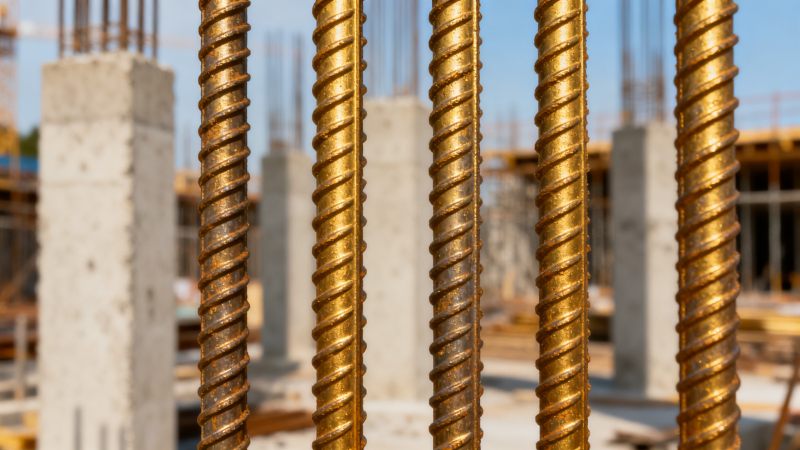
Key Scenarios for Rebar in Column Construction
1. High-Rise Building Cores
In skyscraper construction, rebar for columns must withstand both vertical loads (often exceeding 10,000 kN/m²) and lateral wind forces. Our ASTM A615 Grade 60 rebar provides the necessary 620 MPa tensile strength with controlled rib geometry that improves concrete confinement by 15-20% compared to conventional patterns. Critical parameters include:
2. Industrial Heavy-Load Columns
Manufacturing plants and warehouses require columns that sustain concentrated loads from cranes and heavy equipment. Our H-beam reinforced columns combine high-strength rebar (ASTM A706) with optimized spacing patterns that increase load capacity by 25-30% versus conventional designs. The H-beam's flange width (50-400mm) and web thickness (5-36.5mm) provide exceptional stability for:
- Overhead crane runways (up to 50-ton capacity)
- Heavy machinery foundations
- Multi-level storage systems
3. Coastal & Chemical Environment Structures
Columns in marine or chemical processing facilities need corrosion-resistant rebar that maintains structural integrity despite chloride exposure. Our 316L stainless steel rebar demonstrates less than 0.1mm/year corrosion rate in salt spray tests (ASTM B117), outperforming epoxy-coated alternatives by 3-5x in lifespan. Critical specifications include:
Technical Considerations for Column Rebar Selection
Beyond material selection, proper rebar implementation requires attention to:
- Lap Splice Length: Varies from 30-50 times bar diameter based on concrete strength (typically 40d for 35MPa concrete)
- Confinement Reinforcement: Spiral or tie spacing ≤6× longitudinal bar diameter in seismic zones
- Cover Thickness: Minimum 40mm for exterior columns in moderate exposure conditions (EN 1992-1-1)
Why Partner with Hongteng Fengda for Column Rebar Solutions
With 15+ years specializing in structural steel, we deliver rebar for column applications that combines:
- Dual-certified materials (ASTM + EN standards)
- Custom bending and cutting services (±2mm tolerance)
- Batch traceability with mill test certificates
- 30-day lead time for standard specifications
Contact our engineering team to discuss your project's specific column reinforcement requirements, including:
- Load calculations and seismic design category
- Corrosion protection strategy
- Connection details with beams and foundations
- Certification documentation needs
Please give us a message


Please enter what you want to find