The Evolving Standards for Rebar in Beam Construction
Selecting the right rebar for beam construction is critical for ensuring structural integrity and long-term performance. As a leading structural steel manufacturer, Hongteng Fengda provides technical guidance on rebar specifications, grade selection, and placement techniques to meet international standards. This article helps technical evaluators make informed decisions when choosing rebar for beams, considering load requirements, environmental factors, and project specifications.
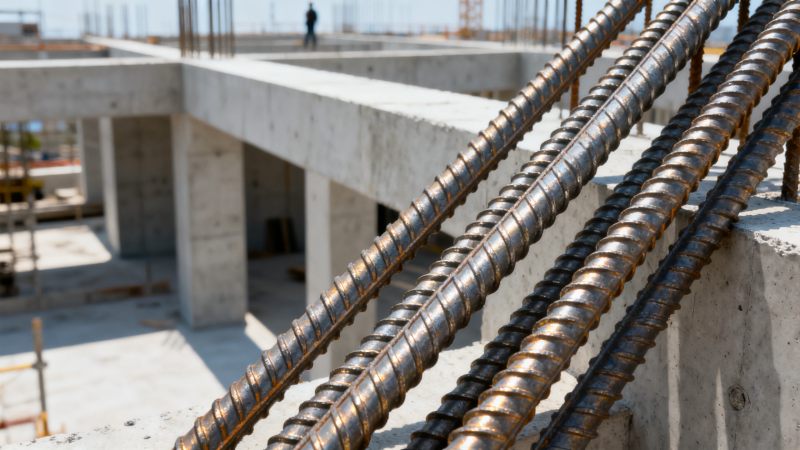
1. Rising Demand for High-Performance Rebar in Modern Construction
Global infrastructure projects increasingly require rebar that exceeds traditional performance thresholds. Recent data shows a 17% annual growth in demand for high-strength rebar (Grade 500 and above) for beam applications, driven by:
- Taller building designs with longer beam spans (typically 12-18m in commercial structures)
- Seismic zone construction requirements (up to 8% higher ductility demands)
- Corrosion resistance needs in coastal areas (extending service life by 25-30 years)
The shift toward performance-based design codes (like Eurocode 2 and ACI 318-19) now mandates stricter verification of rebar properties before beam fabrication begins.
2. Key Selection Criteria for Beam Reinforcement
Technical evaluators must consider multiple interdependent factors when specifying rebar for beams:
For specialized applications like curved beams or cantilever structures, 316 Stainless Square steel rod offers superior corrosion resistance with tensile strength ≥520 MPa and elongation ≥55-60%, making it suitable for harsh environments while maintaining structural integrity.
2.1 Environmental Considerations
Corrosion remains the leading cause of premature beam failure, accounting for 42% of structural rehabilitation cases. Modern solutions include:
- Epoxy-coated rebar (minimum 200μm coating thickness)
- Stainless steel cladding (1.5-2mm overlay)
- Micro-alloyed corrosion-resistant steels (adding 0.5-1.2% chromium)
3. Emerging Technologies in Beam Reinforcement
Three innovations are reshaping rebar selection practices:
- Smart Rebar Systems: Embedded sensors monitor strain (up to 5,000με range) and corrosion rates (0.1-2mm/year resolution)
- High-Performance Fiber-Reinforced Rebar: Hybrid designs combining steel with basalt fibers (18-24% weight reduction)
- Automated Placement Systems: Robotic bending achieves ±1mm accuracy versus manual ±5mm tolerance
These advancements require updated quality verification protocols, particularly for:
4. Why Partner with Hongteng Fengda for Beam Reinforcement
As a certified structural steel manufacturer, we provide:
- Multi-standard compliance (ASTM A615, BS 4449, GB/T 1499.2)
- Custom bend configurations (up to 180° with 2D-5D bend radii)
- Traceability from mill test certificates to final placement drawings
For technical evaluators specifying rebar for critical beam applications, we recommend discussing:
- Project-specific seismic requirements (Zone 2-4 per IBC)
- Fire resistance duration needs (60/90/120 minutes)
- Special corrosion protection measures
Contact our engineering team for beam reinforcement solutions that combine structural integrity with cost efficiency across all project phases.
Please give us a message


Please enter what you want to find