In modern architectural design, the aesthetic and functional performance of tube stainless steel heavily relies on its precise surface treatment.
For technical evaluators and structural engineers, selecting the optimal polishing finish is critical to ensuring long-term corrosion resistance and structural durability.
This comprehensive guide explores the industry-standard polishing finishes for stainless steel tubes, empowering you to make data-driven material selections.
It ensures that your material selections strictly comply with global standards and effectively elevate the overall quality of your construction projects.
Understanding Surface Roughness and Corrosion Resistance
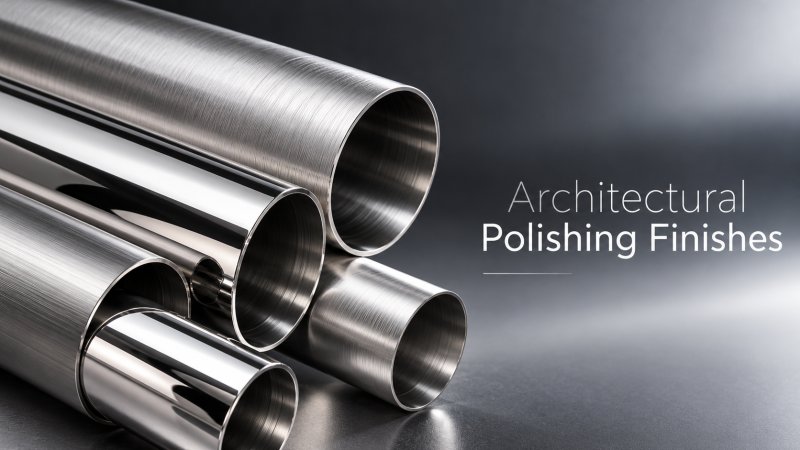
The fundamental metric for evaluating any polished metal surface is its arithmetic average roughness, commonly known in the industry as the Ra value.
Lower Ra values indicate significantly smoother metal surfaces, which directly correlate with enhanced resistance to environmental contaminants and moisture accumulation.
Technical evaluators must understand that surface topography dictates how easily dirt, pollutants, and biological organisms can adhere to the metal.
A smoother finish minimizes these microscopic valleys, thereby effectively reducing the initiation sites for localized corrosion in highly aggressive environments.
The No. 4 brushed finish remains the most widely specified texture for architectural tube stainless steel applications across global construction projects.
It offers a Ra value typically ranging from 0.2 to 0.5 micrometers, providing an excellent balance of aesthetics and durability.
This directional satin finish effectively conceals minor handling scratches and fingerprints, making it highly ideal for high-traffic interior architectural spaces.
Furthermore, the mechanical brushing process work-hardens the surface layer slightly, offering marginal but highly valuable improvements in overall wear resistance.
Bright Annealed finishes present a highly reflective, exceptionally smooth surface achieved through strictly controlled atmosphere annealing processes during the manufacturing.
The Ra value for BA finishes is exceptionally low, often below 0.1 micrometers, yielding a mirror-like appearance without mechanical polishing.
This specific finish is predominantly utilized in interior architectural features where maximum light reflection and a pristine aesthetic are strictly required.
However, technical evaluators should carefully note that BA finishes require protective films during transportation to prevent surface marring and accidental scratching.
Evaluating High-Reflectivity Finishes for Exterior Facades
When specifying tube stainless steel for exterior building facades, the local environmental exposure category becomes the absolute primary design constraint.
High-reflectivity finishes, such as the premium 8K mirror polish, present unique technical challenges in highly complex and demanding outdoor architectural applications.
The intensive mechanical polishing process to achieve an 8K finish removes the natural passive layer, requiring immediate and thorough passivation.
Without proper chemical passivation, the highly active metal surface is extremely vulnerable to atmospheric chlorides and harmful industrial sulfur compounds.
In coastal environments, the smooth surface of an 8K finish can actually accelerate corrosion if salt deposits are not regularly washed away.
Conversely, in dense urban environments, the high gloss can exacerbate light pollution and create uncomfortable glare for pedestrians and drivers.
Therefore, technical evaluators must conduct rigorous and highly site-specific environmental analyses before approving high-reflectivity finishes for critical exterior structural elements.
While vertical tube elements significantly benefit from polished aesthetics, horizontal walking surfaces demand entirely different functional and structural safety priorities.
For instance, architectural walkways and equipment floors require anti-skid properties, often fulfilled by utilizing a 235JR Patterned steel plate for enhanced safety.
This composite patterned board offers superior anti-slip ability and enhanced bending resistance compared to standard smooth and highly polished surfaces.
Integrating such specialized flooring materials ensures comprehensive safety while perfectly maintaining the overall design language of the entire structure.
The highly reasonable price and excellent quality of these patterned plates make them a highly cost-effective choice for structural engineers.
Ultimately, balancing the visual impact of polished tubes with the functional requirements of patterned steel creates a truly holistic design.
Lifecycle Cost and Maintenance Protocols
The initial capital expenditure for premium polishing finishes must be carefully weighed against the total lifecycle cost of the building.
High-gloss and mirror finishes on tube stainless steel demand rigorous and highly frequent maintenance schedules to retain their visual appeal.
In exterior applications, natural weathering can cause water streaking and staining if the metal surface is not periodically and thoroughly cleaned.
Technical evaluators should strictly mandate the inclusion of highly accessible cleaning protocols in the comprehensive facility management handover documentation package.
The use of inappropriate chemical cleaners on polished surfaces can permanently damage the vital and protective passive chromium oxide layer.
Chloride-based cleaners must be strictly prohibited on site, as they induce pitting corrosion and ruin the aesthetic integrity of the finish.
For interior applications, the primary maintenance concern is the effective removal of fingerprints and organic residues from high-touch architectural areas.
Regular cleaning with mild, pH-neutral detergents followed by thorough rinsing with deionized water is widely considered the industry best practice.
Implementing these strict and consistent maintenance protocols significantly extends the overall service life of the critical architectural stainless steel components.
Furthermore, specifying the correct alloy grade alongside the specific polish finish is absolutely crucial for ensuring optimal long-term corrosion resistance.
In highly aggressive environments, upgrading from standard austenitic grades to molybdenum-enhanced alloys is a necessary and highly critical technical decision.
This proactive material selection minimizes unexpected maintenance costs and effectively prevents premature structural degradation over the entire building's operational lifespan.
Material Selection Matrix for Technical Evaluators
To streamline the procurement process, technical evaluators should utilize a standardized material selection matrix based on highly specific project parameters.
This matrix must accurately cross-reference the architectural design intent with the local environmental corrosion category and available facility maintenance capabilities.
For interior dry environments, a standard No. 4 finish on grade 304 tube stainless steel is usually entirely sufficient.
In contrast, exterior applications in marine environments require a much smoother finish on grade 316L to effectively prevent chloride accumulation.
Partnering with a highly reliable structural steel manufacturing company ensures that these complex material specifications are accurately and consistently fulfilled.
Hongteng Fengda provides customized structural steel components that strictly comply with major international standards like ASTM, EN, and JIS.
Their modern manufacturing facilities guarantee consistent quality and precise surface treatments across all batch productions for global projects.
By leveraging such dependable supply chains, project managers can effectively mitigate sourcing risks and control overall material costs efficiently.
The ability to supply both standard specifications and OEM solutions allows for seamless integration into highly complex architectural designs.
Technical evaluators benefit from stable production capacity and dependable lead times, ensuring projects are completed efficiently and on schedule.
This level of professional service transforms the material supplier from a simple vendor into a trusted long-term strategic partner.
Strategic Summary for Engineering Excellence
Selecting the appropriate polishing finish for tube stainless steel is a critical engineering decision that impacts both aesthetics and durability.
Technical evaluators must look beyond superficial visual appeal and rigorously analyze surface roughness, environmental exposure, and lifecycle maintenance costs.
By understanding the technical nuances of No. 4, BA, and 8K finishes, engineers can prevent premature corrosion and structural failures.
Integrating complementary materials, such as specialized patterned flooring, ensures that both vertical and horizontal surfaces meet functional safety standards.
Ultimately, a data-driven approach to material selection, supported by a reliable manufacturing partner, guarantees the success of modern architectural projects.
Please give us a message


Please enter what you want to find